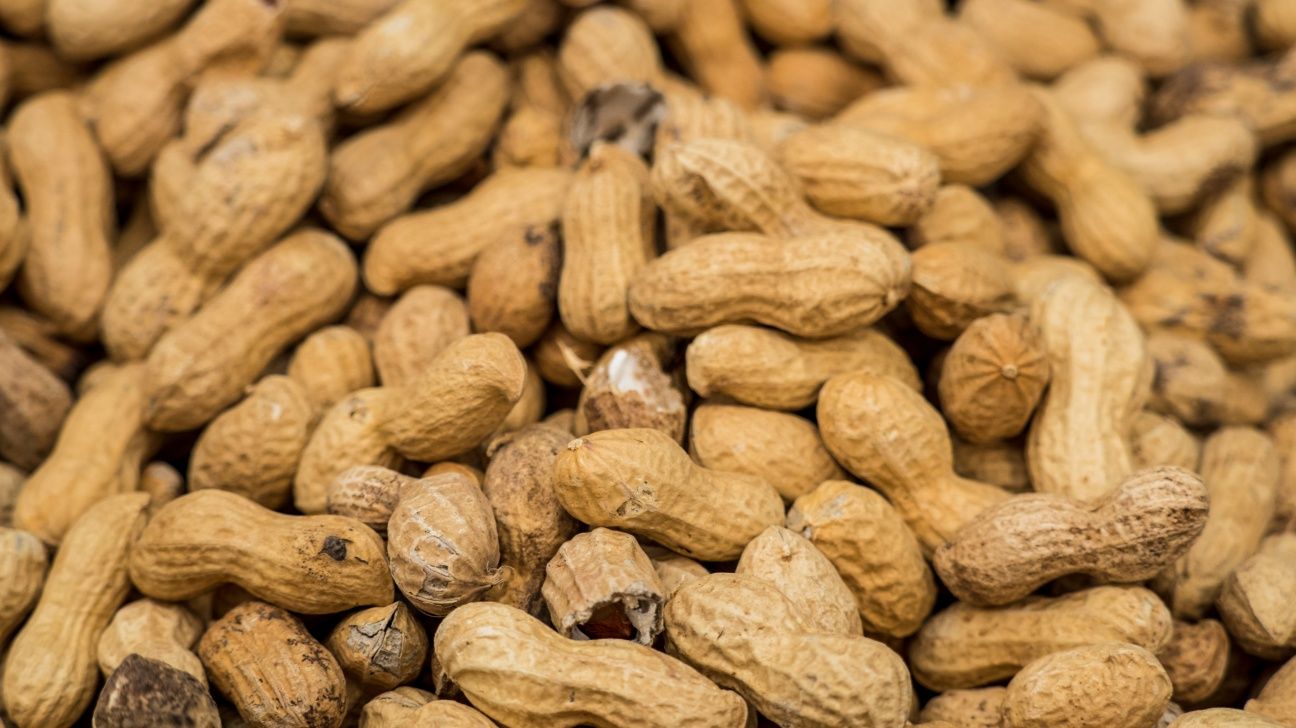
Fecal Microbiota Transplantation Increases Peanut Threshold in 6 of 15 Adults in Open-Label Phase 1 Trial
Early-phase data indicate FMT can raise peanut tolerance in a subset of adults via Treg and bile acid changes, yet the small uncontrolled design leaves efficacy and generalizability unresolved. Next trials require randomization, longer follow-up, and mechanistic confirmation in humans.
Mechanistic data point to bile acid signaling as a plausible pathway, consistent with observational cohorts linking low secondary bile acids to higher IgE-mediated food allergy prevalence. Larger, placebo-controlled trials must confirm durability beyond four months, identify predictive donor-recipient microbial matches, and test whether purified consortia or bile acid modulators can reproduce the effect without whole-stool administration.
Rachid et al.: A randomized placebo-controlled phase 2 trial of 80 participants will report sustained tolerance (≥300 mg peanut protein) in ≥35% of FMT recipients versus <10% placebo at 12 months.
Sources (2)
- [1]Primary Source(https://www.science.org/doi/10.1126/scitranslmed.adk7116)
- [2]Supporting Source(https://www.nejm.org/doi/10.1056/NEJMra2205276)