FCC Expands Covered List to Foreign Robotic Devices: National Security Pretext Meets Consumer Privacy Realities
FCC’s 2026 Covered List expansion restricts new foreign robotic devices including vacuums on national security grounds; corroborated across official and major tech/policy outlets, highlighting privacy, protectionism, and consumer choice tensions.
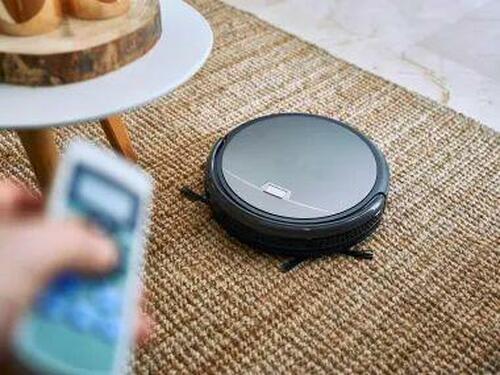
The Federal Communications Commission’s July 28, 2026, update to its Covered List added foreign-produced “advanced robotic devices”—defined as mobile ground robots over 4.4 pounds with environmental sensors, wireless connectivity, and autonomous or remote operation—to the roster of equipment posing unacceptable national security risks. This bars new models from FCC equipment authorization required for U.S. import, marketing, or sale, while leaving existing authorized devices unaffected. Official FCC documents and interagency determinations cite supply-chain vulnerabilities, potential data exfiltration, remote manipulation, and surveillance risks from devices capable of mapping homes or critical infrastructure. The rule applies to products from any foreign country, not solely China, though Chinese manufacturers dominate categories like humanoid robots, quadrupeds, and robot vacuums. Multiple outlets, including The Verge, WIRED, Ars Technica, and Consumer Reports, confirmed that the broad definition sweeps in household items such as robotic vacuums, mowers, pool cleaners, and warehouse robots. A prior Verge investigation highlighted real vulnerabilities, such as a flaw in certain DJI Romo vacuums exposing maps, locations, and camera feeds from thousands of units. The policy echoes earlier Covered List expansions targeting routers and drones, framed by FCC Chairman Brendan Carr as aligning with executive branch national security priorities under the Secure and Trusted Communications Networks Act. Critics, including analyses from the Mises Institute, argue the measure prioritizes origin over verifiable security practices—domestic assembly does not inherently ensure encryption, auditing, or minimal data retention. This raises questions about consumer sovereignty in IoT ecosystems, where sensor-rich devices already feed data into surveillance capitalism frameworks. Broader implications include potential acceleration of U.S. manufacturing incentives, reduced access to affordable foreign models, and incentives for companies to pursue conditional approvals via Department of War reviews. Exemptions for medical devices, vehicles, and fixed industrial robots underscore the policy’s targeted yet expansive scope. The distinction between existing and future devices mitigates immediate consumer harm but signals a regulatory shift toward supply-chain localization amid escalating tech-geopolitical tensions.
[LIMINAL]: The policy may catalyze domestic robotics innovation and stricter data-localization standards while constraining consumer options and embedding origin-based risk assessments into everyday IoT adoption.
Sources (6)
- [1]FACT SHEET: FCC Updates Covered List to Include Foreign-Produced Advanced Robotic Devices and Power Inverters(https://www.fcc.gov/supplychain/coveredlist)
- [2]United States Bans Chinese Humanoid And Quadruped Robots, Citing National Security(https://www.forbes.com/sites/johnkoetsier/2026/07/28/united-states-bans-chinese-humanoid--quadruped-robots-citing-national-security/)
- [3]The US government just banned Roombas(https://www.theverge.com/policy/972312/us-robot-ban-sweep-up-chinese-vacuums)
- [4]How the FCC’s New Rule Will Affect Robot Vacuums(https://www.wired.com/story/the-fcc-is-coming-for-robot-vacuums/)
- [5]What FCC Ban on Foreign-Made Robot Vacuums Means(https://www.consumerreports.org/appliances/vacuum-cleaners/foreign-made-robot-vacuums-fcc-ban-a9842224597/)
- [6]Who wins and who loses after US bans foreign robots?(https://arstechnica.com/ai/2026/07/who-wins-and-who-loses-after-us-bans-foreign-robots/)