US Tanker Strike in Gulf of Oman Exposes Fragile Energy Chokepoint Dynamics
US direct strike on Marivex escalates Hormuz chokepoint risks, with seven ships disabled since April revealing overlooked patterns of potential Iranian retaliation and oil market exposure beyond initial reporting.
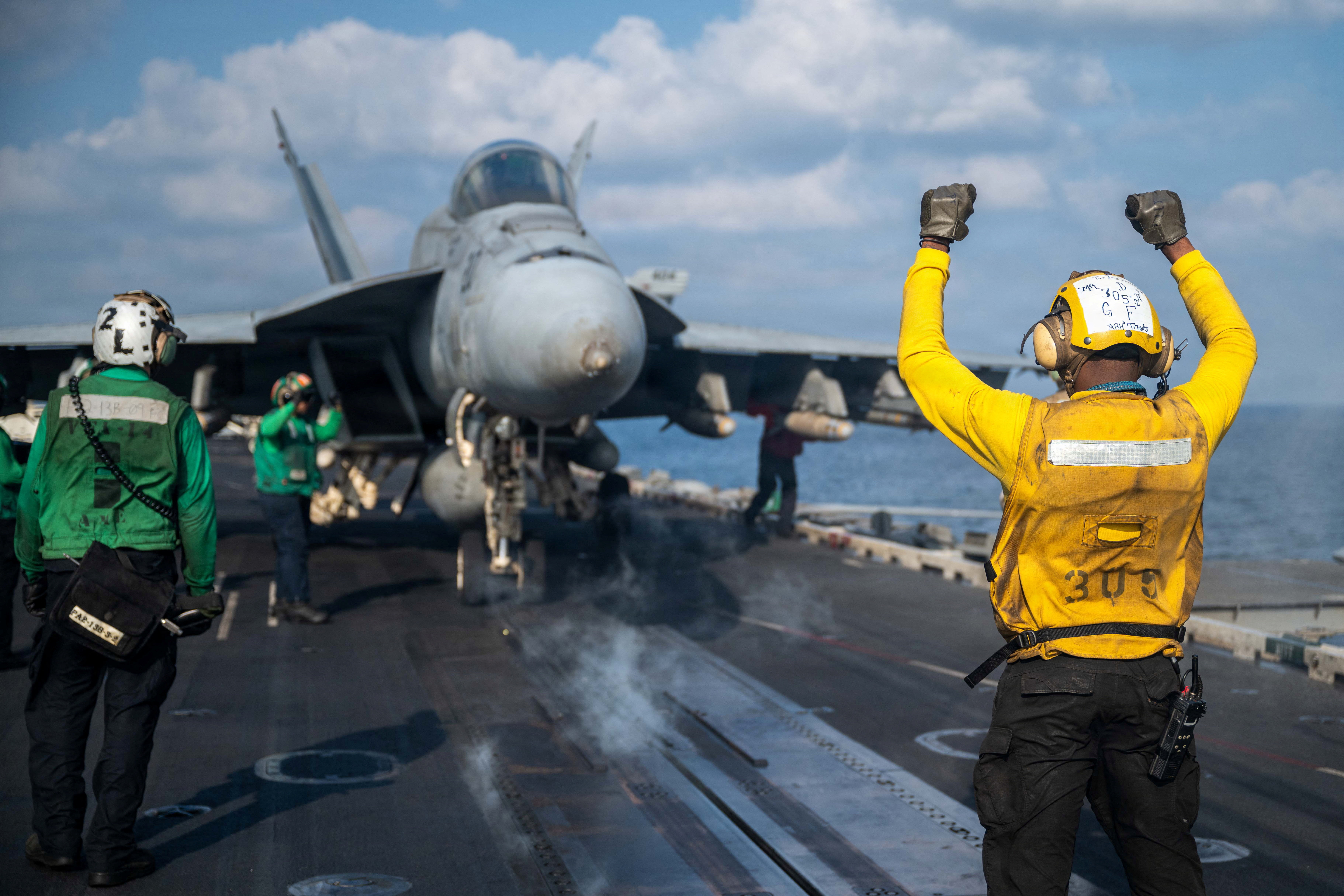
The June 8 disabling of the Palau-flagged M/T Marivex by an F/A-18 Super Hornet from the USS Abraham Lincoln marks the seventh such enforcement action since the US launched its naval blockade on April 13. While the Defense News report frames this as routine compliance operations, it underplays the cumulative pressure on the Strait of Hormuz, through which roughly 21 percent of global petroleum liquids transit daily. This direct kinetic action against a vessel in international waters signals a departure from prior shadowboxing with Iranian proxies and echoes the 1980s Tanker War, where US forces similarly targeted non-compliant shipping to protect oil flows. Analysis from the Center for Strategic and International Studies notes that repeated interdictions risk Iranian countermoves such as asymmetric mining or Revolutionary Guard speedboat swarms, patterns observed in 2019 attacks on Saudi tankers. The original coverage also overlooks downstream effects on Asian importers, with data from the International Energy Agency showing China and India absorbing over 60 percent of Hormuz crude; sustained disruptions could spike Brent prices beyond the $90 threshold not seen since the 2022 Ukraine shock. Unlike abstract debates over sanctions, these chokepoint strikes introduce immediate supply-chain fragility that markets have yet to price fully. Seven disabled vessels plus over 100 redirected ones indicate a tightening noose that may force Tehran toward either capitulation or escalation ladders involving Hezbollah or Houthis, amplifying global energy volatility.
SENTINEL: Repeated tanker interdictions in the Gulf of Oman are shifting the confrontation from sanctions to physical control of energy routes, raising odds of Iranian asymmetric responses that could cut 20% of global oil transit.
Sources (3)
- [1]Primary Source(https://www.defensenews.com/flashpoints/2026/06/08/us-navy-fa-18-super-hornet-strikes-disables-oil-tanker-in-gulf-of-oman/)
- [2]Related Source(https://www.csis.org/analysis/iran-and-strait-hormuz)
- [3]Related Source(https://www.iea.org/reports/oil-market-report-june-2026)