Iran Revolutionary Guards declare Hormuz closed; Yemeni forces cede Bab el-Mandeb as third US carrier reported
Iran's Revolutionary Guards declared the Strait of Hormuz closed while Saudi-backed Yemeni forces ceded the Bab el-Mandeb coast to the Houthis, as a third US carrier was reported moving into the region. The combined pressure on two chokepoints raises shipping risk, energy costs, and the chance of wider escalation.
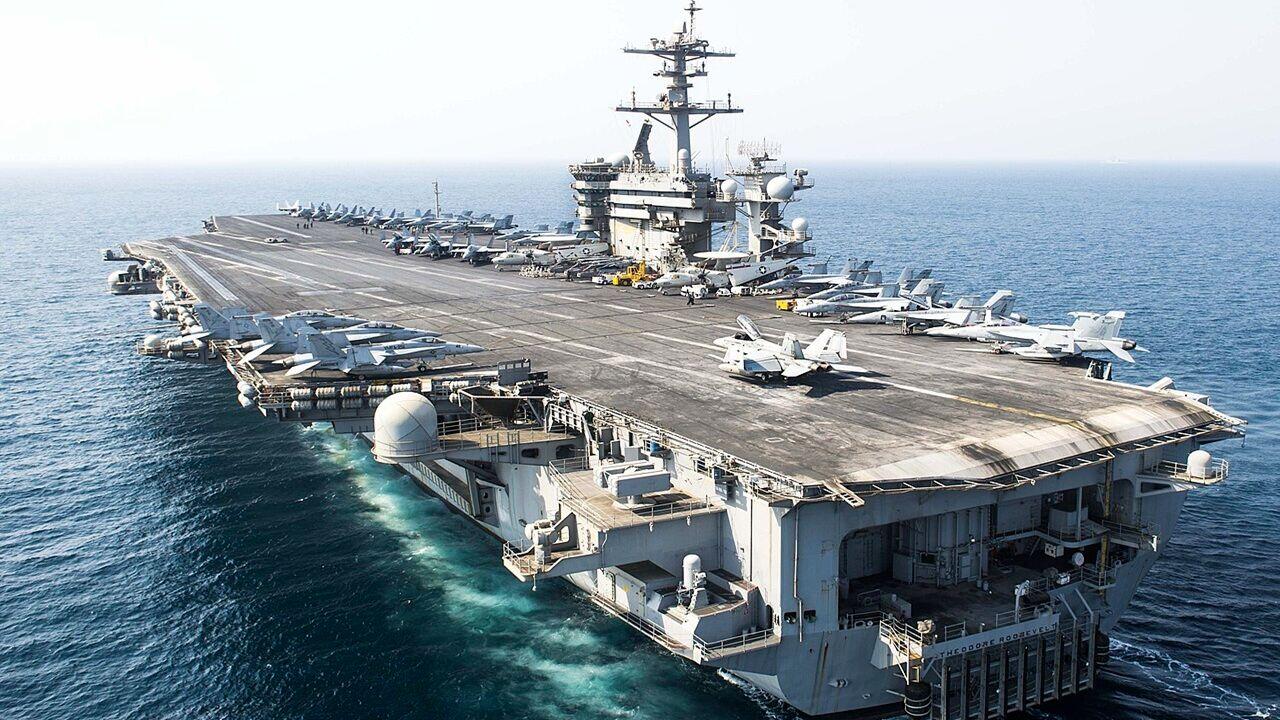
Iran's Revolutionary Guards declared the Strait of Hormuz closed on Sunday, while Saudi-backed Yemeni forces announced a redeployment from Dhubab Airport and the Bab el-Mandeb coast, leaving the Iran-aligned Houthis in control of the Red Sea's southern gate. Reuters reported the pullback, and the New York Times reported that the USS Theodore Roosevelt would join two other American carriers in the region within a day. The moves came as Houthi attacks continued against Saudi infrastructure and shipping-linked routes.
The evidence came from official statements and wire reporting. Yemen's Southern Armed Forces said they moved to al-Suqyah, about 150 km west of Aden, to secure the government's base. Yemen's armed forces claimed 906 strikes on Houthi positions on Sunday, including 41 airstrikes. The Saudi-led coalition said it shot down two Houthi ballistic missiles aimed at Riyadh. Neither the Houthis nor Saudi Arabia commented immediately. The original report did not independently verify the Hormuz closure or the carrier movement beyond a New York Times account.
The two chokepoints carry disproportionate weight in global energy and trade. Hormuz handles a large share of seaborne oil and liquefied natural gas; Bab el-Mandeb links the Red Sea to the Suez route. A closure or credible threat raises longer routes or higher insurance costs for Gulf exporters, while Saudi crude already has been moving west through the East-West pipeline to Yanbu because Houthi attacks have disrupted Red Sea shipping. The loss of Dhubab gives the Houthis a stronger position over that corridor.
The immediate stakes are shipping risk, energy prices, and military posture. For Yemen's internationally recognized government, the pullback preserves Aden but concedes the southern strait coast, weakening its bargaining position and deepening the humanitarian squeeze on Taiz, where about half of 300,000 displaced people are trapped. For Gulf states and importers, a closed or threatened Hormuz raises the cost of moving oil and gas. For the United States, a third carrier signals deterrence but also increases the risk of miscalculation near two narrow waterways.
Yemeni government forces, Gulf exporters, shipping firms, and global consumers face higher transit risk and energy costs; the reported deployment of a third US carrier raises the chance of miscalculation near Hormuz and Bab el-Mandeb.
Sources (1)
- [1]Original source(https://www.zerohedge.com/geopolitical/hormuz-closed-bab-el-mandeb-falls-three-us-carriers-iran-monday)