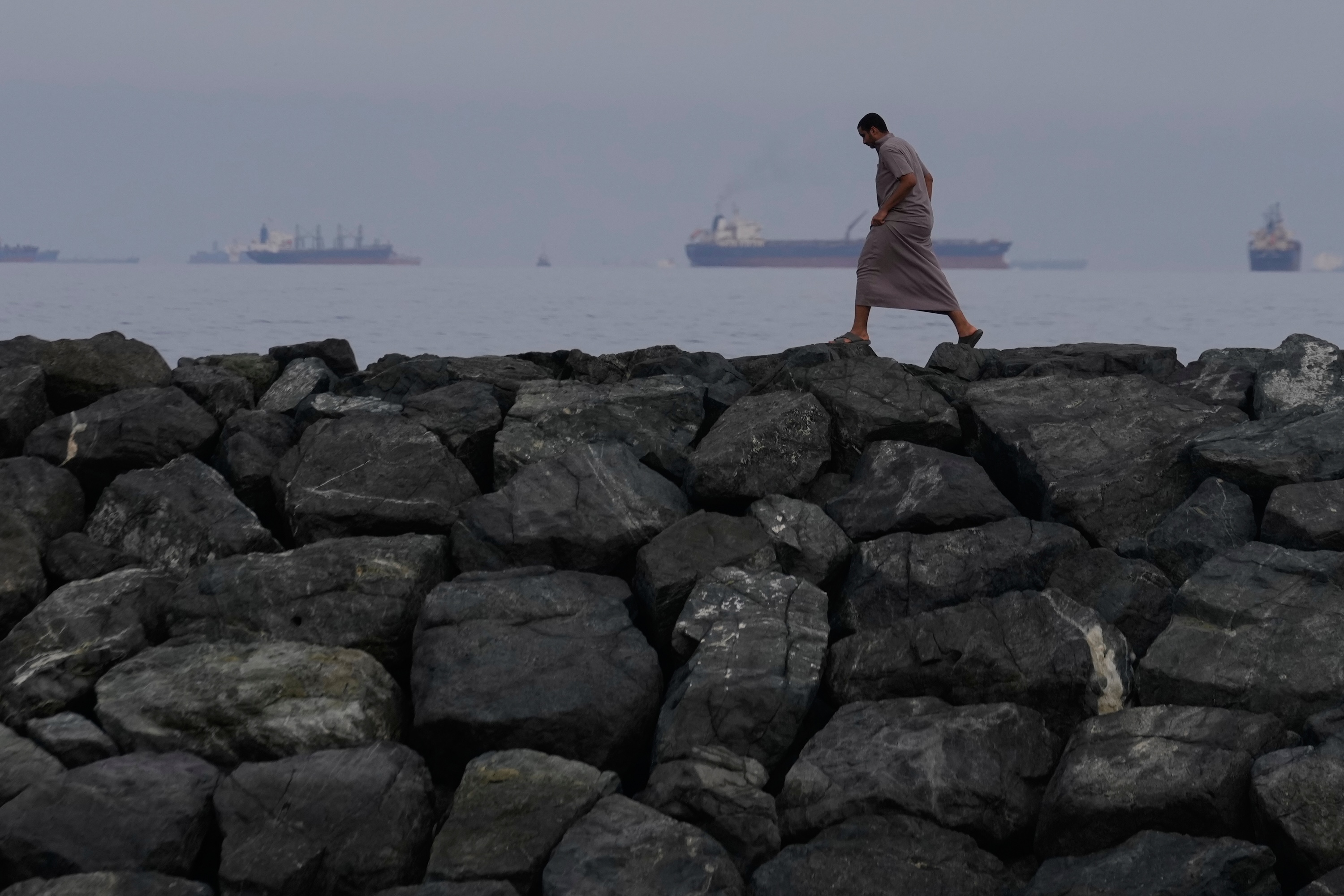
Iran's Hormuz Gambit: Gunfire on Vessels Signals High-Stakes Escalation Threatening Global Energy Flows
Iran's re-closure of the Strait of Hormuz backed by direct gunfire on merchant vessels constitutes a severe threat to 20% of global oil transit, exposing critical gaps in original coverage while signaling high probability of U.S.-led military response and economic shockwaves.
The Defense News report from April 18, 2026, captures the immediate tactical developments—Iranian navy broadcasts declaring the Strait of Hormuz closed, IRGC gunboats firing on a tanker and container ship near Qeshm and Larak islands, and vessels turning back amid restricted lanes. Yet this coverage remains largely descriptive, missing the deeper strategic pattern and escalation dynamics at play. Iran's move is not mere retaliation for 'U.S. failure to fulfill commitments' in negotiations; it represents a calculated escalation rooted in longstanding hybrid tactics designed to weaponize the world's most critical energy chokepoint.
This incident fits a clear historical arc. During the 1980s Tanker War, Iran regularly attacked neutral shipping to pressure Iraq and its backers. In 2019, similar seizures and limpet-mine attacks on tankers were widely attributed to the IRGC, prompting limited U.S. responses. The current episode synthesizes elements from UKMTO advisories, Reuters maritime security reporting on the VHF radio warnings, and CSIS wargaming studies on Hormuz contingencies (notably their 2023-2025 updates on Iranian anti-access/area-denial capabilities). What original coverage underplays is the linkage to broader regional failure: stalled nuclear talks, intensified proxy conflicts involving Houthis disrupting the Red Sea, and Tehran's perception of encirclement following U.S. naval reinforcements.
The strategic implications extend far beyond stranded ships and 20,000 seafarers. Roughly 21 million barrels of oil and significant LNG volumes transit the strait daily—approximately one-fifth of global supply. A sustained closure, even partial, would trigger oil prices surging toward $150-200 per barrel, hammering Asian economies and European recovery while handing leverage to Russia and Venezuela. The original piece notes the volume but misses the cascading infrastructure risk: Iran has prepositioned mobile anti-ship missiles, coastal artillery, and mine inventories that could turn the strait into a shooting gallery within hours.
Crucially, the gunfire incidents cross a threshold from posturing to kinetic action against commercial shipping. This raises miscalculation risks with the U.S. Fifth Fleet, which maintains a near-constant presence in the Gulf. Patterns from prior crises suggest Tehran aims to force diplomatic concessions or deter Israeli strikes on its nuclear sites, yet history shows such closures invite rapid naval coalitions. Beijing, heavily dependent on Gulf crude, may quietly pressure Iran while publicly condemning 'U.S. adventurism,' adding another layer of great-power friction.
Original reporting also glossed over the information warfare component—the precise VHF script blaming Washington is crafted for domestic consumption and Global South audiences. In reality, this represents an immediate threat to global energy security with a compressed timeline for military escalation. Without swift de-escalation channels, the risk of kinetic exchanges, mine countermeasures operations, or strikes on Iranian naval assets could materialize within days, fundamentally altering the regional security architecture.
SENTINEL: Gunfire combined with formal closure crosses from coercion into kinetic disruption; expect U.S. Fifth Fleet freedom-of-navigation operation within 72 hours, oil prices breaching $140, and elevated risk of Iranian missile retaliation triggering wider conflict.
Sources (3)
- [1]Vessels report being hit by gunfire as Iran says Strait of Hormuz shut again(https://www.defensenews.com/news/pentagon-congress/2026/04/18/vessels-report-being-hit-by-gunfire-as-iran-says-strait-of-hormuz-shut-again/)
- [2]UKMTO Advisory: Incident northeast of Oman involving tanker(https://www.ukmto.org/advisories/2026/04/18/hormuz-incident-gunfire)
- [3]CSIS: Iranian Closure of the Strait of Hormuz – Wargame Insights(https://www.csis.org/analysis/hormuz-closure-escalation-risks-2026)