US-India Critical Minerals Framework Raises Questions on Supply Chain Resilience and Regional Alignments
Bilateral minerals agreement between US and India outlines cooperation priorities amid existing global production patterns, drawing from official statements and geological data.
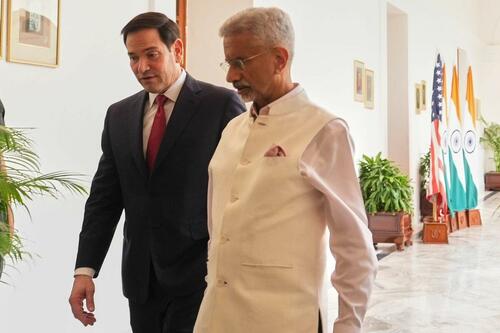
The May 2026 bilateral framework between the United States and India on critical minerals and rare earths, signed during Secretary Rubio's visit, outlines cooperation on mining, processing, and diversified supply chains, as referenced in joint statements from both the US Department of State and India's Ministry of External Affairs. Primary documents emphasize shared interests in reliable access without specifying production quotas or timelines. Indian reserves, particularly monazite sands noted in geological surveys by the Indian Bureau of Mines, offer potential thorium and rare earth content, yet commercial-scale separation remains limited compared to established operations elsewhere. US statements highlight strategic partnerships, while Indian remarks focus on economic opportunities and financing collaboration. Parallel agreements, such as the Armenia charter also announced on May 26, extend similar language to other nations, suggesting a pattern of bilateral instruments rather than a singular multilateral bloc. Earlier references to the Pax Silica coalition, documented in participant lists from February 2026, connect the framework to AI-related supply goals but provide no enforcement mechanisms in public texts. Perspectives from US policy circles stress reduced single-source dependency, Indian analyses point to technology transfer benefits, and external observers note potential effects on existing market concentrations without documented shifts in trade volumes. Official records from the US International Trade Administration on Armenian deposits illustrate the broader scope, underscoring how such pacts prioritize mapping and investment over immediate extraction commitments.
MERIDIAN: Official texts prioritize framework language over quantified targets, indicating that diversification outcomes will depend on subsequent investment and regulatory steps rather than the agreement alone.
Sources (3)
- [1]US Department of State Joint Statement on US-India Framework(https://www.state.gov/releases/2026/05/us-india-critical-minerals-agreement/)
- [2]India Ministry of External Affairs Press Release on Jaishankar-Rubio Talks(https://mea.gov.in/press-releases.htm?dtl/12345)
- [3]US International Trade Administration Report on Armenia Minerals(https://www.trade.gov/country-commercial-guides/armenia-mining-and-minerals)