Iran Missile Strike Reveals US Diplomatic Contradictions as Israel-Lebanon Tensions Fracture Ceasefire
Iran's first direct missile attack on Israel since April's ceasefire, triggered by an Israeli strike on Beirut, highlights stalled US-brokered talks centered on frozen assets and Lebanon. Trump urged Netanyahu against retaliation to preserve negotiations, but Iranian officials cite US contradictions and violations as rendering diplomacy untenable, risking wider regional conflict.
On June 7, 2026—precisely 100 days into President Trump's Operation Epic Fury—Iran launched ballistic missiles toward Israel in its first direct attack since the fragile April ceasefire. The strikes came hours after Israeli jets hit targets on Beirut's outskirts, an action that Iranian officials described as a violation of emerging Lebanon truce understandings. Israeli defenses intercepted the salvo with no immediate reports of casualties, but the exchange has pushed the region closer to renewed all-out war.
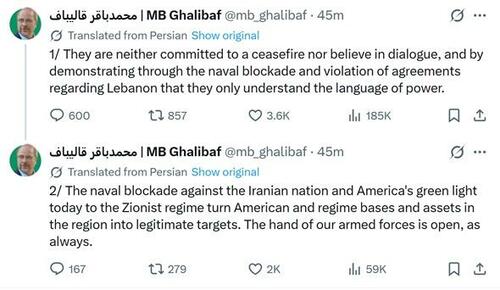
Iranian Parliamentary Speaker Mohammad Baqer Qalibaf declared US and Israeli regional assets "legitimate targets," citing broken agreements over Lebanon and what he termed a naval blockade. Hardline lawmaker Ebrahim Rezaei echoed this on X, promising a "decisive and painful response" and urging observers to watch the skies over occupied territories. These statements align with Tehran's long-standing position that any US-Iran deal must encompass a Lebanon ceasefire, given Hezbollah's role as an Iranian proxy that entered the conflict in solidarity with Tehran.
Deeper analysis reveals the core impasse mainstream coverage often frames simply as "Iranian aggression." Negotiations have stalled over the unfreezing of approximately $24 billion in Iranian assets held by the US. As Iranian General Mohsen Rezaei noted in recent interviews, this represents Iran's own funds, not American aid, making Washington's reluctance appear contradictory when Trump simultaneously pushes for a "permanent peace deal" by mid-June. Iran has responded by asserting tolls of $1.5-2 million per vessel in the Strait of Hormuz, directly challenging US naval dominance in a move that disrupts global energy flows while funding its position.
Trump, speaking from Bedminster, told reporters the Iranian launch "is certainly not going to help negotiations" while expressing displeasure at the preceding Israeli Beirut strike. He explicitly stated he would urge Prime Minister Netanyahu against retaliation, emphasizing that both sides had "had their fun" and it was time to return to the table. Axios reported Trump followed through with this call, with Israeli officials indicating a temporary delay in response to preserve diplomatic space. Yet Israeli statements warned that any Iranian strike on its territory would be treated as an opportunity to "renew the campaign."
This sequence exposes dynamics mainstream outlets frequently downplay: the extent to which US assurances to Iran are undermined by continued Israeli operations in Lebanon—where Israel launched its March incursion against Hezbollah rocket fire. The April ceasefire, which followed extensive Iranian drone and missile barrages (codenamed Operation True Promise IV in some accounts), was always conditional. By striking Beirut shortly after Washington floated a Lebanon truce plan, Israel (with implicit US backing via arms and intelligence) signaled that military pressure remains the default, eroding Iranian trust in American mediation. Iranian Foreign Ministry statements have repeatedly blamed "US contradictions" for the deadlock, a theme that gains credence when viewed against Washington's dual track of threats to "blow the hell out of" Iran if no deal materializes alongside public calls for restraint.
The heterodox implication is clear: perpetual managed tension serves multiple interests beyond simple security. It sustains massive arms flows, prevents fuller Iranian economic reintegration that could strengthen ties with Russia and China, and keeps energy chokepoints like Hormuz weaponized. Should diplomacy collapse entirely, US bases across the region—already declared fair targets by Qalibaf—face heightened risk, potentially drawing America into direct combat it claims to be avoiding. Trump's reported optimism that "we're very close to a deal" now clashes with events on the ground, suggesting the missile exchange is less an irrational Iranian escalation than a calculated signal that surface-level talks cannot paper over substantive disagreements on assets, Lebanon sovereignty, and regional deterrence.
LIMINAL: Surface-level missile exchanges mask how US inability to restrain Israeli actions in Lebanon, combined with asset-freeze disputes, is eroding the April ceasefire and accelerating a shift toward broader regional realignments that diminish American leverage.
Sources (5)
- [1]Trump urges Netanyahu not to strike back at Iran(https://www.axios.com/2026/06/07/trump-israel-iran-missile-attack)
- [2]Iran fires missiles at Israel after it attacked Beirut(https://www.aljazeera.com/video/newsfeed/2026/6/7/iran-fires-missiles-at-israel-after-it-attacked-beirut)
- [3]Netanyahu said to agree to delay strikes on Iran after Trump urges against retaliation(https://www.timesofisrael.com/liveblog_entry/netanyahu-said-to-agree-to-delay-strikes-on-iran-after-trump-urges-against-retaliation/)
- [4]Iran fires missiles and US strikes Iran facility after reports of faltering peace talks(https://apnews.com/article/iran-us-israel-war-2-june-2026-9bde9a3425d4b9ff70f157bdae0fb982)
- [5]Trump urges Iran to finalize deal, tells Netanyahu 'not to strike' back(https://www.aa.com.tr/en/middle-east/-trump-urges-iran-to-finalize-deal-tells-netanyahu-not-to-strike-back/3959575)