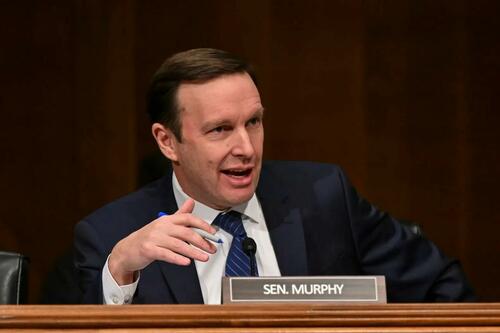
Sen. Chris Murphy's $25 Minimum Wage Bill Fuels Debate Over Automation and Job Displacement
Murphy's Living Wage for All Act proposes a $25 federal minimum wage phased by 2032-2039, sparking concerns it could drive automation and job losses based on state-level precedents and expert analyses.
Sen. Chris Murphy (D-Conn.) introduced the Living Wage for All Act in late June 2026, proposing to raise the federal minimum wage from $7.25 to $25 per hour over a phased timeline—large corporate employers by 2032 and other businesses by 2039—with automatic adjustments tied to two-thirds of the national median wage thereafter. The legislation, with Senate co-sponsors including Richard Blumenthal and Ron Wyden, and a House companion bill, aims to address affordability and corporate power but has drawn immediate scrutiny for its potential economic ripple effects. Critics argue the sharp increase could accelerate automation in low-wage sectors, echoing patterns observed in states like California after prior wage hikes. A Washington Post opinion piece explicitly warned that the proposal "would accelerate automation and raise prices," noting it could worsen affordability challenges amid existing concerns over job losses to technology. The Competitive Enterprise Institute highlighted risks of job reductions, citing NBER research on California's loss of approximately 18,000 fast-food jobs following a wage increase to $20 and broader evidence that higher labor costs prompt employers to automate tasks or cut hours and benefits. Murphy's Senate announcement emphasizes indexing the wage to prevent erosion and promote growth, while the senator has publicly stated on platforms like NBC's Meet the Press that "this version of capitalism isn't working" and advocated for bolder Democratic action against corporate influence. The bill's text, available via Congress.gov, includes no subminimum wages and mandates continued increases. While supporters frame it as essential for workers in high-cost areas, detractors point to documented outcomes from similar policies, including higher consumer prices and reduced employment opportunities, potentially hastening robotic or AI-driven replacements in industries like food service and retail. Official sources confirm the bill's introduction but offer no direct endorsement of automation linkages, leaving the debate centered on standard economic analyses of minimum wage impacts.
Economists: Sharp minimum wage hikes in labor-intensive sectors will likely speed automation adoption within 3-5 years, displacing entry-level roles faster than in gradual-increase scenarios.
Sources (6)
- [1]Murphy Introduces Landmark Bill to Raise Minimum Wage to 25 Dollars Nationwide(https://www.murphy.senate.gov/newsroom/press-releases/murphy-introduces-landmark-bill-to-raise-minimum-wage-to-25-dollars-nationwide)
- [2]Chris Murphy backs $25 minimum wage bill(https://thehill.com/homenews/senate/5944554-chris-murphy-minimum-wage/)
- [3]Bill to raise minimum wage to $25 an hour will be introduced in Senate(https://www.washingtonpost.com/business/2026/06/25/bill-raise-minimum-wage-25-an-hour-will-be-introduced-senate/)
- [4]The Living Wage for All Act leaves hourly workers behind(https://cei.org/blog/the-living-wage-for-all-act-leaves-hourly-workers-behind/)
- [5]119th Congress (2025-2026): Living Wage For All Act(https://www.congress.gov/bill/119th-congress/house-bill/8555)
- [6]Opinion | The anti-affordability agenda(https://www.washingtonpost.com/opinions/2026/07/06/chris-murphy-minimum-wage-proposal-would-worsen-unaffordability/)