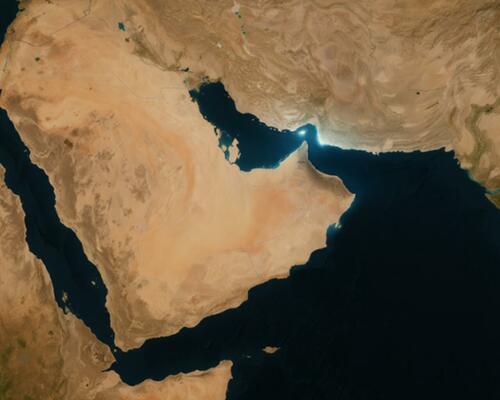
Europe Acknowledges Inevitable Hormuz Transit Fees Amid Post-War Realities in Strait
Mainstream reporting confirms Europe's pragmatic acceptance of Iran-Oman Hormuz fees as post-war reality, despite US objections, with shipping stabilizing amid diplomatic pauses for Khamenei's funeral.
Reports from Bloomberg and the New York Times indicate that leading European powers have accepted the likelihood of ships transiting the Strait of Hormuz paying service or administrative fees to Iran and Oman following the 2026 US-Israel-Iran conflict. Bloomberg's July 2 article notes that two sources familiar with private deliberations described such fees as "a given" in the aftermath of the war, framing them as inevitable service charges rather than outright tolls. The New York Times, citing an Iranian official and four diplomats, reports that Iran and US-allied Oman are advancing plans to collect payments despite American objections, marking a significant shift from the pre-war status of free transit in international waters.
This development aligns with broader maritime adjustments. Shipping traffic has rebounded to around 40-60 vessel crossings per day via channels including Omani/IMO routes and Iranian waters, per Kpler data and Maritime Executive observations, though some vessels still operate without AIS. Omani officials emphasize compliance with international law while discussing fees for services like navigation assistance or pollution control, avoiding explicit "tolls." Iran has signaled that passage will never revert to pre-war norms, with proposals for obligatory payments.
US opposition remains firm. President Trump and Secretary of State Marco Rubio have branded fees "unacceptable" on an international waterway, with Rubio asserting no country can charge tolls there. Negotiations in Qatar have paused amid Iran's multi-day funeral preparations for slain Supreme Leader Ayatollah Ali Khamenei, scheduled to begin July 4, 2026. A Qatar-Pakistan statement confirms discussions will resume post-funeral.
The shift underscores unanticipated geopolitical consequences of the February 28, 2026 strikes, with Europe prioritizing energy flow stability over outright resistance. Sources describe European deliberations as pragmatic acceptance rather than endorsement, amid ongoing uncertainty in the chokepoint that handles a significant portion of global oil transit.
Analyst: This acceptance signals a durable reconfiguration of Hormuz governance, pressuring US policy and potentially raising global energy costs through formalized fees, regardless of nomenclature.
Sources (5)
- [1]European Nations Now Believe Some Hormuz Fees Are Inevitable(https://www.bloomberg.com/news/articles/2026-07-02/hormuz-european-nations-now-believe-some-fees-are-inevitable)
- [2]After U.S.-Iran War, Oman Is Said to Propose Strait of Hormuz Fee Plan(https://www.nytimes.com/2026/06/30/world/middleeast/iran-war-oman-strait-hormuz-fee-ships.html)
- [3]US ally proposes teaming up with Iran to charge Strait of Hormuz toll(https://nypost.com/2026/06/30/world-news/us-ally-proposes-teaming-up-with-iran-to-charge-strait-of-hormuz-toll/)
- [4]Oman Tells Allies Ships Going Through Hormuz May Have to Pay(https://www.bloomberg.com/news/articles/2026-06-26/oman-tells-allies-ships-going-through-hormuz-may-have-to-pay)
- [5]State funeral of Ali Khamenei(https://en.wikipedia.org/wiki/State_funeral_of_Ali_Khamenei)