Global Energy Shock from Iran Conflict Exposes Demand Destruction Through Shortages, Subsidies, and Policy Reversals
Iran conflict closes Strait of Hormuz causing global fuel shortages and demand destruction signals in Australia and Japan, with governments using subsidies, coal reversion, and reassurances amid empty stations and price spikes.
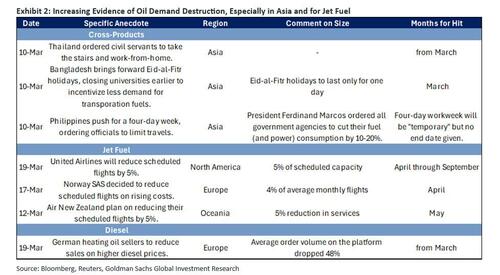
The ongoing U.S.-Israel conflict with Iran has effectively closed the Strait of Hormuz, triggering the largest oil disruption in history and sending shockwaves through global energy markets. This has manifested in synchronized signs of demand destruction: empty fuel stations, panic buying, flight cancellations, export limits, and governments deploying emergency subsidies alongside a reluctant return to coal power. While mainstream coverage often frames these as temporary supply issues within a 'soft landing' economic narrative, the pattern reveals deeper vulnerabilities in global demand and the fragility of just-in-time energy systems. In Australia, panic buying has led to widespread fuel shortages, with hundreds of petrol stations reporting they are out of at least one fuel type. Prime Minister Anthony Albanese has moved to halve the fuel excise for three months to ease record prices, while reassuring citizens that underlying supply remains stable even as rural areas and truckers face real disruptions. Reports confirm motorists filling jerry cans and transport firms urging drivers to top up at any opportunity, behaviors that go beyond mere panic and indicate acute price sensitivity. Japan, heavily reliant on LNG imports routed through the Strait, is relaxing restrictions on coal-fired power plants for a full year to reduce LNG consumption by over 10% of its Hormuz-dependent imports. This reversal of decarbonization policy underscores the severity of the energy squeeze in Asia, identified as the initial epicenter of the crisis. Other Asian nations like the Philippines and Vietnam have sought aid from Japan's reserves, though Tokyo is prioritizing domestic needs. These developments—subsidies to mask price pain, physical rationing via empty pumps, canceled flights due to jet fuel scarcity, and dirty energy backups—paint a picture of genuine demand erosion rather than isolated supply hiccups. High prices are curbing consumption in transportation and industry, patterns that echo early recession signals often downplayed in favor of resilient growth stories. The closure has stranded seafarers, spiked Brent crude dramatically, and forced emergency interventions across continents, highlighting how interconnected energy chokepoints can rapidly expose underlying economic weaknesses.
LIMINAL: These coordinated policy responses and physical shortages reveal a demand collapse unfolding beneath official optimism, potentially accelerating a global economic downturn as high energy costs suppress activity far beyond the Middle East.
Sources (4)
- [1]Panic buying prompts PM to reassure Australians over fuel supply(https://www.bbc.com/news/articles/cg73znr1vj7o)
- [2]Japan to relax rules from April to boost coal-fired power amid LNG import risks(https://www.reuters.com/business/energy/japan-considers-increasing-coal-fired-power-war-disrupts-lng-imports-2026-03-27/)
- [3]Iran effectively closes Strait of Hormuz as U.S.-Israel strikes continue(https://www.npr.org/2026/03/12/nx-s1-5744978/iran-effectively-closes-strait-of-hormuz-as-u-s-israel-strikes-continue)
- [4]Australia says fuel supply levels stable, PM urges residents to avoid panic buying(https://www.reuters.com/business/energy/australia-says-fuel-supply-levels-stable-pm-urges-residents-avoid-panic-buying-2026-03-19/)