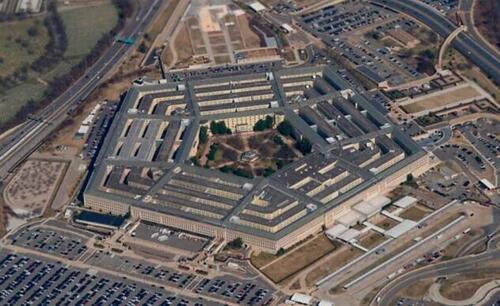
Pentagon Elevates Israeli Espionage Threat to 'Critical' as Leaks Reveal Deep Fractures in US-Israel Alliance Over Iran
Credible reporting from NBC News, The New York Times, and other outlets confirms the DIA raised Israel to the highest counterintelligence threat level over intensified spying on Trump officials like Witkoff and Colby amid Iran policy rifts, underscoring rarely discussed fractures, intelligence overreach, and shifting US conservative support that could reshape the alliance.
A series of coordinated leaks to major US outlets has exposed significant tensions within the US national security establishment regarding Israeli intelligence activities. According to NBC News, the Pentagon’s Defense Intelligence Agency (DIA) recently raised Israel’s counterintelligence threat level from 'high' to 'critical'—its highest designation—citing aggressive efforts to surveil senior American officials involved in Middle East policymaking. The assessment, which includes a seven-page document with charts, concludes that Israel’s capabilities in both human espionage (HUMINT) and technical collection (SIGINT) have reached a 'critical level.' This move comes amid heightened friction between the Trump administration and Israeli Prime Minister Benjamin Netanyahu over strategy in the ongoing conflict with Iran.
The New York Times corroborated key details, reporting that Israeli efforts have specifically targeted figures such as Steve Witkoff, Trump’s lead regional negotiator, Elbridge A. Colby, the Pentagon’s under secretary of defense for policy, and one of Colby’s deputies, Michael P. DiMino IV. These officials are central to internal deliberations on Iran, including potential negotiations and military posture. US sources described the Israeli activities as exceeding the routine espionage often tolerated between close allies, with some characterizing it as 'unhinged.' Parallel reports from Al Jazeera and The Times of Israel note that the timing aligns with a reportedly contentious phone call in which Trump sharply rebuked Netanyahu, highlighting policy divergences on the scope and duration of operations against Iran.
This episode illuminates deeper, rarely examined fault lines in the US-Israel relationship. Colby has previously advocated for a strategic 'reset' in ties with Israel, arguing for reduced unconditional support in favor of broader US national interests—a position that appears to have drawn focused Israeli scrutiny. The leaks suggest not merely tactical intelligence gathering but an attempt to map and influence internal Trump administration debates at a moment when younger conservative voices and portions of the American right have grown skeptical of extensive entanglement in Middle Eastern conflicts. Official denials from the Israeli embassy in Washington, which called the stories 'completely false,' and from the White House have done little to quell speculation that resentment is building within US defense and intelligence circles over perceived overreach.
Historical context adds weight: while espionage between allies is not new, the elevation to 'critical' status is rare for a nation receiving billions in annual US military aid. Reports from Haaretz and other outlets indicate that US personnel in Israel have detected technical intrusions, including suspicious software on devices, raising questions about the sustainability of the intelligence-sharing framework that has defined the alliance for decades. This development may foreshadow policy shifts, including tighter restrictions on information flow to Israeli counterparts and a broader reassessment of how Washington manages its most important regional partner amid competing global priorities.
The convergence of these mainstream reports—NBC, NYT, and others—points to deliberate signaling from within the Pentagon. Rather than isolated incidents, they reflect structural alliance fatigue: Israel’s drive to maintain influence as US priorities evolve, colliding with American frustration over being pulled deeper into protracted conflicts. Observers note this could accelerate a quiet decoupling in sensitive domains, forcing both sides toward more transactional relations less defined by shared ideology than by raw strategic calculus.
LIMINAL: These leaks signal eroding unconditional trust, likely prompting reduced intel sharing and a US policy reset that weakens Netanyahu's leverage while amplifying voices calling for strategic distance from endless Middle East commitments.
Sources (5)
- [1]Pentagon raised threat of Israeli spying on U.S. to highest level, sources say(https://www.nbcnews.com/politics/national-security/pentagon-raised-threat-israeli-spying-us-highest-level-sources-say-rcna348565)
- [2]Pentagon Sees Growing Espionage Threat From Israel(https://www.nytimes.com/2026/06/06/us/politics/pentagon-sees-growing-espionage-threat-from-israel.html)
- [3]Why has Pentagon assessed threat of Israeli espionage as critical?(https://www.aljazeera.com/news/2026/6/7/why-has-the-pentagon-raised-the-risk-of-israeli-spying-to-the-highest-level)
- [4]Pentagon raises threat assessment of Israeli spying on US to 'critical' level — report(https://www.timesofisrael.com/pentagon-raised-threat-assessment-of-israeli-spying-on-us-to-critical-level-report/)
- [5]Report: Pentagon Officials Suspect Israel Tried to Spy on U.S. Officials Involved in Iran Talks(https://www.haaretz.com/middle-east-news/iran/2026-06-06/ty-article/report-pentagon-puts-israeli-spying-on-u-s-risk-at-highest-level-sources-say/0000019e-9bc4-d59e-a79f-fbe7895f0000)