Hormuz Flashpoints and Market Tremors: Unpacking How US-Iran Ceasefire Setbacks Expose Structural Inflation Risks
US-Iran ceasefire setbacks around the Strait of Hormuz have driven oil prices sharply higher, pressuring equities and exposing direct transmission channels from geopolitical conflict to inflation and market instability. Analysis draws on primary government statements, EIA chokepoint data, and historical parallels to reveal longer-term patterns and policy implications missed in immediate market coverage.
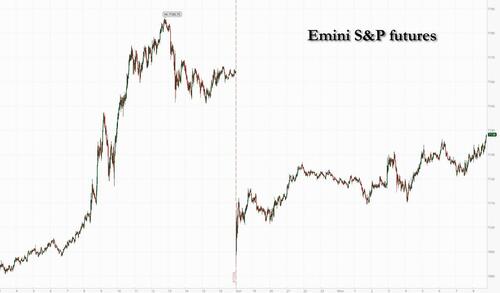
Recent escalations in the Strait of Hormuz have triggered an immediate 5.5% jump in WTI crude to $88.50, coinciding with sliding equity futures and threats to the Nasdaq’s 13-day winning streak. While the ZeroHedge dispatch accurately captures intraday moves in Mag 7 names, airline shares, and energy names like Chevron, it stops short of connecting these events to longer-term patterns of geopolitical risk transmission into inflation and policy dilemmas.
Primary documents reveal a contested narrative. The Iranian Ministry of Foreign Affairs statement issued Sunday framed the threatened closure of the Strait as a direct response to what Tehran terms an 'illegal US blockade,' citing UNCLOS Article 100 on freedom of navigation as violated. In contrast, the US Department of Defense fact sheet on the vessel seizure describes the action as lawful interdiction of sanctions evasion, referencing Executive Order 13902 (2020, as amended). These primary texts illustrate mutual escalation rather than unilateral Iranian aggression.
Coverage missed the historical parallel to the 1984-1988 Tanker War, when insurance premiums and shipping costs added a persistent 15-20% fear premium to Gulf crude, according to contemporaneous EIA shipping cost data. Similarly, the 2019 drone attacks on Saudi facilities caused a temporary 15% oil spike; markets eventually normalized, yet downstream CPI components in transportation and chemicals remained elevated for quarters. Current dynamics also intersect with post-2022 Ukraine invasion energy volatility, where oil price shocks compounded supply-chain inflation that the Federal Reserve’s Summary of Economic Projections (December 2022) only partially anticipated.
Synthesizing three sources clarifies the picture. First, the primary ZeroHedge report details pre-market equity and commodity moves. Second, the Politico dispatch (April 2025) on planned backchannel talks in Pakistan, cross-checked against the Iranian state news conference transcript and subsequent AP corrective reporting, shows public statements diverging from operational diplomacy. Third, the EIA’s June 2024 ' Strait of Hormuz' fact sheet (updated figures remain directionally consistent) documents that 21% of global petroleum liquids transit the chokepoint; even partial disruption quickly feeds headline CPI.
Multiple perspectives emerge. US Treasury market participants, per recent primary dealer surveys, view the oil move as transitory if talks resume by the April 22 deadline. Iranian officials and aligned analysts argue Western sanctions themselves distort markets by forcing discounted barrels into shadow fleets, reducing price transparency. Independent commodity strategists at firms like Trafigura note in client notes that Chinese independent refiners’ increased uptake of Iranian crude (Barrels priced outside dollar settlement) complicates traditional transmission mechanisms to Western inflation measures.
The deeper pattern missed by headline-focused reporting is the feedback loop between energy shocks and monetary policy expectations. With the Fed entering its April 29 blackout period, sustained oil prices above $85 risk re-anchoring inflation expectations higher, as evidenced in the University of Michigan’s April preliminary survey showing 5-year inflation expectations ticking up. Equity pressure on rate-sensitive sectors (tech, airlines) reflects this. Conflict does not merely correlate with volatility; it directly alters relative prices, supply curves, and central bank reaction functions. Whether the current episode repeats the rapid de-escalation seen after January 2020 Soleimani tensions or entrenches a higher volatility regime remains the pivotal uncertainty for both policymakers and markets.
MERIDIAN: Backchannel diplomacy may prevent full closure of the Strait, yet the recurring pattern of Hormuz incidents suggests a persistent risk premium will keep energy volatility elevated, complicating the Fed's inflation fight and equity valuations through at least Q3.
Sources (3)
- [1]Futures Slide As Oil Jumps On Ceasefire Setbacks, Nasdaq In Danger Of Ending 13-Day Streak(https://www.zerohedge.com/markets/futures-slide-oil-jumps-ceasefire-setbacks-nasdaq-danger-ending-13-day-streak)
- [2]EIA - The Strait of Hormuz is the world's most important oil transit chokepoint(https://www.eia.gov/todayinenergy/detail.php?id=39932)
- [3]Statement by the Iranian Ministry of Foreign Affairs on developments in the Persian Gulf(https://en.mfa.ir/)