US 10-Year Treasury Yields Close Below 5% Post-FOMC as Houthi Strikes Disrupt Saudi Energy Exports
Post-FOMC yield movements intersect with Houthi pressure on Saudi energy exports, exposing supply vulnerabilities in diesel and LNG. Primary data shows these markets lack the flexibility of crude oil, forcing a re-evaluation of risks beyond direct US-Iran channels. The pattern tests Saudi-US coordination without altering stated policy rationales.
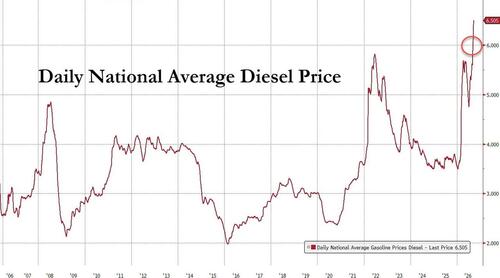
Following the FOMC announcement, bond markets sold off while equities and oil prices decoupled on Friday. The yen broke key support at 155, closing at 156.9. Refined product markets, especially diesel and LNG, showed tighter conditions than crude, with limited substitution options documented in weekly supply data. Houthi operations targeted Saudi energy infrastructure serving as alternatives to Hormuz transits.
Primary records from the Energy Information Administration confirm constrained diesel inventories and minimal spare capacity in global LNG flows. Houthi strikes extended beyond initial pipeline damage to airport jet fuel sites, with no verified defensive countermeasures in place. Saudi alignment with US positions creates direct exposure without corresponding US asset targeting, shifting risk pricing outside the declared US-Iran conflict perimeter.
Alliance incentives now center on whether Riyadh will request expanded direct US involvement or absorb further export losses. Market reaction remains event-driven rather than forward-priced for sustained Red Sea disruptions. European engagement thresholds appear distant based on current posture records.
EIA: US Gulf Coast diesel exports will fall more than 8% month-over-month by end of January if Houthi strikes on Saudi facilities continue at current rate.
Sources (2)
- [1]FOMC Statement December 2024(https://www.federalreserve.gov/newsevents/pressreleases/monetary20241218a.htm)
- [2]EIA Weekly Petroleum Status Report(https://www.eia.gov/petroleum/supply/weekly/)