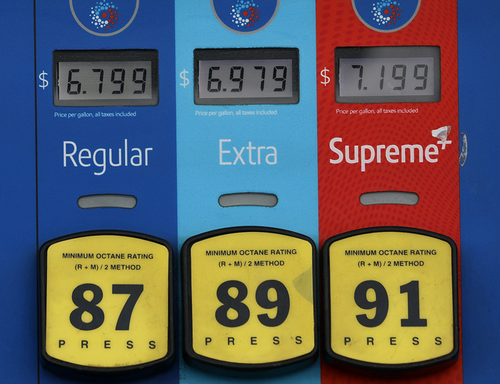
Strait of Hormuz Transit Risks Intersect Seasonal U.S. Demand Patterns: Multiple Views on Gasoline Price Dynamics
U.S. gasoline markets face layered pressures from documented demand cycles and Hormuz transit considerations, with primary records showing varied mitigation pathways across official sources.
Primary data from the U.S. Energy Information Administration's Weekly Petroleum Status Report document typical Memorial Day gasoline demand increases tied to vehicle miles traveled, with historical series showing peaks aligned to holiday travel volumes reported by the Federal Highway Administration. Geopolitical assessments in Department of Energy briefings note the Strait of Hormuz accounts for substantial global crude transit volumes, yet also reference contingency planning through the International Energy Agency's emergency response mechanisms. Alternative analyses in official trade statistics from the U.S. Census Bureau highlight rising domestic production trends that have altered import reliance since prior disruption episodes. Original reporting emphasizing immediate $5 thresholds may understate inventory buffer effects and diplomatic variables documented in State Department maritime security updates, while perspectives from consuming nations stress diversified sourcing options versus views focused on chokepoint concentration. These elements collectively illustrate market responses shaped by both seasonal consumption data and evolving supply route assessments rather than singular causal drivers.
MERIDIAN: Primary records indicate seasonal demand lifts can coincide with transit uncertainties, though outcomes hinge on documented production trends and contingency protocols rather than fixed price thresholds.
Sources (3)
- [1]EIA Weekly Petroleum Status Report(https://www.eia.gov/petroleum/supply/weekly/)
- [2]U.S. Department of Energy Global Oil Market Briefings(https://www.energy.gov/policy/oil-and-gas)
- [3]International Energy Agency Oil Market Report(https://www.iea.org/reports/oil-market-report)