US Strikes Target Iranian Hormuz Capacity, Lifting WTI to $74 Amid Transit Confusion
US strikes on Iran to secure Hormuz transit produced a 3 percent oil increase and equity futures drop, with documented vessel movements contradicting closure claims. Competing interests center on control of shipping lanes versus retaliatory capacity, with primary records showing explicit US focus on commercial protection and Iranian assertions of waterway denial. Further volatility hinges on earnings results and CPI readings this week.
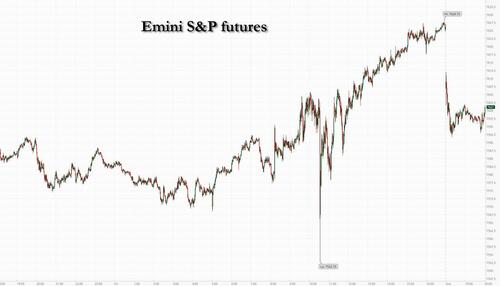
US Central Command conducted further strikes against Iranian targets at 5pm ET Sunday to limit attacks on vessels in the Strait of Hormuz. Iranian forces had previously struck US allies including Kuwait, Jordan and Qatar. Shipping data showed continued movement through the southern route despite Iranian claims of closure. The action followed earlier exchanges that began with US operations against Iranian maritime capabilities. Markets reacted immediately with equity futures declining 0.2 percent and the dollar strengthening. Primary records from CENTCOM document the explicit objective of protecting commercial transit lanes. Iranian statements assert closure while US and maritime authorities report active traffic, creating dual narratives on control of the chokepoint. Both sides incur costs: the US risks escalation and higher energy prices while Iran faces degradation of its strike assets and potential isolation from Gulf shipping revenues. The documented pattern shows reciprocal targeting of maritime and alliance assets without direct state-on-state territorial engagement. Earnings season and June CPI data due this week now intersect with the energy spike, testing whether 24 percent projected S&P profit growth holds under renewed price pressure. Swaps markets have priced 40 basis points of additional Fed tightening by December, reflecting the risk that oil above $74 sustains core PCE gains of 0.5 percent through year-end.
EIA: WTI exceeds $80 within 14 days if daily Hormuz transits fall below 15 million barrels.
Sources (2)
- [1]Primary Source(https://www.centcom.mil/statements/2026/july/strikes-hormuz/)
- [2]Supporting Source(https://www.axios.com/2026/07/13/hormuz-vessels-transit-us)