Foreign Cyber Threats Loom Over US Midterms: A Call for Robust Defense and Strategic Offense
Gen. Joshua Rudd of U.S. Cyber Command and NSA warns of foreign interference in upcoming midterms, yet the critical Election Security Group remains unformed. Amid reduced federal cybersecurity efforts and evolving threats from Russia, Iran, and China, the U.S. risks democratic integrity without urgent, coordinated defense and strategic offensive cyber measures.
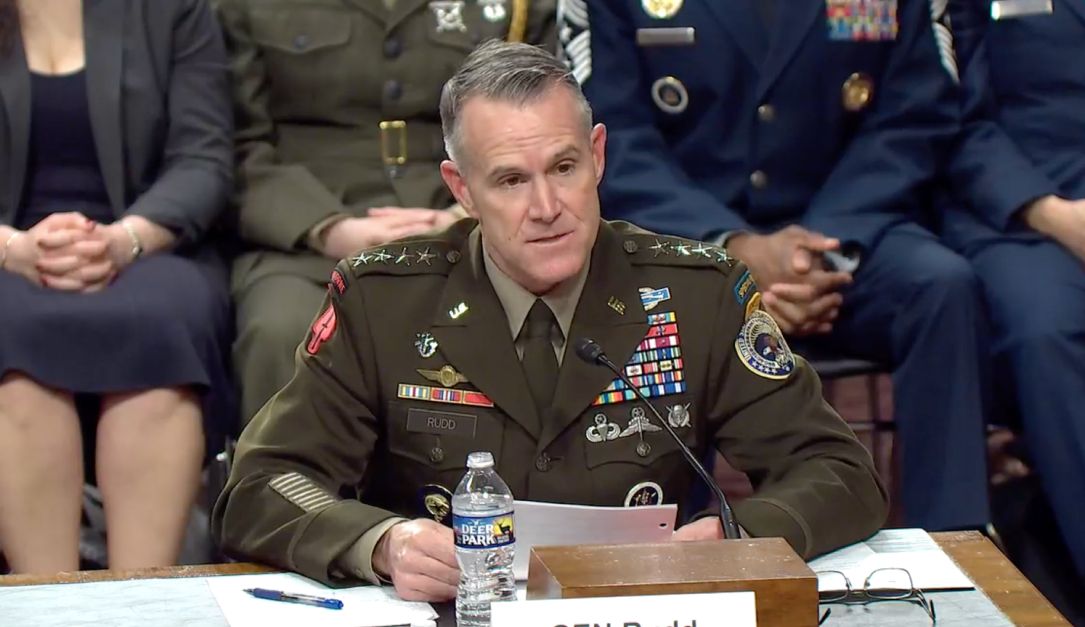
Army Gen. Joshua Rudd, head of U.S. Cyber Command and the National Security Agency, warned during a Senate Armed Services Committee hearing that foreign adversaries are likely to target the upcoming U.S. midterm elections, echoing patterns of interference seen since 2016. While Rudd’s testimony, as reported by The Record, underscores a readiness to safeguard democratic processes, it also reveals a troubling gap: the absence of a reconvened Election Security Group (ESG), a joint task force critical to past election defenses. This hesitation, amid heightened geopolitical tensions, signals a potential vulnerability in national cybersecurity posture at a time when adversaries like Russia, Iran, and China have demonstrated both capability and intent to disrupt U.S. elections.
The original coverage by The Record misses the broader strategic context of these threats. Since Russia’s 2016 interference—documented extensively in the Mueller Report—foreign actors have evolved their tactics from crude disinformation to sophisticated cyber operations targeting campaign infrastructure, as seen in the 2024 Iranian hack of the Trump campaign. This incident, confirmed by the FBI, highlights a persistent and adaptive threat landscape. Moreover, the gutting of key federal cybersecurity initiatives under the current administration, including reductions at the Cybersecurity and Infrastructure Security Agency (CISA), exacerbates risks. The Record’s focus on Rudd’s uncertainty about the ESG overlooks the systemic implications of diminished interagency coordination, especially as state-level election systems remain under-resourced and unevenly protected.
Drawing on additional context, the 2022 Department of Homeland Security (DHS) Cybersecurity Review Board report emphasized that many local election systems lack basic cyber defenses, making them soft targets for foreign actors. Similarly, a 2023 MITRE analysis of global cyber threats noted an uptick in state-sponsored attacks on democratic institutions, with China’s operations increasingly focusing on data theft and influence campaigns alongside Russia’s disinformation efforts. These sources suggest that the U.S. faces a multi-vector threat, where adversaries exploit both technical vulnerabilities and public trust deficits. The Record also underplays the strategic value of offensive cyber operations, as suggested by Sen. Dan Sullivan. Exposing foreign leaders’ corruption via cyber tools could serve as a deterrent, aligning with historical U.S. efforts like the 1980s information campaigns against Soviet narratives.
What’s at stake is not just the integrity of the midterms but the credibility of U.S. democracy itself. The absence of a proactive ESG, combined with reduced federal oversight, risks ceding ground to adversaries who thrive on chaos. Rudd’s commitment to ‘follow up’ on the ESG is insufficient; immediate action is needed to integrate Cyber Command, NSA, CISA, and state-level actors into a cohesive defense framework. Furthermore, Sullivan’s call for offensive cyber operations deserves serious consideration. If foreign dictators meddle in U.S. elections, targeted leaks or digital exposures could shift the cost-benefit calculus of interference. The U.S. must balance defense with deterrence, lest it remain a perpetual target in the digital domain.
SENTINEL: Without immediate reconvening of the Election Security Group and bolstered federal support, the U.S. risks significant foreign interference in the midterms, potentially undermining voter trust and democratic stability.
Sources (3)
- [1]Cyber Command, NSA chief warns foreign adversaries likely to target midterms(https://therecord.media/cyber-command-nsa-chief-midterm-election-threat)
- [2]Department of Homeland Security Cybersecurity Review Board Report 2022(https://www.dhs.gov/news/2022/07/19/dhs-releases-cybersecurity-review-board-report)
- [3]MITRE Analysis of Global Cyber Threats 2023(https://www.mitre.org/news-insights/publication/global-cyber-threats-2023)