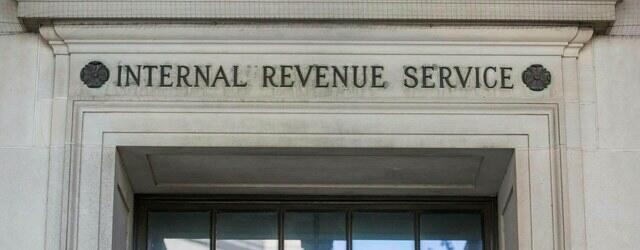
TIGTA Audit Exposes IRS Gaps in Detecting Unauthorized Access to High-Profile Taxpayer Records, Highlighting Persistent Privacy Risks
TIGTA's 2026 report confirms IRS failures to detect and address unauthorized employee access to high-profile tax records via bypassable search tools, with widespread notification lapses and lenient discipline, amplifying concerns over data privacy and institutional accountability in the wake of prior leaks.
A September 2026 report by the Treasury Inspector General for Tax Administration (TIGTA) details systemic weaknesses in the IRS Unauthorized Access (UNAX) program, identifying 86 suspicious accesses by 52 employees to the tax records of 30 high-profile taxpayers—including government officials, business leaders, and entertainers—between 2022 and 2025. Auditors examined Integrated Data Retrieval System (IDRS) logs and found that certain 'NAMES' search commands bypassed standard monitoring, allowing employees to query accounts without triggering alerts. The IRS had no dedicated preventative controls or detection mechanisms specifically for celebrity or public official accounts, despite internal policies prohibiting such browsing without authorization.[1][1]
Of the 52 employees, only some faced termination; 22 remained employed despite confirmed improper access, receiving lesser discipline. Broader review of 122 closed UNAX cases from FY2023–2025 revealed notification failures affecting 276 taxpayers: 175 due to procedural lapses and 101 because responsible employees resigned or retired before action. These gaps left victims without timely opportunity for protective measures like credit monitoring. TIGTA referred the 86 cases for further investigation and issued eight recommendations on access controls, system improvements, and notification standards; the IRS agreed with most, targeting fixes by December 2026.[2][3]
This audit builds on prior scandals, including the 2024 sentencing of contractor Charles Littlejohn for leaking records of Trump and wealthy taxpayers, and Trump's subsequently dropped $10 billion lawsuit alleging inadequate protections. The findings underscore how post-breach enhancements still fail to curb curiosity-driven or targeted access, raising questions about power imbalances in a system holding sensitive financial data on millions. Connections to broader debates include the tension between employee access needs and privacy safeguards, potential for selective enforcement, and risks to public trust in tax administration amid political sensitivities.
TIGTA: Persistent control gaps may enable further privacy erosions unless systemic fixes prioritize high-profile protections and mandatory notifications, potentially eroding public confidence in tax data security amid ongoing political scrutiny.
Sources (5)
- [1]Improvements to the IRS’s Unauthorized Access Program Could Further Protect Taxpayer Privacy(https://www.oversight.gov/sites/default/files/documents/reports/2026-10/2026300058fr.pdf)
- [2]IRS employees improperly accessed filings of celebrities, other high-profile taxpayers: report(https://justthenews.com/government/diplomacy/irs-employees-improperly-accessed-filings-celebrities-other-high-profile)
- [3]Dozens Of IRS Employees Snooped Through Celebrities, Other High-Profile Taxpayers’ Private Records, IG Report Finds(https://dailycaller.com/2026/10/04/dozens-internal-revenue-service-employees-snooped-celebrities-high-profile-taxpayers-private-records-treasury-inspector-general-tax-administration-report-finds/)
- [4]IRS Workers Snooped Through Private Tax Records, and 22 Were Not Fired, Watchdog Finds(https://www.ibtimes.co.uk/tigta-suspicious-irs-accesses-taxpayer-records-1823698)
- [5]IRS Couldn't Detect Suspicious Searches of Politicians, CEOs, and Celebrities(https://pjmedia.com/david-manney/2026/10/04/irs-couldnt-detect-suspicious-searches-of-politicians-ceos-and-celebrities-n4957961)