Iran Escalation Sparks Oil Surge, Global Bond Selloff as Yields Hit Multi-Year Highs
Renewed US-Iran conflict, marked by supertanker attacks in Hormuz, drove oil higher and triggered a global bond rout with US yields near multi-year peaks and JGBs at 30-year highs; markets priced in inflation and policy risks amid supply fears.
Global financial markets opened September 2026 under pressure from renewed US-Iran hostilities, with oil prices jumping sharply on attacks against supertankers in the Strait of Hormuz and fears of prolonged supply disruptions. Multiple reports confirmed two supertankers—the Saudi-operated Sidr and the Senegal Prosperity—were struck by unknown projectiles on August 31 while exiting the chokepoint, coinciding with the first direct US-Iran exchanges of fire in over a month.[1][2]
Brent crude rose over 2% to around $91-92 per barrel, while WTI climbed above $87-88, its highest levels since late July, reversing recent declines.[3] The escalation, including US strikes and Iranian retaliation targeting regional sites, revived concerns over the Strait of Hormuz, which handles a significant portion of global oil flows. Shipping data showed sharply reduced visible tanker traffic, with vessels reportedly switching off transponders.[4]
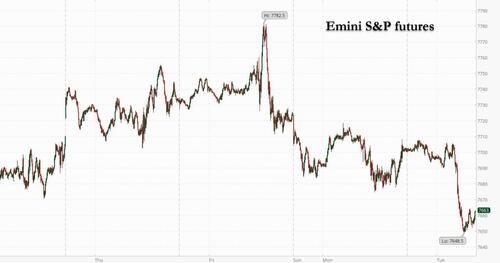
The oil spike fueled broader inflation worries, triggering a global bond selloff. US 10-year Treasury yields climbed to 4.76-4.79%, levels not seen in years and approaching 2008-era highs in some measures, while Japan's 10-year JGB yields hit 3.00% intraday—the first time since 1996—amid similar pressures across Europe and Asia.[5][6] Stock futures pointed lower, with tech and semis underperforming, as higher rates weighed on valuations. The dollar strengthened, and defensive sectors including energy showed relative resilience.
Beyond immediate price moves, the episode underscores deeper interconnections: sustained Middle East tensions could embed higher energy costs into inflation expectations, potentially delaying or altering central bank easing paths (including the Fed's September meeting). Reduced Hormuz transit risks cascading effects on global supply chains, shipping insurance premiums, and producer revenues, while bond market stress highlights vulnerabilities in high-debt economies like Japan. Corporate news, from biotech upgrades to earnings watches, was overshadowed by the macro backdrop, illustrating how geopolitical shocks can rapidly redirect capital flows.
Analysts noted the moves reflect bets on contained but persistent disruption rather than full shutdown, yet any further escalation could test $100+ oil and push yields even higher.
Market Strategist: Elevated oil from Hormuz risks could sustain inflation pressures, supporting higher-for-longer yields and pressuring growth-sensitive assets into Q4.
Sources (5)
- [1]Oil up more than 2% as renewed US-Iran strikes stoke supply fears(https://www.reuters.com/business/energy/oil-prices-rise-latest-fighting-resurrects-middle-east-supply-disruption-risks-2026-09-01/)
- [2]Japan’s Ten-Year Bond Yield Hits 3.00% for First Time in Three Decades(https://www.wsj.com/finance/investing/asia-u-s-bond-yields-rise-as-oil-prices-stoke-inflation-fears-e56e99d7)
- [3]Oil jumps over 2% as tanker attacks deepen US-Iran tensions(https://www.al-monitor.com/originals/2026/09/oil-jumps-over-2-tanker-attacks-deepen-us-iran-tensions)
- [4]10 Year Treasury Yield: 4.76% (Sep 2026)(https://www.gurufocus.com/economic_indicators/37/10-year-treasury-yield)
- [5]Two Oil Supertankers Hit by Projectiles in Hormuz, Marisks Says(https://finance.yahoo.com/energy/articles/two-oil-supertankers-hit-projectiles-080609465.html)