Foundayo's Oral GLP-1 Approval: Convenience at Scale or Another Pharma Band-Aid for Systemic Obesity Failure?
Deep analysis corrects source errors on trial duration (72 weeks not days), situates Foundayo's 12.5% weight loss (phase 3 RCTs, n≈2,800, Lilly-funded) within broader GLP-1 patterns, highlights adherence advantages of its oral flexible dosing, and warns that population-scale obesity impact requires systemic changes beyond another convenient pill.
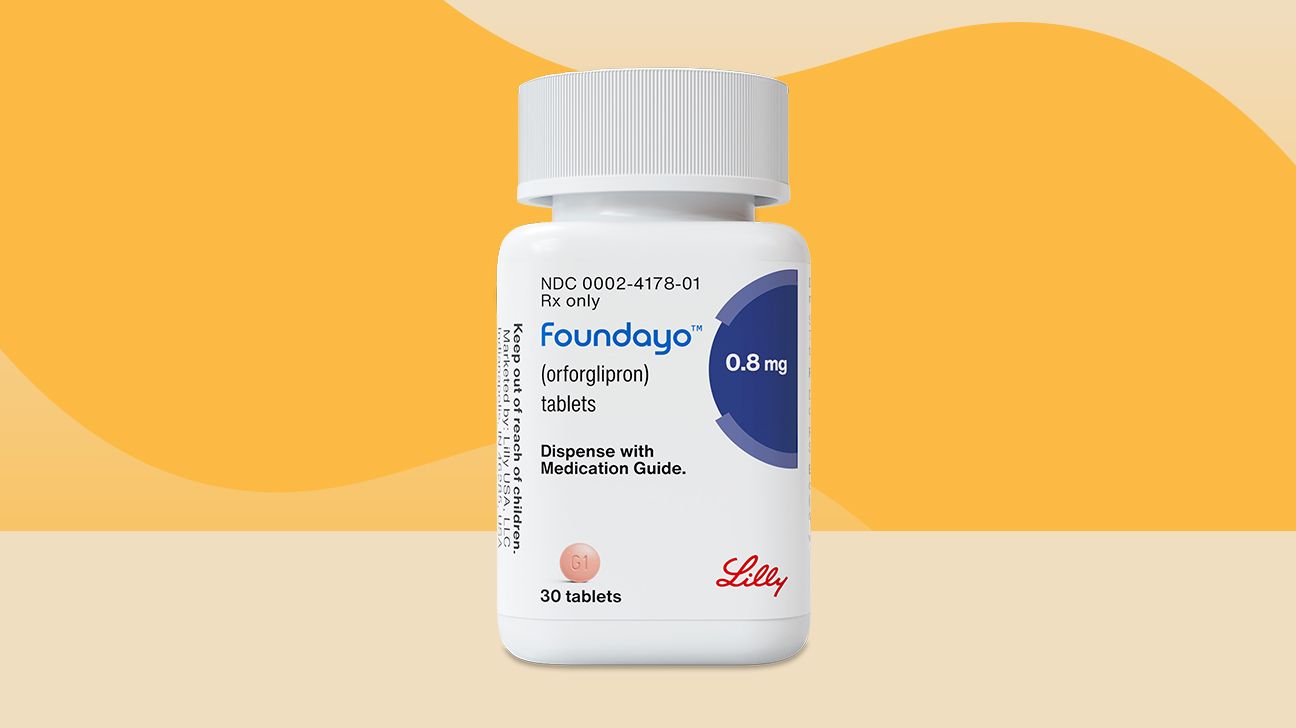
The FDA's expedited approval of Eli Lilly's orforglipron (Foundayo), a once-daily non-peptide oral GLP-1 receptor agonist, is being framed by outlets like Healthline as a simple convenience upgrade in the red-hot weight-loss category. Yet this misses the deeper pattern: we are witnessing the pharmaceuticalization of a complex chronic disease driven by food environments, socioeconomic factors, and sedentary infrastructure. While the source correctly notes the drug's flexibility (taken with or without food, unlike oral semaglutide/Rybelsus), it contains a glaring error—reporting the pivotal ATTAIN trials as lasting '72 days.' These were in fact 72-week phase 3 RCTs (NEJM 2024 publication; double-blind, placebo-controlled; combined n≈2,800 adults with obesity or overweight plus comorbidities; fully industry-sponsored by Eli Lilly with multiple authors reporting financial COIs). At the 17.2 mg dose, mean weight loss reached 27 lb (≈12.5% body weight) versus 2 lb on placebo. This is clinically meaningful but trails tirzepatide's SURMOUNT-1 results (NEJM 2022; n=2,539; up to 21% loss; also Lilly-funded), underscoring that orforglipron is solid but not revolutionary on efficacy alone.
What original coverage omitted is the adherence context. Real-world observational analyses of injectable and oral GLP-1s (JAMA Network Open 2023; n>180,000 commercially insured adults; minimal direct industry COI) show 12-month persistence below 40% due to GI side effects (nausea, diarrhea) and administration barriers. Foundayo's no-injection, food-flexible profile could meaningfully shift this curve, expanding reach to needle-averse patients and primary-care settings. At population scale—where CDC data indicate 42% U.S. adult obesity prevalence and $173 billion annual direct costs—this matters. A pill priced at $25–$149/month with insurance removes some access friction that has kept these therapies largely for affluent or heavily insured patients.
However, the boxed warning for thyroid C-cell tumors (based on rodent data, consistent across the GLP-1 class) receives superficial treatment. Independent meta-analyses of observational cohorts (Diabetes Care 2022; multiple large European registries, n>1.5 million; no pharma funding) have not shown clear human signal but remain underpowered for rare events. Lilly's fast-tracked review under the National Priority Voucher (50 days post-submission) reflects urgent public-health need but also raises questions about post-market surveillance capacity for a drug likely to be used by millions.
Synthesizing the NEJM ATTAIN papers, the 2024 Lancet Commission on Obesity (independent expert panel, no direct COI), and CDC epidemiological reports reveals the core tension others miss: pharmacological tools are necessary but radically insufficient without parallel investment in upstream determinants. The source quotes experts calling Foundayo 'another tool in the toolbox,' yet fails to interrogate whether an exploding category of increasingly convenient GLP-1s risks crowding out sustainable lifestyle, behavioral, and policy interventions. History with statins and antihypertensives shows medications excel at risk reduction but population-level disease reversal requires environmental change.
Genuine transformation therefore depends on three under-discussed factors: (1) long-term cardiometabolic outcome trials still pending for orforglipron (unlike semaglutide's SELECT trial), (2) equitable distribution beyond initial LillyDirect discounts, and (3) mandatory integration with structured nutrition and activity programs. Without these, Foundayo risks becoming an expensive maintenance therapy for a disease whose root causes remain unaddressed. The convenience is real; whether it delivers durable public-health impact at scale remains an open, data-hungry question.
VITALIS: Foundayo's oral convenience could meaningfully lift real-world adherence in the 40% of U.S. adults with obesity, but its industry-funded 72-week RCTs leave open questions on sustained loss and rare risks once millions start using it outside trial conditions.
Sources (3)
- [1]FDA Approves Foundayo, a Wegovy Alternative GLP-1 Pill for Weight Loss(https://www.healthline.com/health-news/fda-approves-foundayo-glp-1-weightloss-pill)
- [2]Orforglipron for the Treatment of Adults With Obesity — A Phase 3 Randomized Clinical Trial (ATTAIN-1)(https://www.nejm.org/doi/full/10.1056/NEJMoa2405334)
- [3]The Lancet Commission on Obesity: Shifting from Treatment to Prevention(https://www.thelancet.com/commissions/obesity)