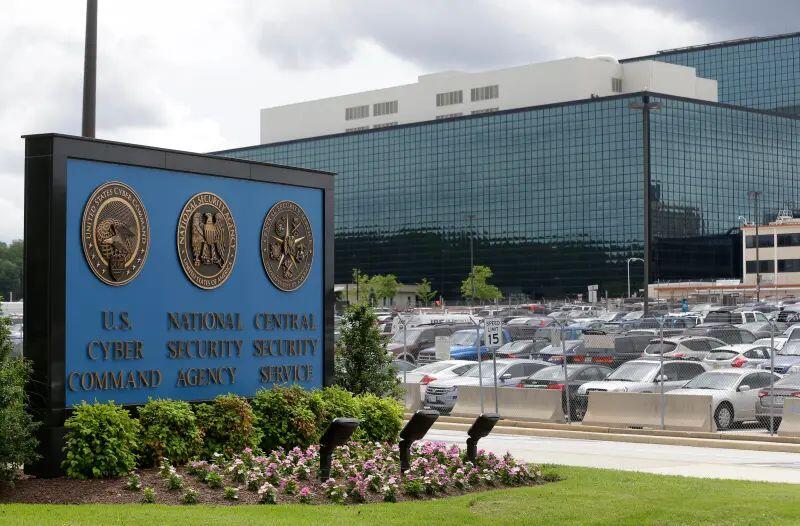
House Lawmakers Press Appropriators to Keep $11 Million for NSA Mental Health Care After 11 Deaths
At least 11 NSA and US Cyber Command personnel died by suicide in the fiscal year ending in September, prompting eight House members to ask appropriators to keep $11 million for cleared mental health care at Fort Meade. The request, originally sought by Cyber Command, is framed as a readiness issue because classified work can isolate personnel and limit access to care. The episode raises concerns about institutional stress and operational continuity within the agency’s cyber and intelligence workforce.
At least 11 people working for the National Security Agency and US Cyber Command died by suicide in the fiscal year ended September, including 10 at Fort Meade and one near an NSA facility in Georgia. Eight House Armed Services cyber subcommittee members wrote to House and Senate appropriations leaders Thursday, asking them to preserve $11 million for mental health care at Fort Meade in the final fiscal 2027 defense spending bill. The letter was led by Rep. Eugene Vindman and included Republicans Don Bacon and Rich McCormick and Democrats Sarah Elfreth and Ro Khanna.
The $11 million was US Cyber Command’s own request, made by Gen. Joshua Rudd, who leads both Cyber Command and NSA, according to the Baltimore Banner. It would fund embedded behavioral health professionals with security clearances, an approach authorized by last year’s defense policy bill and already included in the House version of the fiscal 2027 defense spending bill. The lawmakers’ letter says classified work can prevent personnel from discussing stress with family or with medical professionals who lack clearances or facility access, limiting timely care and weakening readiness, retention, and operational effectiveness.
The deaths were first tallied by Bloomberg. Much Fort Meade work occurs in windowless sensitive compartmented information facilities, or SCIFs, where phones are kept outside and details cannot be discussed at home. A Pentagon memo from Katherine Sutton, assistant secretary for cyber policy, to Rudd says continuous, high-tempo active cyber operations impose a cumulative cognitive and psychological toll and ordered a framework by the end of October, according to the Baltimore Banner. Officials have not tied the deaths to a single cause, and agency leaders have pointed to personal and financial troubles in individual cases.
The stakes are institutional: the same personnel operate cyber missions and intelligence systems whose effectiveness depends on continuous staffing and trust. The letter frames the mental health request as a readiness issue, not only a welfare issue, and asks appropriators to keep funding in the final bill. Individual cases described in the tally include Tech Sgt. Kevin Stallings, who died by self-inflicted gunshot wound after financial and marital stress; Capt. Kevin Paulson, who had reported long shifts and sleep problems; and five deaths in a five-week stretch in June and July.
It affects NSA and Cyber Command personnel and the missions they staff, because lawmakers link classified isolation and limited cleared mental health care to readiness, retention, and operational effectiveness.
Sources (1)
- [1]Chilling Suicide Wave Inside The NSA Has Lawmakers Demanding Answers(https://www.zerohedge.com/markets/chilling-suicide-wave-inside-nsa-has-lawmakers-demanding-answers)