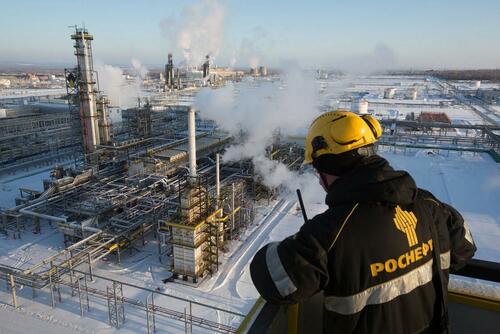
Russian Fuel Shortages Escalate Amid Ukrainian Strikes on Refineries, Exposing War Logistics Strain
Corroborated reports from Reuters, BBC, Moscow Times, and others confirm Ukrainian drone strikes causing Russian fuel rationing and production declines in 2026, signaling direct wartime strain on energy logistics amid sanctions.
Russian authorities are scrambling to downplay emerging fuel shortages as Ukrainian drone campaigns target oil infrastructure, leading to purchase caps at gas stations in Moscow, northern regions, and occupied Crimea. Credible reporting confirms rationing measures, including limits of 20-100 liters per customer and coupon systems in Crimea and Sevastopol, driven by reduced refining capacity from strikes.[1][2]
Deputy Prime Minister Alexander Novak publicly acknowledged in early June 2026 that Russia's crude oil production has declined since the start of the year due to unscheduled refinery repairs, marking the first official admission of output shortfalls.[3] This aligns with broader efforts to divert barrels domestically, with western port exports projected to drop sharply to around 1.7 million barrels per day in June from 2.5 million in May.
Regional governors, including Leningrad's Alexander Drozdenko, have issued assurances of stable supplies to counter panic, echoing similar statements across affected areas.[4] Independent outlets like Meduza report independent gas stations facing total restocking failures, while BBC coverage highlights how strikes on refineries and depots exacerbate shortages in southern and occupied territories, impacting civilian transport and even tourism.[5]
These developments connect directly to the Russo-Ukrainian conflict's sustainability: Ukrainian long-range strikes have degraded a significant portion of Russia's refining capacity since mid-2025, compounding sanctions' revenue pressures by forcing export cuts and highlighting vulnerabilities in wartime logistics and energy supply chains. Analyses from Reuters and others note the pattern of attacks reducing domestic fuel availability, potentially straining military operations reliant on stable supplies.[6]
Analyst: Sustained strikes could further erode Russia's export revenues and military fuel resilience, accelerating pressure on conflict sustainability beyond sanctions alone.
Sources (5)
- [1]Russian-held Crimea tightens fuel curbs after Ukrainian strikes cause shortages(https://www.reuters.com/business/energy/russian-held-crimea-tightens-fuel-curbs-after-ukrainian-strikes-cause-shortages-2026-06-04/)
- [2]Gas Stations in Moscow and Northern Russia Introduce Fuel Rationing(https://www.themoscowtimes.com/2026/06/03/gas-stations-in-moscow-and-northern-russia-introduce-fuel-rationing-a92911)
- [3]Russia acknowledges for first time that oil output is down due to unscheduled refinery repairs(https://www.reuters.com/business/energy/russias-novak-says-oil-production-lower-than-start-year-due-unscheduled-2026-06-04/)
- [4]Russia's fuel crisis intensifies as Ukraine steps up strikes on oil infrastructure(https://www.bbc.com/news/articles/cn75l36vdd8o)
- [5]Surge in Ukrainian oil refinery attacks sparks Russian fuel shortages(https://www.bbc.com/news/articles/czx020k4056o)