Echoes of the GFC: Are Today's Tight Spreads, Leverage, and Innovations Masking Familiar Risks?
Market conditions in 2026 mirror pre-GFC dynamics in liquidity, spreads, leverage, and product innovation, raising questions about whether structural lessons from 2008 have been fully absorbed by regulators and investors.
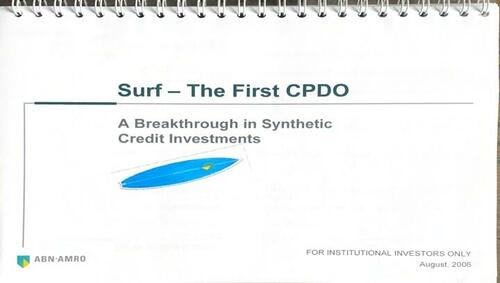
Two decades after the structured finance excesses that helped precipitate the Global Financial Crisis, market conditions show striking parallels: abundant liquidity, compressed credit spreads, rising leverage, and investor embrace of complex products designed to boost returns in a low-yield environment. The original analysis highlights Constant Proportion Debt Obligations (CPDOs)—AAA-rated instruments launched around 2006 that increased leverage as markets weakened—as emblematic of pre-crisis complacency, where models assigned negligible probability to spread widening. These vehicles suffered rapid failures, with one financial-sector CPDO defaulting months after issuance.[1][2]
Corroborating evidence from Federal Reserve research and contemporaneous reporting confirms that rating agencies' models severely underestimated tail risks; Moody's later identified coding errors that had inflated ratings, while S&P and others faced scrutiny for assigning AAA status to products vulnerable to the 2007 credit crunch.[3][4] Similar dynamics appear today in the rapid growth of leveraged and single-stock ETFs. Assets in these products have surged, with rebalancing flows potentially amplifying volatility during stress—echoing the mechanical leverage of prior innovations.[5][6]
Broader analyses from policymakers and observers suggest post-GFC reforms have not fully addressed root vulnerabilities. A UK parliamentary submission argues that G20 reforms left intact the 'toxic symbiosis' between banks and shadow banks, enabling continued debt growth and instability.[7] The FDIC has noted recurring themes across crises—leverage, liquidity risk, poorly understood products, and regulatory complacency—warning against false security amid current stability.[8] The Federal Reserve's May 2026 Financial Stability Report flags elevated asset valuations, tight corporate bond spreads, and high hedge-fund leverage as ongoing concerns.[9]
These patterns align with the source's core insight: benign conditions narrow the perceived range of plausible risks, embedding optimism in models and behavior. While banks are better capitalized than in 2008, leverage has shifted toward non-bank entities and complex vehicles. Whether these lessons have been internalized remains an open question, with implications for resilience amid geopolitical and policy uncertainties.
[Policy Analyst]: Persistent model risk and non-bank leverage suggest that without renewed focus on tail scenarios and shadow banking oversight, the next stress event could propagate faster than post-GFC buffers anticipate.
Sources (7)
- [1]Constant proportion debt obligation - Wikipedia(https://en.wikipedia.org/wiki/Constant_proportion_debt_obligation)
- [2]FRB: Finance and Economics Discussion Series - Constant Proportion Debt Obligations: A Post-Mortem Analysis of Rating Models(https://www.federalreserve.gov/pubs/feds/2010/201005/index.html)
- [3]Why the US Can’t Avoid Another Financial Crisis - The National Interest(https://nationalinterest.org/feature/why-the-us-cant-avoid-another-financial-crisis)
- [4]Three Financial Crises and Lessons for the Future | FDIC.gov(https://www.fdic.gov/news/speeches/2025/three-financial-crises-and-lessons-future)
- [5]Financial Stability Report - Board of Governors of the Federal Reserve System (May 2026)(https://www.federalreserve.gov/publications/files/financial-stability-report-20260508.pdf)
- [6]US leveraged single-stock ETF boom may be cooling | Reuters(https://www.reuters.com/legal/transactional/us-leveraged-single-stock-etf-boom-may-be-cooling-2026-08-25/)
- [7]Global Financial Crisis Lessons for Today’s Investors - Hudson Financial Planning(https://hudsonfinancialplanning.com.au/resources/education-reports/global-financial-crisis-lessons-investors/)