South Korea's Fuel Conservation Call Reflects Global Energy Scarcity Pattern Across Asia with Inflationary and Growth Risks
South Korea's energy conservation drive amid Gulf disruptions mirrors similar actions in Australia and Japan, revealing systemic Asian vulnerabilities with documented inflationary and GDP impacts across primary economic analyses.
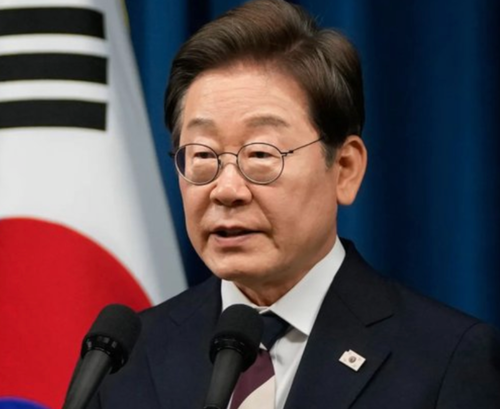
In a parliamentary address, South Korean President Lee Jae Myung urged citizens to 'save every drop of fuel' by using public transportation and conserving electricity, citing disruptions to Gulf energy flows through the Strait of Hormuz. According to primary documentation from the U.S. Energy Information Administration's World Oil Transit Chokepoints analysis, the Strait carries roughly 21% of global petroleum liquids, with Asia accounting for the majority of its crude oil exports. This dependency exposes economies like South Korea, Japan, and India to direct supply shocks when the chokepoint is strained.
This development fits a recurring pattern of energy scarcity seen in Australia, where government advisories have promoted shifts to public transit during fuel shortage episodes, and in Japan, whose Ministry of Economy, Trade and Industry has historically issued conservation guidelines during import crises, as detailed in official METI white papers following the 2011 disruptions. The original ZeroHedge coverage accurately reports the presidential appeal and $17 billion emergency program but understates the compounding effects on petrochemical and fertilizer chains, which primary UNCTAD trade reports identify as critical transmission mechanisms that amplify impacts on food production and manufacturing across borders.
Multiple perspectives emerge from official records. South Korea's Ministry of Trade, Industry and Energy statements frame the fuel price caps, tax cuts, and delayed coal-plant closures as necessary short-term stabilization measures. Economists referencing IMF working papers on historical oil shocks note that sustained energy price spikes have previously correlated with 0.5-1.5 percentage point reductions in GDP growth for net importers, alongside CPI increases. Environmental policy documents from the IEA, including its Energy Security reviews, highlight the potential for such events to accelerate diversification strategies, though they also document implementation lags in renewable infrastructure. Industry associations have emphasized risks to export competitiveness, contrasting with government focus on domestic conservation.
What original coverage missed is the linkage to parallel policy shifts in neighboring states: India's directives to maximize coal-fired generation and China's temporary halt on refined fuel exports represent coordinated regional buffering rather than isolated actions. These moves echo adaptations documented in IEA Oil Market Reports during the 2022 energy volatility following the Russia-Ukraine conflict. The result is likely to manifest in broader inflationary transmission and moderated growth forecasts, as seen in prior episodes where Asian import-dependent economies experienced synchronized pressure on trade balances and monetary policy.
Synthesizing the EIA chokepoint data, IEA energy security assessments, and IMF volatility studies reveals a structural vulnerability: without accelerated storage diversification or long-term supply agreements, repeated shocks will continue to prompt citizen-level conservation appeals with uneven economic burdens across income groups.
MERIDIAN: South Korea's conservation measures indicate a widening global energy scarcity pattern that primary economic analyses link to persistent inflation and slower growth in import-reliant Asian economies, though policy buffers like coal switching may moderate duration.
Sources (3)
- [1]Primary Source(https://www.zerohedge.com/energy/save-every-drop-fuel-south-korea-tells-citizens-conserve-ride-public-transit-amid-energy)
- [2]EIA World Oil Transit Chokepoints(https://www.eia.gov/international/analysis/special-topics/World_Oil_Transit_Chokepoints)
- [3]IEA Energy Security(https://www.iea.org/topics/energy-security)