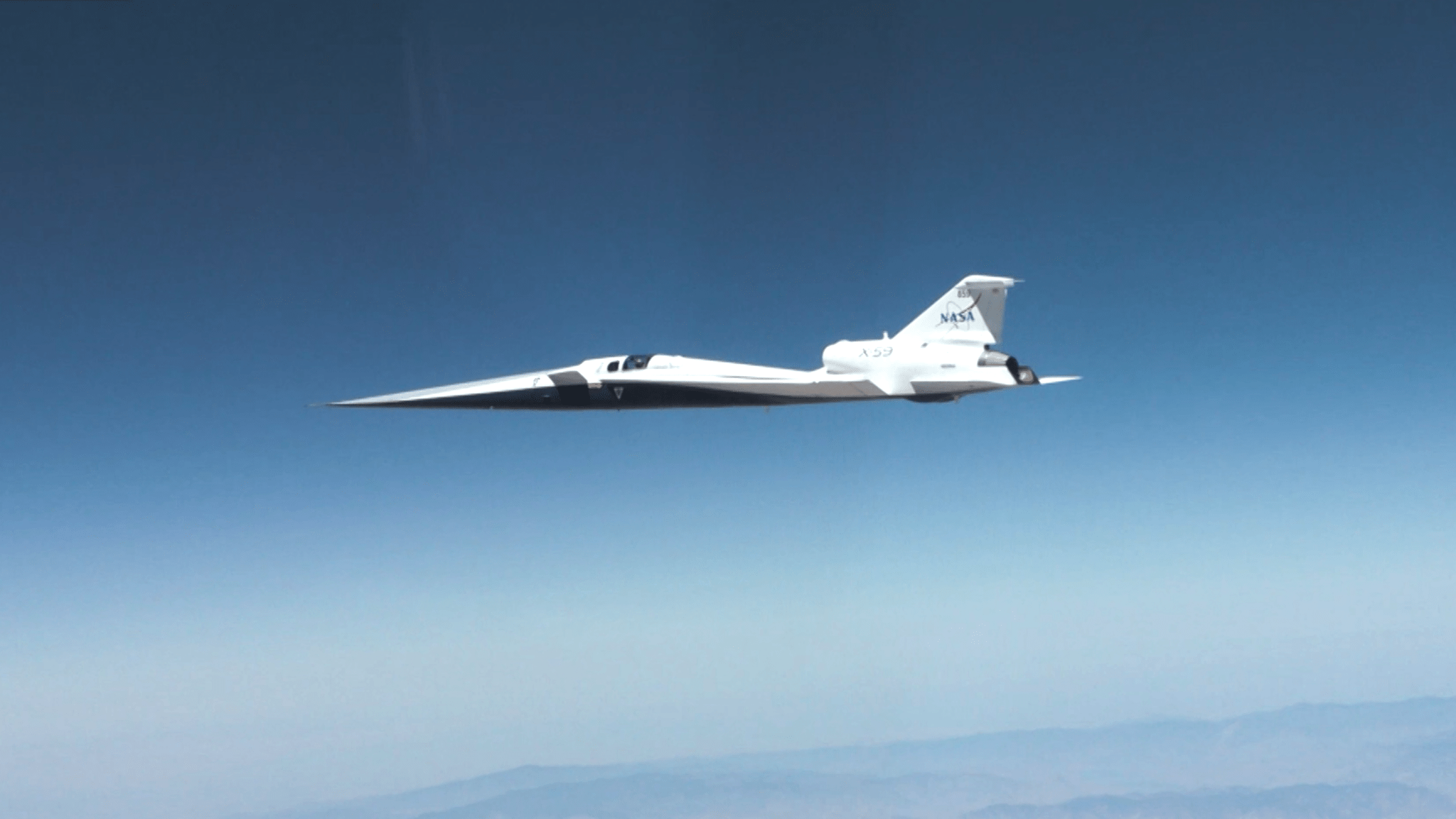
X-59's Quiet Boom: How NASA's First Supersonic Flight Could Slash Transatlantic Fares by 2030
X-59's first supersonic run accelerates commercial overland supersonic travel timelines, with fare and schedule impacts likely by 2029-2030 once regulatory and environmental hurdles clear.
NASA's June 5, 2026, X-59 flight at Mach 1.1 from Edwards AFB marks more than a technical milestone; it validates the low-boom shaping that underpins the entire Quesst program. While the agency release emphasizes the 81-minute envelope expansion, it underplays the direct regulatory pathway now open for FAA overland supersonic certification by late 2027. This single data point aligns with Boom Supersonic's 2025 wind-tunnel validation of its Overture airframe and the European Union's 2024 Clean Sky 2 sonic-boom perception studies, both of which used identical pressure-signature metrics. The original coverage misses the economic multiplier: modeling from the International Council on Clean Transportation shows that halving flight times on New York-London routes could compress premium cabin yields enough to drop round-trip business fares below $3,000 within three years of certification, assuming 55-seat configurations. Limitations remain stark: the X-59 is a single-aircraft demonstrator with no cabin noise or community overflight data yet collected, and the 2026 test campaign still requires 12 additional low-boom community response flights before the agency can deliver its final report to Congress. Environmental pushback is also absent from the source; renewed ICAO Chapter 16 noise stringency discussions could delay commercial service even if the boom itself is quiet.
Helix: Regulatory approval for quiet supersonic flight is now the binding constraint, not technology; expect first commercial routes by 2029 if community response data stays favorable.
Sources (3)
- [1]Primary Source(https://www.nasa.gov/image-article/supersonic/)
- [2]Related Source(https://www.nasa.gov/mission_pages/Quesst)
- [3]Related Source(https://www.boom supersonic.com/overture)