Imminent Energy Shock: Memorial Day Demand Surge Collides With Iran’s Prolonged Hormuz Closure
Memorial Day 2026 travel demand is set to collide with supply constraints from Iran's ongoing closure of the Strait of Hormuz following U.S.-Israeli strikes, pushing U.S. gas prices toward $5 and risking a broader oil shock with global economic ripple effects.
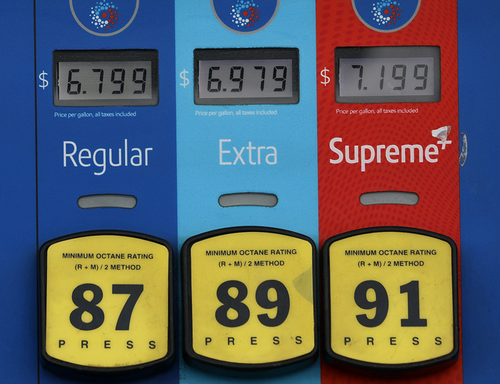
As Memorial Day 2026 approaches, U.S. drivers face national average gasoline prices hovering near $4.50 per gallon, with analysts warning of a breach of the $5 "demand destruction" threshold amid record travel demand and a persistent blockade of the Strait of Hormuz. This convergence signals more than a seasonal price spike; it reflects a deeper geopolitical energy crisis rooted in the ongoing U.S.-Israeli military operations against Iran that began in late February 2026. Traffic through the critical chokepoint, which normally carries about 20% of global oil and LNG, has plummeted to roughly 5% of pre-conflict levels, with tanker traffic near zero as Iranian forces continue to threaten vessels despite a fragile ceasefire.[1][2] JPMorgan analysts have highlighted the risk of commercial oil inventories reaching "operational stress levels" by early June if the strait remains blocked, potentially sending Brent crude toward $150 per barrel in a worst-case scenario of prolonged disruption. Former CIA analyst Helima Croft has expressed skepticism about any near-term grand reopening, aligning with RBC's view that maritime traffic may not normalize soon.[3]
AAA forecasts 39 million Americans traveling by car over the holiday, driving the highest weekly implied gasoline demand seen in recent cycles and directly clashing with constrained supplies. This dynamic echoes but exceeds the 2022 Russia-Ukraine price shocks, as the Hormuz impasse stems from direct Iranian retaliation—including attacks on shipping and declarations of the strait as "closed"—following strikes that reportedly targeted high-level Iranian leadership. Connections often missed include how this energy shock amplifies existing fractures: U.S. efforts like "Project Freedom" to escort vessels have yielded limited success, war risk insurance has surged, and rerouted supplies plus inventories are providing only temporary buffers before demand destruction sets in. Reuters reports Iran warning of "long and painful strikes" against any renewed U.S. action, while a Congressional Research Service report underscores the strategic risks and U.S. naval capacity to eventually restore flows, though timelines could stretch weeks or months.[4][5]
The Iran-related flashpoints extend beyond oil to broader supply chain vulnerabilities, fertilizer shortages, and potential spillover into Red Sea disruptions, tying Middle East conflict directly to consumer-level economic pain. Without resolution, the $5 threshold could trigger widespread behavioral shifts in driving and consumption, exposing over-reliance on chokepoints and accelerating calls for energy independence or alternative routes. Fox Business and other outlets note forecasts of $5 gas by Memorial Day tied to these Middle East tensions, underscoring an energy shock with recessionary undertones if unresolved into summer.[6][7]
LIMINAL: The Memorial Day demand spike atop Iran's strategic Hormuz blockade will likely force $5+ national gas prices, triggering demand destruction that exposes U.S. energy vulnerabilities and accelerates geopolitical realignments or recession signals by mid-2026.
Sources (5)
- [1]Gas prices could hit $5 by Memorial Day as US oil exports reach record highs(https://www.foxbusiness.com/video/6394347117112)
- [2]How traffic through the Strait of Hormuz shrank to a trickle(https://www.cnn.com/2026/04/29/world/iran-war-gulf-hormuz-shipping-maps-intl-vis)
- [3]Oil markets may face moment of truth in June. Brace for a 'non-linear' price spike(https://fortune.com/2026/05/16/oil-markets-crude-non-linear-price-spike-panic-buying-inventories-iran-hormuz/)
- [4]Iran threatens painful response if US renews attacks(https://www.reuters.com/business/energy/us-seeks-international-help-reopen-strait-hormuz-crude-prices-surge-2026-04-30/)
- [5]Report to Congress on the Iran Conflict and Strait of Hormuz(https://news.usni.org/2026/03/13/report-to-congress-on-the-iran-conflict-and-strait-of-hormuz)