Persistent Spillover: Iranian Strikes on Kurdish Dissidents in Iraq Reveal Enduring Proxy Conflicts Beyond Ceasefires
Despite an Iran-related ceasefire, drone and missile strikes continue killing Iranian Kurdish fighters in Iraq, with PDKI reporting multiple April 2026 attacks; concurrent US sanctions on pro-Iran Iraqi militias expose ongoing proxy networks and regional destabilization risks beyond Gaza-focused narratives.
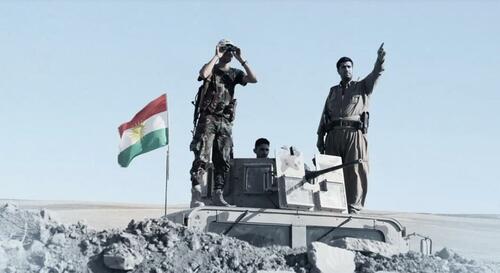
While headline-grabbing direct confrontations between Iran and its adversaries appear to have cooled under a fragile ceasefire, proxy violence continues unabated in northern Iraq, where Iranian forces have repeatedly targeted exiled Kurdish opposition groups. Recent strikes killed three Iranian Kurds, including two women fighters from the Democratic Party of Iranian Kurdistan (PDKI), in the Soran area near the border. The PDKI reported fresh waves of missile and drone attacks on their civilian camps, part of a sustained campaign that has included multiple strikes in April 2026 alone, even after the ceasefire took effect. These actions, attributed directly to Iran, underscore Tehran's determination to suppress Kurdish opposition movements operating from Iraqi territory, a pattern predating the latest round of regional fighting.
Compounding the instability, the US Treasury Department announced sanctions on seven commanders from prominent Iran-aligned Iraqi Shia militias, including Asa'ib Ahl al-Haq, Kata'ib Hezbollah, Kata'ib Sayyid al-Shuhada, and Harakat al-Nujaba. These groups have been accused of orchestrating attacks on US personnel, illustrating the entrenched proxy networks Iran maintains within Iraq. Treasury Secretary Scott Bessent stated that such militias would not be allowed to threaten American interests with impunity.
This dynamic reveals deeper, often overlooked patterns of Middle East destabilization. Earlier US signals about potentially arming Iranian Kurdish dissidents appear to have intensified Iranian retaliation, placing Kurdish communities under greater threat. Unlike high-profile Gaza coverage, these spillover incidents in the Zagros mountains highlight how proxy conflicts can simmer indefinitely, undermining Iraqi sovereignty, Kurdish autonomy in the north, and any broader de-escalation efforts. Connections to longstanding Iranian-Kurdish tensions, combined with militia influence in Baghdad, suggest risks of escalation that could draw in additional regional and international actors if unaddressed. The persistence of these attacks post-ceasefire indicates that surface-level truces do little to dismantle the underlying architecture of proxy warfare.[1][2]
Liminal Analyst: These low-intensity proxy strikes on Kurdish camps signal that ceasefires address symptoms but not the entrenched Iran-militia networks in Iraq, raising risks of gradual escalation into wider destabilization that could intersect with Kurdish autonomy issues and draw renewed US involvement.
Sources (4)
- [1]Strikes kill three Iranian Kurds in northern Iraq(https://www.arabnews.com/node/2640274/amp)
- [2]U.S. Sanctions Target Iran-Backed Militias in Iraq(https://www.wsj.com/livecoverage/iran-war-us-talks-2026/card/u-s-sanctions-target-iran-backed-militias-in-iraq-Y68P1h17fOtBmhABSgyw)
- [3]Opposition group says Iran strikes kill three Kurdish fighters in northern Iraq(https://www.timesofisrael.com/liveblog_entry/opposition-group-says-iran-strikes-kill-three-kurdish-fighters-in-northern-iraq/)
- [4]Iran Continues Targeting Kurdish Civilians in Iraq's Kurdistan Region(https://pdki.org/english/press-release-iran-continues-targeting-kurdish-civilians-in-iraqs-kurdistan-region-in-violation-of-the-u-s-iran-ceasefire/)