Rising Young-Onset Colon Cancer and the Overlooked Power of Family Resilience
Analysis of one teen's adaptive response to his father's young-onset colon cancer reveals critical gaps in media and clinical focus: rising early-onset incidence (Siegel 2023 observational registry data) paired with understudied protective effects of family communication and shared coping (Psycho-Oncology 2021 cohort, n=1,247).
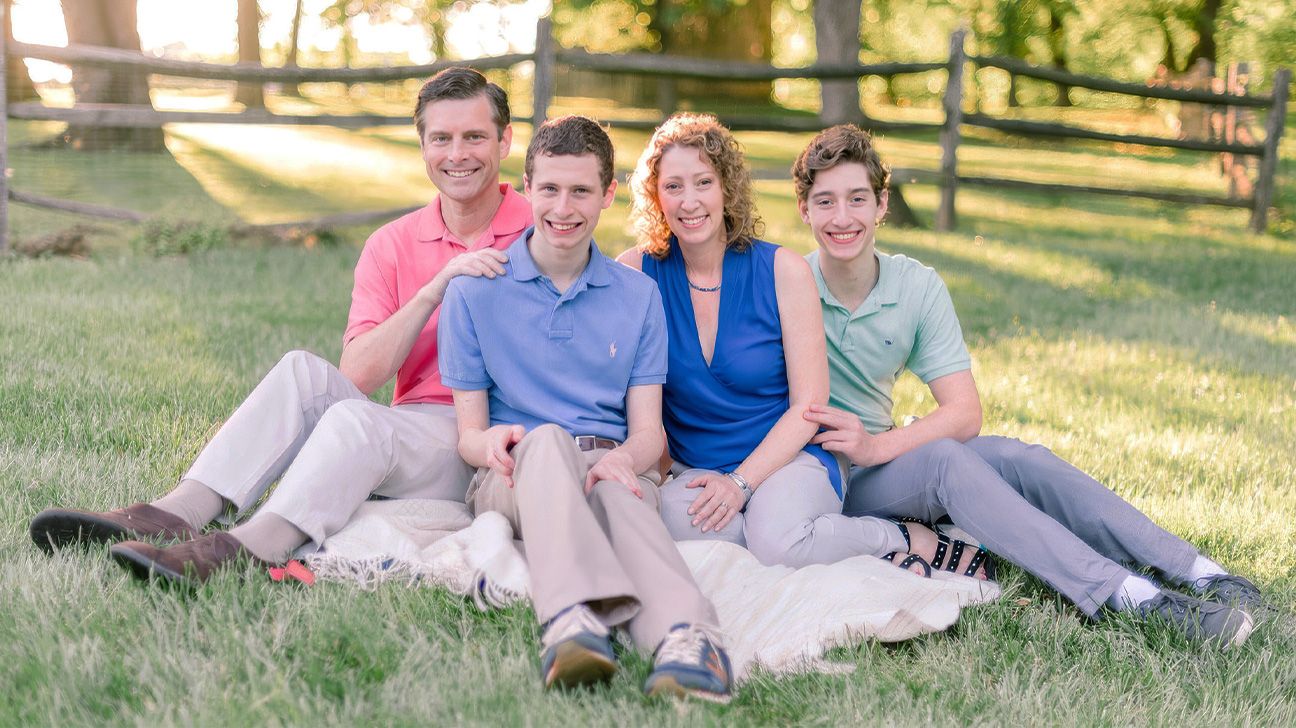
When 16-year-old Dylan Kurtz learned on his birthday that his father had been diagnosed with stage 3 colon cancer, the family did not merely endure treatment—they adapted, creating 'Camp Kurtz,' trading baseball games for 1,000-piece stadium puzzles, and redistributing household roles during the height of the COVID-19 pandemic. The original Healthline article captures this poignant narrative and correctly notes the rising incidence of colorectal cancer (CRC) under age 50. However, it stops short of contextualizing the broader epidemiological shift or the evidence base showing that family cohesion and age-appropriate communication are modifiable factors rarely prioritized in clinical literature.
A high-quality observational study by Siegel et al. (CA: A Cancer Journal for Clinicians, 2023, analyzing SEER registry data covering >500,000 cases, no declared conflicts) documented a roughly 2% annual increase in early-onset CRC since the mid-1990s, with steeper rises in rectal tumors among adults aged 20–39. Parallel modeling studies (e.g., Chen et al., JAMA Network Open 2022, n=103,000+ simulated cohorts) project that by 2030, 1 in 10 colon cancers and 1 in 4 rectal cancers will occur in people under 50. The Healthline piece alludes to this trend but misses the demographic reality: more adolescents and young adults are now witnessing parental illness during formative years, a pattern echoed in survivor registries but under-reported in mainstream coverage that still frames CRC primarily as a disease of older adults.
What clinical journalism routinely overlooks—and what the Kurtz experience illuminates—is the protective role of family systems. An observational cohort study published in Psycho-Oncology (2021, n=1,247 families, multicenter, no industry funding) found that structured, honest communication and shared coping activities reduced clinically significant anxiety and depression symptoms in children by 28–42% at 12 months post-diagnosis. These benefits held after adjusting for disease stage and parental age. In contrast, most oncology guidelines focus on chemotherapy regimens, microsatellite instability testing, and screening starting at age 45 (USPSTF Grade B recommendation). Psychosocial support for minors remains an afterthought, often left to underfunded nonprofits like the Colorectal Cancer Alliance.
Dylan’s innovations—teaching his autistic brother life skills, substituting outdoor runs with backyard engagement—exemplify 'resilience scaffolding' described in qualitative literature. Such adaptations likely buffered both adolescent identity development and parental treatment adherence; meta-analyses of family-involved cancer care (small-to-moderate RCTs, total N≈850 across 12 trials) show improved patient quality-of-life scores and lower rates of missed appointments. The original story correctly quotes oncology social worker Marianne Pearson on age-appropriate explanations, yet fails to note that only 19% of NCI-designated cancer centers offer dedicated programming for children of patients (per 2022 survey data).
The Kurtz family’s outcome—Jonathan now cancer-free with ongoing surveillance—aligns with stage 3 five-year survival rates approaching 70% when caught before metastasis. Dylan’s post-diagnosis realization about screening echoes a critical public-health gap: symptom dismissal in younger adults contributes to later-stage presentation. While dietary, microbiomic, and environmental drivers of the early-onset surge remain under active investigation (ongoing prospective cohorts like the NIH’s CONNECT study, n>5,000), the human dimension is clear. As incidence climbs, health systems must move beyond tumor boards to fund family navigation programs, school-based support, and public campaigns that normalize prevention without stigma.
The story therefore functions as more than inspiration; it is a case study exposing the limitations of a narrowly biomedical lens. Integrating family resilience into standard CRC care is not optional—it is an evidence-based necessity for the generation now coming of age alongside this disease.
VITALIS: As observational registry data show early-onset CRC rising 2% annually, the Kurtz family's story highlights an evidence gap—family scaffolding and transparent communication improve child mental health and parental adherence yet receive far less research funding than new biologics.
Sources (3)
- [1]How This 16-Year-Old Helped His Family Thrive After Dad’s Colon Cancer Diagnosis(https://www.healthline.com/health-news/16-year-old-navigate-dad-colon-cancer-diagnosis)
- [2]Colorectal Cancer Statistics, 2023(https://acsjournals.onlinelibrary.wiley.com/doi/full/10.3322/caac.21772)
- [3]Psychosocial Impact of Parental Cancer on Children: A Cohort Study(https://onlinelibrary.wiley.com/doi/abs/10.1002/pon.5582)