Trump, Xi agree AI should not be autonomous for major military actions, Bessent says
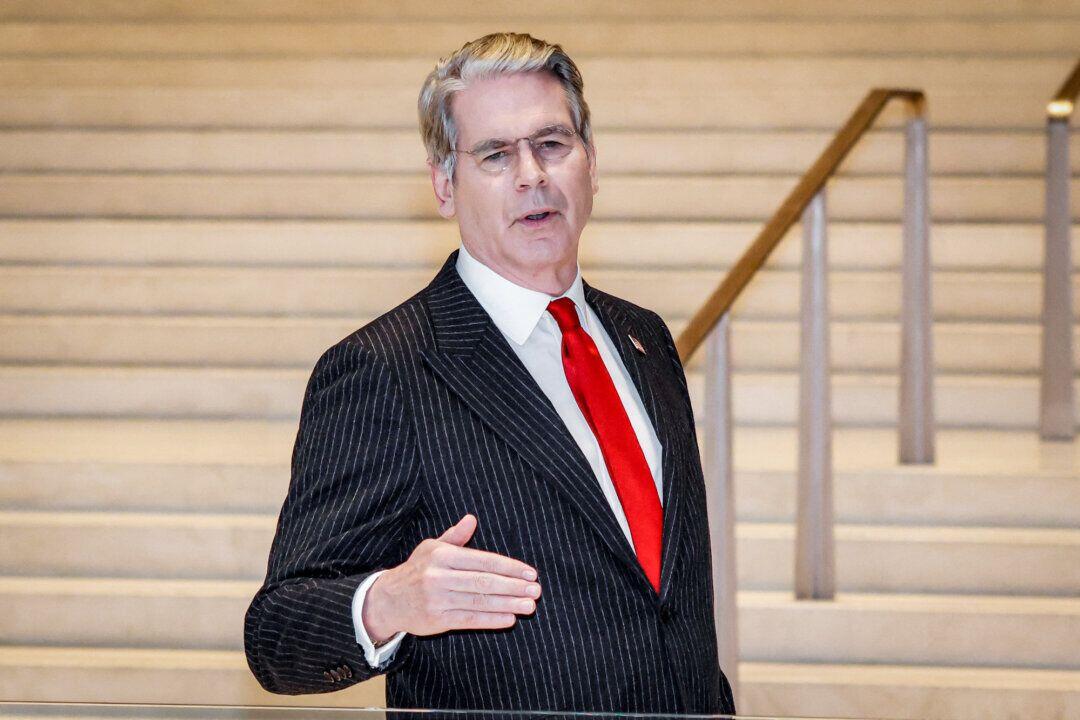
Treasury Secretary Scott Bessent said Trump and Xi agreed humans must remain involved in military decisions and AI should not be autonomous for major military actions. The statement links AI guardrails to broader U.S.-China competition, including nuclear and trade talks. It matters because it touches how major military operations may be authorized as autonomous systems spread.
Bessent told CNBC on Nov. 20, 2026, that Trump and Xi discussed the issue on the sidelines of the Asia-Pacific Economic Cooperation summit in Shenzhen on Nov. 19, before a trilateral meeting with Russian President Vladimir Putin. He said both leaders agreed that humans should always be involved in military decisions made by artificial intelligence, which the administration calls "super intelligence," or SI, and that SI should not be autonomous for major military actions. The Treasury Secretary also said trade and nuclear weapons were discussed.
The primary record for the statement is Bessent's CNBC interview and Trump's own remarks. Trump said at a White House press conference that the two sides agreed to implement some "joint guardrails," while framing artificial intelligence as a competition: the United States is leading and China is second, and "whoever wins SI wins." Bessent said the AI race and the guardrails are separate, warning that foreign models, predominantly Chinese, are increasing and that U.S. frontier labs are the best defense against attacks using those models. The Epoch Times sought additional White House comment and received no response by publication time.
The statement sits beside U.S. moves to deepen autonomous capabilities. Secretary of War Pete Hegseth announced plans for Autonomous Warfare Command, or AUTOWARCOM, to expand military AI and drone use. In June, Sen. Mark Kelly introduced bills, not passed, to preserve human accountability and warfighter skills as AI is integrated. The public agreement therefore cuts two ways: it offers a risk-reducing norm against fully autonomous major operations, while leaving both governments free to race for advantage in AI systems and military integration.
The stakes are strategic stability and the rules governing military machines. A human-in-the-loop standard addresses the risk that a fast-moving AI system triggers escalation without senior political control. For defense planners, it creates a documented expectation for major operations. For AI developers and allied governments, Bessent's framing separates technology competition from operational restraint, even as the United States and China keep competing over frontier models.
It affects defense planners, AI developers, and governments that rely on U.S.-China stability by setting a public expectation that major military operations require human involvement while the AI race continues.
Sources (1)
- [1]Bessent: Trump And Xi Agreed AI 'Should Not Be Allowed To Be Autonomous For Major Military Actions'(https://www.zerohedge.com/political/bessent-trump-and-xi-agreed-ai-should-not-be-allowed-be-autonomous-major-military-actions)