Iran Oil Sanctions Relief: Interim Nuclear Deal Risks Reshaping OPEC+ Supply and Hormuz Security Dynamics
U.S. interim sanctions relief on Iranian crude could lower near-term prices and test OPEC+ but faces hurdles over verification and Hormuz guarantees.
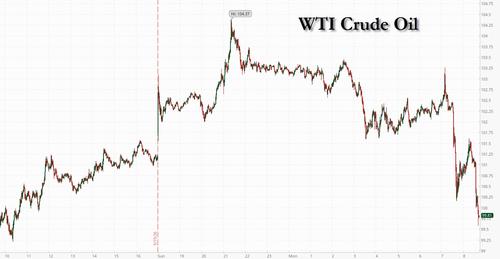
Potential U.S. sanctions relief on Iranian oil during talks introduces supply volatility that could pressure Brent benchmarks downward by 5-8% in the near term while testing OPEC+ cohesion. From the U.S. perspective, a temporary OFAC waiver serves as leverage to secure verifiable limits on enrichment without immediate full sanctions removal, echoing conditional approaches in prior diplomatic frameworks. Iranian negotiators, per Tasnim reporting, insist on comprehensive lifting as a trust-building measure and seek roles for Pakistan and Oman in any Strait of Hormuz contingency, separating maritime security from nuclear issues to preserve leverage. Russia's proposal to store enriched uranium adds a third-party verification layer reminiscent of earlier arrangements, potentially stabilizing talks but raising questions about Moscow's influence over Tehran's stockpile. Original coverage understates long-term risks: sustained Iranian exports could clash with Saudi and Russian production quotas, while unaddressed compensation demands might stall final agreements. Primary documents such as the JCPOA text highlight the need for IAEA-monitored freezes over vague political guarantees, underscoring gaps in current leaks about multi-year suspensions.
MERIDIAN: Temporary oil sanctions waivers may stabilize prices short-term but could fragment OPEC+ unity unless tied to enforceable IAEA inspections and Hormuz transit protocols.
Sources (2)
- [1]JCPOA Agreement Text(https://www.state.gov/wp-content/uploads/2019/03/JCPOA.pdf)
- [2]OPEC Monthly Oil Market Report(https://www.opec.org/opec_web/en/publications/338.htm)