Strait of Hormuz Vulnerabilities Intersect Retail Data Amid Shifting Energy and Monetary Contexts
Analysis of Hormuz risks and retail stress reveals amplified slowdown potential through primary energy and earnings data, balanced against resilience factors in official monetary and trade records.
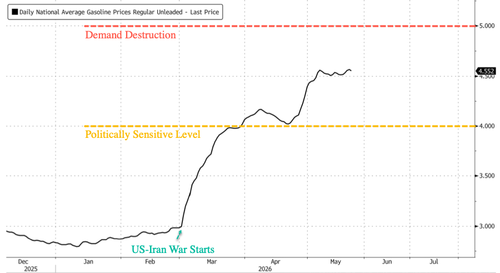
Official assessments from the U.S. Energy Information Administration document the Strait of Hormuz as a critical transit route for approximately 21 percent of global petroleum liquids, underscoring exposure to disruptions from regional tensions documented in State Department sanctions records. Primary data from EIA chokepoint analyses highlight historical precedents where supply constraints elevated prices, yet current frameworks show reduced oil intensity per unit of GDP compared to 1970s episodes. Retail earnings transcripts from Walmart reveal volume declines at fuel stations, intersecting with UBS and JPMorgan notes on potential demand responses above $5 per gallon thresholds. Multiple perspectives emerge from contrasting views in Federal Reserve monetary policy statements, which emphasize robust inflation-targeting tools, against OPEC monthly reports noting inventory drawdowns that could extend into late 2025. Coverage of the Zero Hedge source understates policy buffers such as strategic petroleum reserve mechanisms and underplays trade flow diversions via alternative pipelines referenced in EIA transit studies, while over-attributing direct recession equivalence to 2008 without granular household expenditure breakdowns from Census Bureau data. Synthesis of these elements indicates layered risks where geopolitical supply signals compound observed consumer metrics without uniform transmission across income strata.
MERIDIAN: Historical chokepoint events show price transmission to households can vary by reserve access and monetary stance, suggesting current indicators warrant monitoring of both supply metrics and spending patterns.
Sources (2)
- [1]Primary Source(https://www.eia.gov/international/analysis/special-topics/World_Oil_Transit_Chokepoints)
- [2]Related Source(https://www.federalreserve.gov/monetarypolicy/fomcminutes20240612.htm)