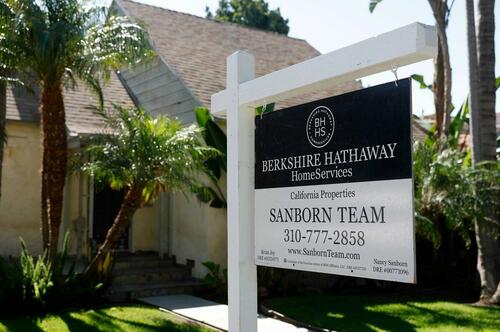
Realtor.com Report Card Exposes Housing Policy Divide: Des Moines Leads, Los Angeles Trails Amid Zoning Battles
Realtor.com's new report ranks Des Moines #1 (A+) and Los Angeles #100 (F) among 100 metros for affordability and homebuilding, attributing gaps to zoning/permitting differences with ties to national housing shortage and economic mobility.
Realtor.com released its inaugural Metro Affordability and Homebuilding Report Card on September 16, 2026, grading the 100 largest U.S. metros on current housing affordability for local earners and the pace of new home construction to meet future demand. Des Moines, Iowa, topped the list with an A+ and score of 83.4, driven by strong affordability (median home $349,903 requiring just 27.5% of median household income for mortgage payments) and robust permitting (permit-to-population ratio of 1.85). Los Angeles ranked dead last with an F and score of 12.0, plagued by extreme unaffordability (median listing $1.129 million demanding 84.4% of income) and weak supply growth (ratio of 0.47).[1][2]
The report underscores how local zoning, permitting, and land-use policies create stark regional divides, with South and Midwest metros benefiting from flexible regulations and available land, while Northeast and West Coast cities face restrictive frameworks. Senior economist Joel Berner noted that 'A' metros exhibit regulatory flexibility and streamlined approvals, contrasting with 'F' metros locked in rigid rules—exemplified by Boston's zoning code being four times longer than Austin's, with minimum parking mandates on 88% of land versus 37% in Austin.[3]
Broader connections reveal this as part of a national housing shortage exceeding 4 million homes, where policy barriers amplify economic pressures on buyers and homeowners. In high-cost areas like LA and New York, limited supply sustains price spikes despite high incomes, squeezing middle-class mobility and tying into inflation, wage stagnation, and migration trends toward affordable Sun Belt and Midwest regions. Top performers like Raleigh, Houston, and Indianapolis pair attainable pricing with aggressive building, signaling that deregulation could ease affordability nationwide.[4]
Thirteen metros failed overall, including Providence, Honolulu, and Boston, with California claiming seven F grades, highlighting how restrictive policies compound coastal challenges even as some metros show modest construction gains. Realtor.com Chief Economist Danielle Hale emphasized that lasting affordability requires pairing attainable homes with sustained new supply.
LIMINAL: Restrictive zoning in high-cost metros will sustain affordability crises and drive internal migration unless paired with deregulation, linking local policy directly to national economic resilience and household wealth gaps.
Sources (5)
- [1]Realtor.com Metro Report Cards(https://www.realtor.com/research/metro-report-cards-2026/)
- [2]Realtor.com PR Newswire Release(https://www.prnewswire.com/news-releases/realtorcom-metro-report-cards-des-moines-earns-top-marks-as-homebuilding-and-affordability-divide-americas-largest-metros-302879664.html)
- [3]Realtor.com News on LA(https://www.realtor.com/news/trends/los-angeles-worst-metros-homebuilding-affordability-2026/)
- [4]Fox Business Coverage(https://www.foxbusiness.com/real-estate/americas-best-worst-cities-housing-affordability-ranked)
- [5]NY Post on LA Ranking(https://nypost.com/2026/09/16/lifestyle/la-ranked-least-affordable-us-metro-as-typical-home-hits-1-1m/)