Houthi Claims Escalate Saudi Oil and Airport Vulnerabilities Amid Renewed Yemen Conflict
Houthi spokesman claims detail strikes on Saudi airports and oil chain (Riyadh airport, Yanbu, Abqaiq, pipeline); mainstream outlets confirm attacks, casualties, fires at Aramco sites amid 2026 escalation, though Saudi reports emphasize interceptions and limited damage.
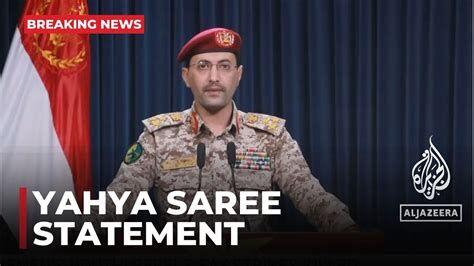
In late October 2026, Yemen's Iran-backed Houthis, through military spokesman Brigadier General Yahya Saree, issued multiple statements claiming successful strikes on Saudi targets including King Khalid International Airport in Riyadh (targeted repeatedly, with Saudi reports confirming casualties and damage from at least one major attack killing 12-13 people), other airports such as King Fahd in Dammam and facilities in Najran and Abha, and a range of energy infrastructure.
Credible reporting from Reuters, The New York Times, and Al Jazeera documents Houthi claims targeting Aramco facilities in Dhahran (headquarters hit, causing a fire in an administrative building per Saudi energy ministry statements), Yanbu, Rabigh refinery, Ras Tanura refinery (fires reported and contained per Saudi sources), Abqaiq processing plant, the East-West pipeline and pumping stations, and related sites. Saudi authorities have consistently reported interceptions, limited fires, and debris incidents while downplaying impacts, with no independent verification of full operational shutdowns but noted effects on exports and aviation.[1][2][3]
OilPrice.com and other analyses highlight claims of hits on the East-West pipeline corridor, which Saudi Arabia has relied on amid other disruptions, correlating with reduced crude loadings and export averages around 5.5 million barrels per day in October. Airport attacks caused the deadliest incidents in the kingdom in over a decade, grounding flights and prompting evacuations and warnings from airlines.[4][5]
The pattern aligns with a broader escalation following the breakdown of the 2022 truce, with Houthis framing targets as military or economic pressure points in response to Saudi-led actions in Yemen. Saudi responses emphasize defensive successes, while Houthi statements detail a systematic campaign against export routes and command nodes.
Documented: Multiple Houthi claims via Saree and partial Saudi acknowledgments of strikes, fires, casualties at airports, and Aramco HQ damage. Claimed but unverified in full: Precise extent of oil production or pipeline outages. Speculated: Systemic risk to Saudi export capacity if claims hold.
[Geopolitical Analyst]: Escalating Houthi pressure on Saudi energy and aviation nodes risks sustained export volatility and forces Riyadh into deeper negotiations or intensified retaliation, amplifying global oil supply concerns.
Sources (5)
- [1]Houthis say they targeted Saudi oil sites; attacks reported in Aden(https://www.reuters.com/world/middle-east/saudi-civil-defense-says-danger-passed-after-brief-alerts-mecca-jeddah-taif-2026-10-24/)
- [2]Saudi Energy Giant Struck as War Spikes Between Houthis and Saudi Arabia(https://www.nytimes.com/2026/10/13/world/middleeast/saudi-arabia-yemen-houthis-aramco-threat.html)
- [3]Houthi forces claim six attacks on Saudi airports, oil facilities(https://www.aljazeera.com/news/2026/10/30/houthi-forces-claim-six-attacks-on-saudi-airports-oil-facilities)
- [4]Houthis Claim Fresh Strikes on Saudi Oil Refineries and Aramco Facilities(https://oilprice.com/Latest-Energy-News/World-News/Houthis-Claim-Fresh-Strikes-on-Saudi-Oil-Refineries-and-Aramco-Facilities.html)
- [5]Saudi Arabia says 12 killed, 300 wounded in Houthi attack on Riyadh airport(https://www.aljazeera.com/news/2026/10/10/attack-on-airport-in-saudi-capital-riyadh-leaves-several-injured)