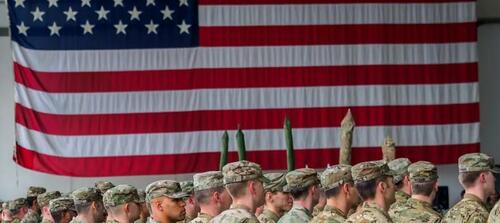
Trump's Punitive Troop Drawdown in Germany Exposes NATO Fractures and Accelerating US Isolationism
Trump's order to withdraw 5,000 troops from Germany in response to Chancellor Merz's criticism of the US Iran operation reveals profound NATO divisions, echoing historical isolationist trends and potentially driving European defense independence amid shifting global priorities.
In a move that underscores deepening transatlantic tensions, the Trump administration has ordered the withdrawal of approximately 5,000 US troops from Germany, to be executed over the next six to twelve months. This decision, confirmed by Pentagon officials, follows sharp public criticism from German Chancellor Friedrich Merz regarding the US-led Operation Epic Fury against Iran, during which Merz suggested American forces had been "humiliated" by Iranian leadership and lacked a coherent exit strategy. President Trump responded on Truth Social, urging Merz to focus on Germany's domestic challenges with immigration, energy, and the Ukraine-Russia conflict rather than critiquing US actions that he claims enhance global safety, including for Europe. While the reduction leaves over 30,000 American personnel in Germany—home to key commands like EUCOM, AFRICOM, and Ramstein Air Base—the symbolic and punitive nature of the gesture highlights longstanding US grievances over allied burden-sharing. Major outlets including CNN, The New York Times, and The Wall Street Journal report this as a direct signal of discontent with European contributions to the Iran campaign and broader NATO commitments. This episode connects to deeper patterns of American strategic retrenchment. During his first term, Trump similarly threatened troop reductions in Germany over perceived free-riding, viewing the post-WWII basing structure as an outdated subsidy for wealthy European allies. Today's action, amid the aftermath of Operation Epic Fury—a swift 38-day campaign targeting Iranian missile, naval, and nuclear infrastructure—reveals fractures not just in rhetoric but in operational alignment. While European leaders voiced muted initial criticism of the Iran operation and continue emphasizing a "new Cold War" with Russia over Ukraine, their reluctance to support US efforts in the Middle East exposes divergent threat perceptions: Washington prioritizes containing Iran and pivoting toward Indo-Pacific challenges, whereas Berlin focuses on energy security and Eastern European stability. This punitive withdrawal risks catalyzing European strategic autonomy initiatives, potentially accelerating plans for enhanced EU defense cooperation or even independent command structures, long discussed but hindered by reliance on American security guarantees. It fits into a broader realignment where US "America First" policies erode the post-1945 liberal international order, forcing allies to recalibrate. Historical parallels to US isolationist periods suggest such moves can reshape global dynamics, emboldening adversaries like Russia or China while compelling Europe to boost defense spending beyond current pledges. As BBC and AP reporting contextualizes, Trump's threats preceded the formal announcement, tying directly to Merz's remarks at a local event and reflecting frustration with NATO's uneven commitments. The implications extend beyond bilateral US-German ties: with US bases in Germany serving as logistical hubs for multiple theaters, partial withdrawal could strain readiness against varied threats, from Russian aggression to African instability. Observers note this may presage further adjustments in Italy or Spain, signaling a fundamental reevaluation of forward deployment. In missing connections, few mainstream analyses link this to the Iran ceasefire's "peace through strength" narrative—Trump's victory lap may inadvertently hasten the very decoupling from Europe that isolationists have long advocated, potentially fostering a more multipolar security landscape where Germany assumes greater leadership in continental defense. Credible reporting from across the spectrum confirms the troop movement's timeline and motivations, underscoring how personal spats between leaders can amplify systemic alliance fissures.
Geopolitical Analyst: This withdrawal accelerates Europe's pursuit of strategic autonomy, weakening NATO cohesion and hastening a multipolar security order where US commitments become more conditional and selective.
Sources (5)
- [1]US withdrawing 5000 troops from Germany after chancellor criticized war with Iran(https://www.cnn.com/2026/05/01/politics/us-troop-withdrawal-germany-trump-merz)
- [2]U.S. to Withdraw 5000 Troops From Germany, Pentagon Says(https://www.nytimes.com/2026/05/01/us/politics/us-troops-germany.html)
- [3]Trump Orders the Withdrawal of 5000 U.S. Troops From Germany(https://www.wsj.com/world/europe/trump-orders-the-withdrawal-of-5-000-u-s-troops-from-germany-e6e7ca87)
- [4]US to cut troop levels in Germany by 5000 amid Trump spat with Merz(https://www.bbc.com/news/articles/c0729d374mxo)
- [5]Trump says he may cut US troops in Germany after Iran feud(https://apnews.com/article/trump-germany-iran-troops-290ddb105f5f05e20e6c6ae7094659f3)