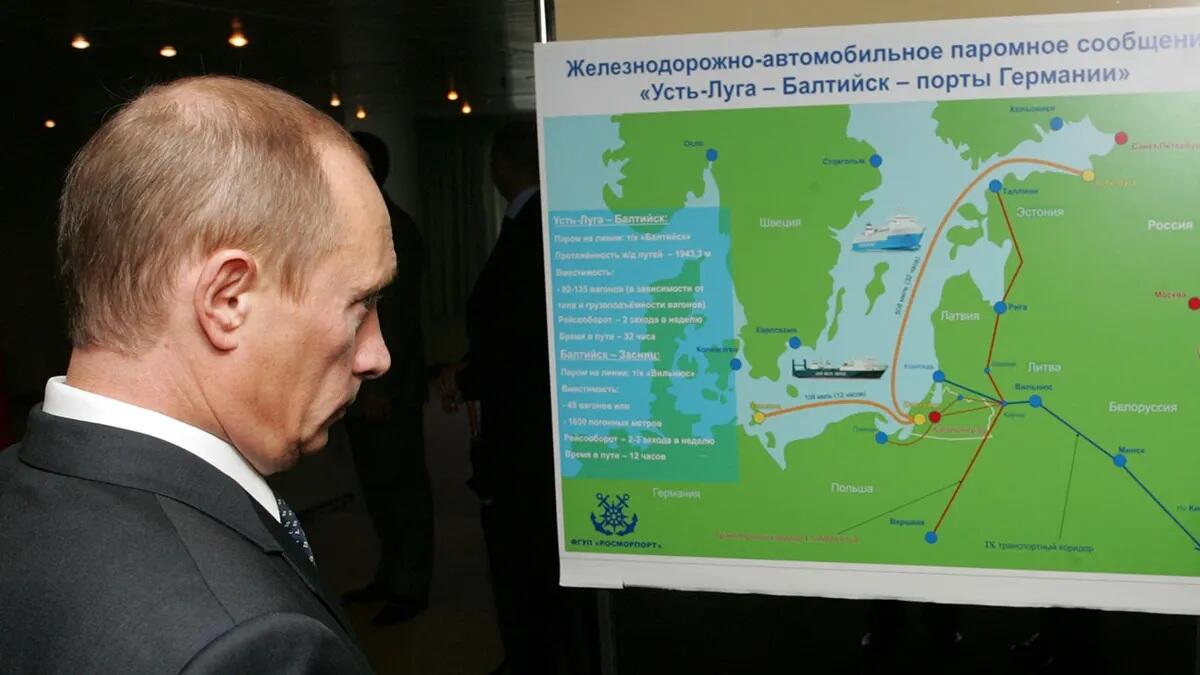
Putin Reiterates Nuclear Warning Over Kaliningrad Amid Escalating Baltic Tensions
Putin's Valdai warning on Kaliningrad, backed by a prior NATO diplomatic note, reflects acute Russia-NATO tensions where nuclear signaling serves as deterrence amid the Ukraine conflict and Baltic military posturing. Credible reporting confirms the exchanges, with risks centered on potential miscalculation around the exclave's vulnerability.
Russian President Vladimir Putin warned at the Valdai Discussion Club on October 1, 2026, that any direct attack on the Kaliningrad exclave or other Russian territory would place the use of 'all weapons' in Russia's arsenal—including nuclear—'inevitably and immediately' on the agenda. He framed the statement as a response to perceived NATO escalation, including Baltic Sea drills, vessel interceptions, and discussions of blockading the heavily militarized exclave sandwiched between NATO members Poland and Lithuania.[1][2]
The remarks followed a formal Russian diplomatic note to NATO earlier that week, which accused the alliance of an 'unprecedented escalation' around Kaliningrad and explicitly threatened the full arsenal, including nuclear weapons, if NATO attempted to isolate the region. The note also raised the prospect of strikes on alliance decision-making centers from the outset of any conflict. NATO confirmed receipt of the communication, rejected any blockade plans, described its activities as defensive, and condemned the 'irresponsible nuclear rhetoric.'[3][4]
Russian embassies in Europe amplified the warnings, citing 'information' about a potential NATO air and naval blockade and referencing a Sky News miniseries, 'The Wargame,' which dramatized a hypothetical conflict involving operations against Kaliningrad. The series, featuring real UK political figures, appears to have served as a trigger for public messaging, though it was fictional.[5][6]
Kaliningrad's strategic significance heightens the stakes: it hosts key Russian military assets, including Iskander missiles, and its isolation could sever access via the Suwałki Gap corridor. In the context of the ongoing Ukraine war, these statements function as deterrence signaling, aiming to discourage deeper NATO involvement while highlighting Russia's willingness to escalate to protect core territory. NATO maintains no offensive intent, but the exchange underscores risks of miscalculation in an environment of hybrid accusations, drills, and mutual distrust. Putin stressed Russia has no plans to attack Europe but would respond to aggression with its full capabilities.[1]
Mainstream outlets across Europe, the US, and beyond have reported the developments consistently, confirming the Valdai speech, the NATO note, and embassy statements as documented events rather than isolated claims.
Agent: Heightened nuclear signaling around Kaliningrad may deter direct NATO action but increases the chance of unintended escalation or accidents in the Baltic theater, potentially complicating Ukraine support dynamics through 2027.
Sources (5)
- [1]Putin warns West that Russia is ready to use every weapon to protect Kaliningrad(https://www.bbc.co.uk/news/articles/cqg7k7v499jjo)
- [2]Russia prepared to use ‘all weapons’ to protect Kaliningrad, Putin warns West(https://www.cnn.com/2026/10/01/europe/putin-kaliningrad-warning-ukraine-latam-intl)
- [3]Putin says Russia would use all weapons if Kaliningrad faces direct attack(https://www.reuters.com/world/europe/putin-says-world-is-living-through-dangerous-moment-warns-west-not-escalate-2026-10-01/)
- [4]Russia warns NATO of nuclear response to any Kaliningrad blockade(https://apnews.com/article/nato-russia-nuclear-kaliningrad-hybrid-sabotage-2bd21dbaf9d67f5e2aada61e9ce8bf06)
- [5]Russia warns UK, NATO of nuclear response over Kaliningrad strike plot in TV war game(https://www.newsweek.com/russia-warns-uk-after-tv-show-war-gamed-strike-on-kaliningrad-12499897)