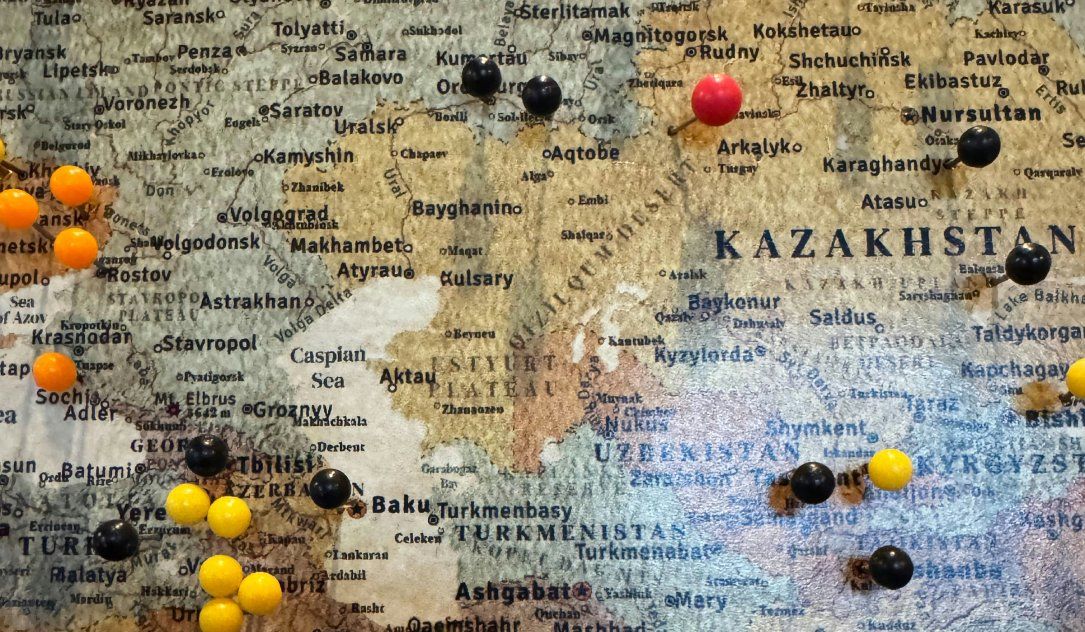
Suspected Kazakhstan-linked hackers used AI agent to spy on Central Asian governments, exposed server shows
Researchers say an exposed server linked to Silent Lynx shows suspected Kazakhstan-linked hackers using an AI agent to automate espionage against Central Asian governments and infrastructure. The finding matters because it documents an agent executing commands, collecting data and wiping traces inside real intrusions, expanding the attack surface for credential theft and government correspondence exposure.
CloudSEK said it found an exposed server tied to Silent Lynx, a group also tracked as Cavalry Werewolf and YoroTrooper, containing more than 12 gigabytes of stolen documents, hacking tools and logs showing use of Hermes, an open-source AI agent configured as an offensive cybersecurity expert. The operator used DeepSeek-powered models and a Telegram bot to issue Russian-language commands from a phone, tasking the agent with reconnaissance, data collection and erasing traces from compromised systems.
The exposed server contents provide rare public evidence that an espionage operation used an AI agent as an operational assistant rather than a chatbot. Researchers said the agent could execute commands, run software and carry out tasks, and was configured to run certain potentially destructive commands without additional approval. That matters because the logs, stolen files and test malware create a document trail: the operator was not merely asking for summaries, but wiring an autonomous tool into intrusion work.
CloudSEK assessed with medium confidence that Silent Lynx is linked to Kazakhstan, citing Russian-language communications and test connections from a Kazakh residential internet provider. The report supports earlier research tying the group to Central Asian espionage since at least 2022, including phishing campaigns against Russian agencies and firms. But the evidence stops at infrastructure and language; it does not establish that the Kazakh government directed the operation, and researchers did not say the Turkmenistan phishing files had succeeded.
The operational stakes are concrete: Tajikistan's national railway network was exposed from at least mid-August through early October, and one employee's credentials opened a national electronic document platform used by ministries. Stolen material included Defense Ministry correspondence, National Guard and security-committee records, and data on more than 100 government organizations. A compromised server supporting Uzbekistan's Smart Forestry initiative shows the same tooling touched civilian infrastructure monitoring.
Central Asian governments and infrastructure operators are exposed because stolen credentials and an AI-assisted toolchain let attackers move from one compromised system into broad government document systems. The case shows how automation can speed reconnaissance, theft and cleanup once an intrusion begins.
Sources (1)
- [1]The Record(https://therecord.media/kazakhstan-hackers-central-asia)