Iran Holds the Escalation Ladder After Hormuz Flare-Up, Exposing Chokepoint Leverage
Iran currently controls the next move in the Hormuz confrontation, revealing its outsized ability to pressure global energy flows through targeted maritime disruption and signaling a shift in regional dynamics beyond one-off strike reporting.
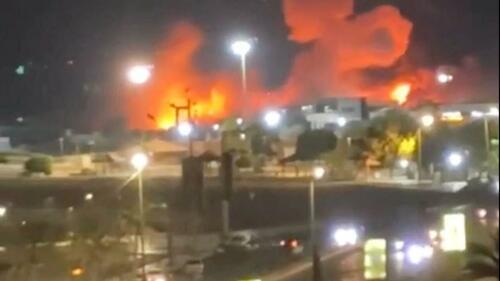
Recent US strikes on Iranian targets along the Strait of Hormuz, following attacks on commercial vessels, have placed Tehran in the position of deciding whether to escalate or de-escalate the confrontation. Multiple reports confirm US Central Command conducted strikes on over 80–90 targets in two nights, focusing on air defenses, coastal radars, IRGC boats, and infrastructure near Bushehr, Chabahar, Bandar Abbas, and other sites.
President Trump declared the June 2026 memorandum of understanding “over” and threatened further action if Iran continues targeting shipping, while Vice President Vance emphasized that the strait must remain open. Iran responded with strikes on US-linked sites in Bahrain, Kuwait, and Qatar, signaling willingness to test the limits of the fragile truce.
The incidents underscore Iran’s strategic position astride the Strait of Hormuz, through which roughly 20% of global seaborne oil trade normally flows. By threatening or attacking vessels and asserting regulatory control, Tehran can influence global energy markets even without fully closing the waterway. This leverage has been under-discussed amid episodic coverage of strikes and diplomacy.
Longer-term responses are emerging. The UAE is advancing a pipeline to Fujairah, Saudi Arabia is considering expansion of its East-West pipeline, and Riyadh is exploring an IMEC corridor via Syria and Turkey. The White House has launched an initial set of “Freedom Fuel” gas stations offering lower prices, a move analysts link to anticipated supply pressure.
Oil prices have risen modestly (Brent near $79), but crack spreads remain elevated amid refinery constraints and Russia’s diesel export ban. The immediate choice remains Tehran’s: further attacks on Hormuz traffic invite heavier US responses, while de-escalation risks ceding initiative over the chokepoint.
Rabobank: Continued Hormuz friction raises the probability of sustained energy-market volatility and accelerates Gulf states’ bypass infrastructure timelines.
Sources (7)
- [1]Iran war live: Tehran hits Bahrain, Kuwait, Qatar after deadly US strikes(https://www.aljazeera.com/news/liveblog/2026/7/9/iran-war-live-one-killed-as-us-bombs-bushehr-chabahar-bandar-abbas-jask)
- [2]US launches attacks on Iran near Strait of Hormuz(https://www.cnn.com/2026/07/08/world/video/iran-strikes-near-strait-of-hormuz-vrtc)
- [3]US hits more than 80 Iran targets, reimposes oil sanctions(https://www.cnn.com/2026/07/07/world/live-news/nato-summit-trump)
- [4]US launches new strikes on Iran, revokes oil sale permission(https://apnews.com/article/iran-us-israel-war-oil-4732228810c9839a1258309ad43b8289)
- [5]With Iran ceasefire 'over,' Trump shifts to battle for Hormuz(https://www.axios.com/2026/07/09/trump-iran-strait-hormuz-battle)
- [6]U.S. intensifies strikes on Iran's coast along Strait of Hormuz(https://www.washingtonpost.com/world/2026/07/09/us-intensifies-strikes-irans-coast-along-strait-hormuz/)
- [7]White House launching dozens of Freedom Fuel gas stations(https://www.wspa.com/news/national/white-house-launching-dozens-of-freedom-fuel-gas-stations/)