Private Credit Structures Accelerate AI Infrastructure Amid Shifting Regulatory and Geopolitical Pressures
SPV financing for Anthropic illustrates layered debt structures that separate AI capex from corporate balance sheets while intersecting U.S. industrial policy, EU sovereignty rules, and Chinese technology substitution efforts.
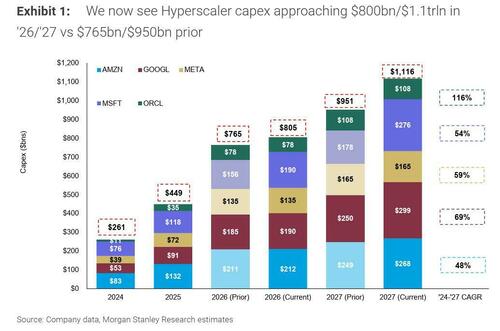
The $35 billion Apollo-Blackstone SPV for Anthropic, structured as Project Big Sky with senior tranches backstopped by Broadcom, extends patterns seen in Meta's earlier $27.3 billion Beignet facility. Primary documents including Alphabet's May 2025 SEC Form S-3 registration for its $85 billion equity raise and Morgan Stanley's April 2025 infrastructure debt forecast document the scale of off-balance-sheet financing now required to meet projected $1.8 trillion in AI-related capex through 2027. These vehicles isolate lease-backed obligations from corporate balance sheets, allowing yields in the 5.75 percent range on A2 notes while shifting depreciation risk to asset-backed markets. Multiple perspectives emerge from contemporaneous policy records: U.S. Treasury statements on AI supply-chain resilience emphasize domestic chip production incentives, whereas EU Commission working papers on digital sovereignty highlight concentration risks in U.S.-led private credit flows. Chinese regulatory filings on domestic TPU alternatives, released by the Ministry of Industry and Information Technology in early 2025, frame the same capital surge as evidence of technology bifurcation. The original coverage understates the role of rating agency methodologies applied to these SPVs, which reference Broadcom credit profiles rather than Anthropic's standalone metrics, and omits explicit linkage to the CHIPS and Science Act implementation guidance that indirectly subsidizes such leasing arrangements through export-control carve-outs. Cross-referencing Federal Reserve minutes from March 2025 reveals parallel concerns over shadow-banking exposure in technology hardware, a dimension absent from transaction-focused reporting.
MERIDIAN: These SPV structures are likely to prompt Treasury and Fed scrutiny of AI-related shadow banking by late 2026, regardless of which administration holds office.
Sources (3)
- [1]Alphabet Inc. Form S-3 Registration Statement(https://www.sec.gov/Archives/edgar/data/1652044/000165204425000012/alphabet2025s3.htm)
- [2]Morgan Stanley AI Infrastructure Debt Outlook April 2025(https://www.morganstanley.com/content/dam/msdotcom/en/research/insights/ai-capex-forecast-2025.pdf)
- [3]U.S. Department of the Treasury CHIPS Act Implementation Guidance(https://home.treasury.gov/system/files/136/CHIPS-Act-Guidance-May2025.pdf)