US Force Model Cuts Accelerate NATO's Unbalanced Pivot to European-Led Air and Maritime Defense
US pressure signals a fundamental NATO burden shift, exposing European capability gaps in air-naval domains with risks to deterrence against Russia and China.
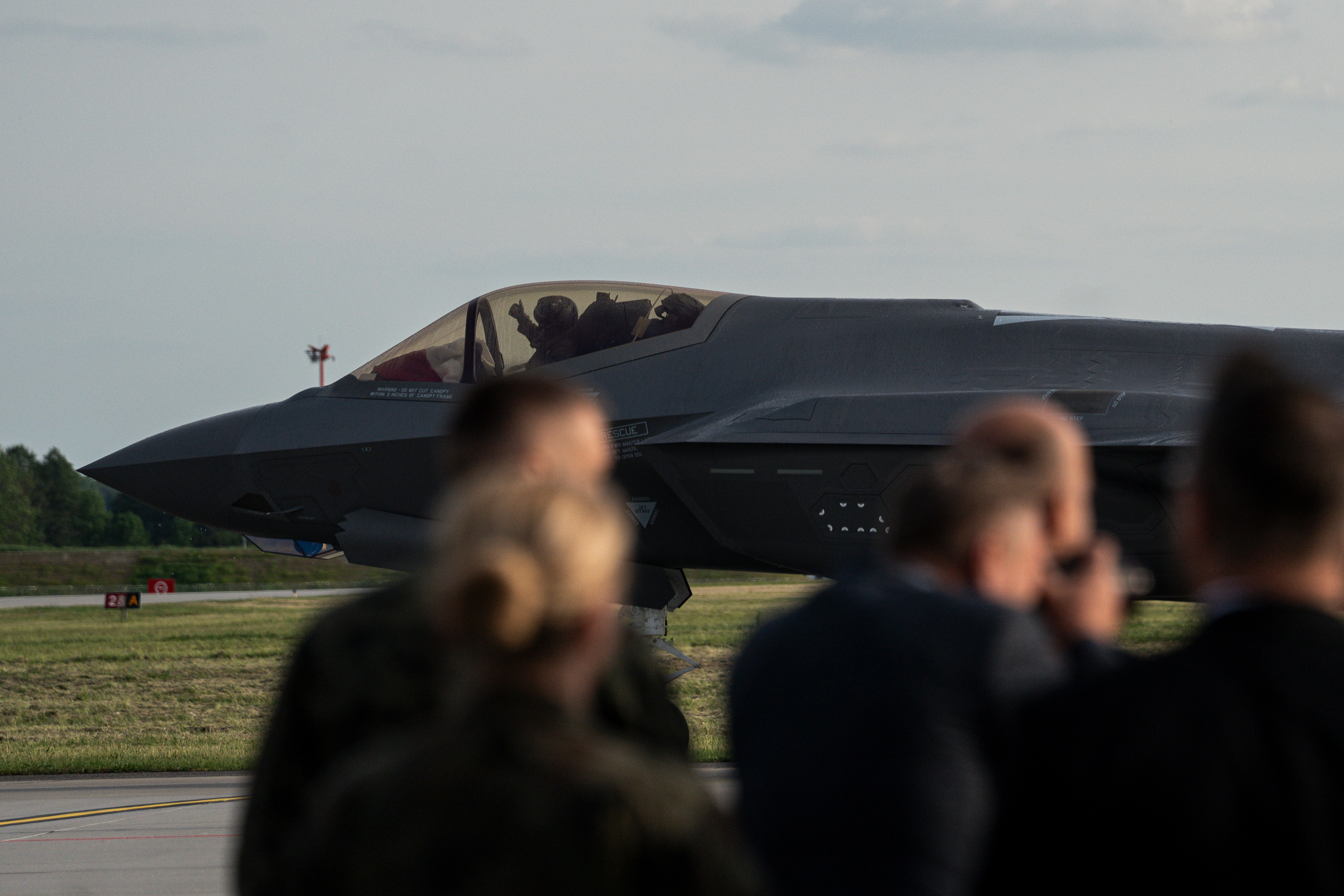
The US directive to slash contributions to the NATO Force Model marks a deliberate recalibration of alliance priorities under the Trump administration, forcing European allies and Canada to assume primary responsibility for air and naval assets amid simultaneous theater demands. General Grynkewich's statements reveal not just a reduction in US fighter jets by a third and the withdrawal of destroyers and submarines from the crisis pool, but a strategic pivot that prioritizes US focus on the Indo-Pacific. This goes beyond the Defense News reporting, which underplays the industrial and doctrinal hurdles facing Europe: many allies lack sufficient trained pilots, maintenance infrastructure, and integrated drone fleets to fill gaps quickly, despite O’Donnell's assurances of no defense shortfalls. The Spiegel report correctly flagged the scale of US drawdowns but missed how this compounds existing strains from Russia's Ukraine campaign, where European navies have already stretched thin on Baltic and Black Sea patrols. Drawing on patterns from the 2018-2020 NATO burden-sharing debates and the 2022 Madrid summit commitments, the move risks exposing vulnerabilities in high-end reconnaissance and strike capabilities if European defense industries cannot scale production of platforms like Eurodrones or Type 26 frigates by the 2027 Ankara follow-on targets. Geopolitically, this accelerates European strategic autonomy efforts but could embolden Russian probing in the north while straining transatlantic intelligence sharing on maritime domains.
SENTINEL: European allies will announce inflated commitments at Ankara but face real shortfalls in integrated air-maritime C2 within 18 months, prompting ad-hoc US bilateral deals.
Sources (3)
- [1]Primary Source(https://www.defensenews.com/global/europe/2026/06/03/us-tells-europe-canada-to-boost-nato-air-and-naval-forces/)
- [2]Related Source(https://www.spiegel.de/international/europe/nato-force-model-us-cuts-reported-2026)
- [3]Related Source(https://www.nato.int/cps/en/natohq/news_2026_force_model_update.htm)