India's Rejection of Russian LNG: A Microcosm of Global Energy Realignments Amid Geopolitical Strains
India's rejection of Russian LNG under U.S. sanctions reflects a broader realignment of global energy trade amid geopolitical conflicts. Beyond immediate logistics, this decision highlights Russia's export limitations, India's compliance dilemmas, and potential impacts on energy prices and inflation in emerging markets. Analysis draws on U.S. sanctions context and historical patterns to uncover missed structural implications.
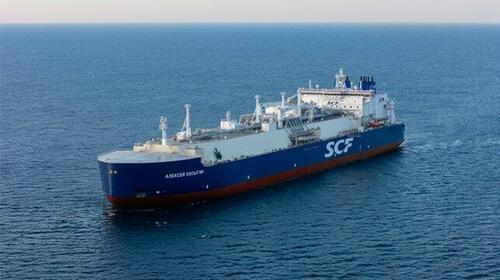
India's recent rejection of liquefied natural gas (LNG) from Russia's sanctioned Portovaya plant, as reported by Reuters, is not merely a bilateral trade hiccup but a significant indicator of broader energy trade realignments driven by geopolitical conflicts. The decision, communicated during a meeting with Russia’s Deputy Energy Minister Pavel Sorokin on April 30, reflects India's delicate balancing act between securing energy supplies and adhering to U.S. sanctions, which have intensified since early 2025 in response to Russia's ongoing war in Ukraine. This development, while specific to a single tanker now lingering near Singaporean waters, underscores a systemic shift in global energy markets that could exacerbate price volatility and influence inflation trends, particularly in emerging economies.
The original coverage by Reuters highlights the immediate logistical and diplomatic challenges, such as the stranded Kunpeng tanker and India's continued purchase of Russian crude under a temporary U.S. sanctions waiver. However, it misses the deeper structural implications of this rejection. India's stance is not an isolated act of compliance but part of a pattern where nations are forced to recalibrate energy dependencies amid geopolitical fault lines. For context, India, the world's third-largest oil importer, meets half of its gas consumption through imports, with a significant portion historically routed through the Strait of Hormuz—a chokepoint disrupted by Middle East tensions. The rejection of Russian LNG, despite this shortfall, signals a prioritization of geopolitical alignment over immediate energy needs, a choice that could push India toward alternative suppliers like Qatar or the U.S., potentially at higher costs.
This decision also reveals the limits of Russia's pivot to Asian markets post-Western sanctions. While China continues to absorb both sanctioned and unsanctioned Russian LNG, India's reluctance—despite being a major buyer of Russian crude—highlights Moscow's constrained ability to diversify its LNG export destinations. Unlike crude oil, which can be obscured through ship-to-ship transfers, LNG shipments are more transparent due to satellite tracking, increasing compliance risks for buyers like India. This transparency issue, underreported in the original story, is a critical barrier to Russia's energy export strategy and may force Moscow to offer steeper discounts or seek less risk-averse partners, further fragmenting global energy trade.
Looking at related events, the U.S. sanctions on Russian LNG plants like Portovaya and Arctic LNG 2 are part of a broader Western strategy to economically isolate Russia, as detailed in the U.S. Department of Treasury's sanctions announcements from early 2025. Simultaneously, India's energy policy must be viewed against the backdrop of its domestic economic pressures, including Prime Minister Narendra Modi's recent call for fuel conservation and reduced imports of gold and edible oil to preserve foreign exchange reserves. This domestic context, combined with external disruptions in the Strait of Hormuz, suggests that India's rejection of Russian LNG could lead to tighter energy markets in South Asia, driving up costs for consumers and potentially stoking inflation—a trend already visible in emerging markets grappling with post-COVID recovery and geopolitical shocks, as noted in the International Energy Agency's (IEA) 2023 World Energy Outlook.
What the original coverage also overlooks is the potential ripple effect on global energy prices. If India, a significant player in the LNG market, consistently rejects sanctioned cargoes, it may create a supply overhang in certain regions while tightening availability in others, contributing to price volatility. This aligns with historical patterns, such as the 2014 oil price slump following geopolitical realignments after Russia's annexation of Crimea, where sanctioned energy exports led to regional supply mismatches. Emerging markets, with less fiscal space to absorb energy price shocks, could face heightened inflationary pressures, undermining central banks' efforts to stabilize economies.
In synthesizing these perspectives, India's decision emerges as a microcosm of a fractured global energy landscape where geopolitical considerations increasingly dictate trade flows. The interplay between U.S. sanctions, Russia's export challenges, and India's energy security needs illustrates a world where energy is no longer just a commodity but a geopolitical weapon. As negotiations between New Delhi and Moscow continue, with potential talks in June, the outcome will likely set a precedent for how other nations navigate the sanctions-energy nexus, with far-reaching implications for global markets.
MERIDIAN: India's rejection of Russian LNG may push it toward costlier alternative suppliers, potentially increasing energy prices in South Asia and adding inflationary pressure in emerging markets over the next 6-12 months.
Sources (3)
- [1]India Rejects Russian LNG Under Sanctions - Reuters via ZeroHedge(https://www.zerohedge.com/markets/india-rejects-russian-lng-under-sanctions)
- [2]U.S. Department of Treasury Sanctions on Russian Energy Sector(https://home.treasury.gov/news/press-releases)
- [3]International Energy Agency World Energy Outlook 2023(https://www.iea.org/reports/world-energy-outlook-2023)