Super El Niño 2026: Compounding War Disruptions and Climate Shocks Threaten Global Food Security
Corroborated reports confirm a 2026 El Niño event, with documented monsoon risks in India and food price warnings tied to geopolitical fertilizer disruptions. The interplay exposes underreported systemic vulnerabilities in global agriculture beyond isolated conflict narratives.
A developing strong to potentially 'super' El Niño event in 2026 is raising alarms over weakened monsoons, crop failures, and surging food prices, layered atop ongoing geopolitical disruptions to energy and fertilizer supplies. Japan's Meteorological Agency became the first major body to declare El Niño onset in the tropical Pacific, with conditions likely persisting into 2027.[1][2] India's Meteorological Department forecasts monsoon rainfall at just 90% of the long-period average, with a 60% chance of deficiency, echoing risks seen in past El Niño years like 2015.[3][4]
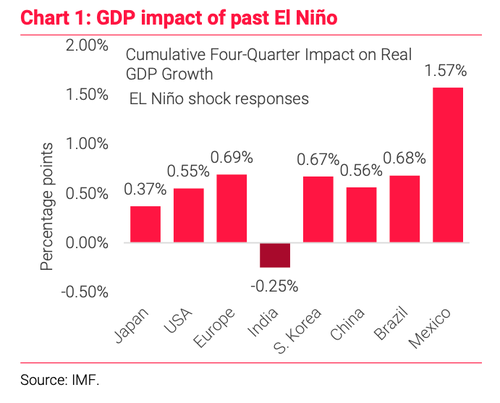
Wall Street analyst Rory Green of TS Lombard has highlighted how these weather shocks could amplify existing inflationary pressures from war-related fertilizer and energy market disruptions, creating a 'perfect storm' for food inflation—particularly exposing India, Brazil, and Mexico.[5] Broader analyses from Reuters and the World Resources Institute note that fertilizer shortages stemming from conflicts (including U.S.-Iran tensions) reduce agricultural resilience, while El Niño-driven droughts, heat, and floods could push vulnerable regions toward acute food insecurity and price spikes of 10-50% or more in staples like rice and palm oil.[6][7]
Historical precedents, such as the devastating 1876-78 El Niño-linked famines, underscore the potential scale, though modern mitigation and positive Indian Ocean Dipole effects may offer partial offsets. Mainstream coverage often isolates conflict reporting from these climate multipliers, yet data reveal interconnected risks to supply chains, rural economies, and conflict escalation via resource stress. China, much of the developed world, and select Asian economies appear relatively insulated compared to South Asia and Latin America.[4]
WMO updates confirm an 80% likelihood of El Niño through mid-2026, with potential for strong conditions amplifying extremes.[8]
[Rory Green / TS Lombard]: A strong 2026 El Niño will deliver a compounded inflationary shock to food prices in exposed regions like India, layering climate-driven yield losses onto elevated fertilizer and energy costs from ongoing conflicts, with effects persisting 1-2 years.
Sources (6)
- [1]Monsoon 2026 Arrives in India Under El Niño Shadow(https://www.downtoearth.org.in/climate-change/monsoon-2026-has-arrived-but-indias-rain-season-begins-under-el-ni%C3%B1o-shadow)
- [2]How El Nino-driven weaker monsoon rains could impact India(https://www.reuters.com/business/environment/how-el-nino-driven-weaker-monsoon-rains-could-impact-india-2026-04-16/)
- [3]Japan Calls It: The Dreaded El Niño Has Arrived(https://gizmodo.com/japan-calls-it-the-dreaded-el-nino-has-arrived-2000769995)
- [4]'Super' El Nino could trigger a global food price shock(https://www.reuters.com/sustainability/land-use-biodiversity/super-el-nino-could-trigger-global-food-price-shock-heres-how-companies-can--ecmii-2026-06-03/)
- [5]How Might a 'Super El Niño' Affect Food, Forests and Water?(https://www.wri.org/insights/super-el-nino-impacts-explained)
- [6]WMO: Prepare for El Niño(https://wmo.int/news/media-centre/wmo-prepare-el-nino)