G7 Releases 100 Million Barrels Amid U.S. Pressure: Europe's Energy Vulnerabilities Exposed
Corroborated G7 action on 100M barrel release driven by U.S. leverage reveals Europe's energy fragility and transatlantic tensions, with limited structural fixes.
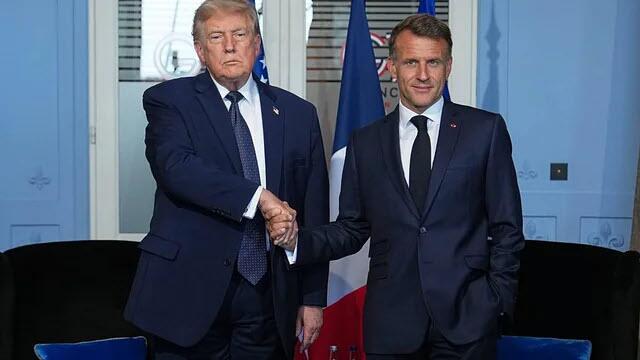
On October 2, 2026, G7 leaders agreed to release 100 million barrels of crude oil and refined products, primarily diesel, from strategic reserves over four months in a coordinated effort through the International Energy Agency (IEA). The plan front-loads substantial diesel volumes within the first 20 days, alongside commitments to coordinate refinery maintenance schedules, temporarily boost utilization rates where possible, and prohibit export restrictions on energy products among G7 members. French President Emmanuel Macron, chairing the virtual meeting, framed the measures as essential to easing surging fuel prices driven by geopolitical disruptions, including the U.S.-Israel conflict with Iran and ongoing Russia-Ukraine tensions that have damaged refining capacity. U.S. President Donald Trump publicly hailed the decision, stating that Europe had agreed to release a 'massive amount' of diesel reserves, with the process to begin immediately. Multiple reports indicate the agreement followed intense U.S. diplomatic pressure, including threats to restrict American diesel exports—on which Europe relies for over half its imports—if allies did not draw down their own stocks. This move builds on a larger March 2026 IEA-coordinated release of around 400 million barrels, of which over 80% had already been delivered by early October. The action underscores Europe's structural energy dependence, exacerbated by refinery capacity losses from climate policies, high costs, and supply chain fragilities, contrasting with the U.S.'s relative energy autonomy. Geopolitically, it highlights shifting transatlantic dynamics, with Washington leveraging market access to influence European policy amid midterm election pressures on fuel prices. Critics within Europe have described the U.S. tactics as coercive, though official statements emphasize constructive dialogue and mutual commitments. The IEA is tasked with monitoring implementation and proposing further steps within 20 days, including potential additional diesel releases and reserve replenishment strategies. Long-term, this symptomatic relief does little to address underlying issues like Europe's Green Deal constraints on new refining capacity or broader vulnerabilities in global energy markets tied to Middle East instability and sanctions regimes.
[Energy Analyst]: This coordinated release may temporarily ease European diesel shortages and U.S. price pressures ahead of midterms, but it risks deepening transatlantic frictions and accelerating Europe's push for diversified, resilient supply chains amid ongoing Middle East volatility.
Sources (5)
- [1]G-7 agrees to release oil reserves to reduce fuel prices after U.S. pressure(https://www.washingtonpost.com/business/2026/10/02/g-7-agrees-release-oil-reserves-counter-fuel-prices-after-us-pressure/)
- [2]G7 to release 100 million barrels of oil and diesel after Trump export ban threat(https://www.bbc.co.uk/news/articles/ck87zg8jnwngo)
- [3]G7 agrees to release oil reserves after U.S. push(https://www.politico.eu/article/trump-says-europe-agrees-to-release-massive-amount-of-diesel/)
- [4]G7 Plans Release of 100 Million Barrels from Energy Reserves(https://eponline.com/articles/2026/10/05/g7-plans-release-of-100-million-barrels-from-energy-reserves.aspx)
- [5]G7 to release 100 million barrels of oil and diesel from strategic reserves(https://meduza.io/en/news/2026/10/02/g7-to-release-100-million-barrels-of-oil-and-diesel-from-strategic-reserves)