Crypto Tolls in Hormuz: Iran's Sanctions Workaround Signals De-Escalation and Digital Finance Disruption
Post-ceasefire Hormuz transits paired with Iran's crypto toll demands expose a dual dynamic of maritime de-escalation and innovative sanctions evasion, with underreported historical precedents and broad ramifications for energy flows and de-dollarization trends.
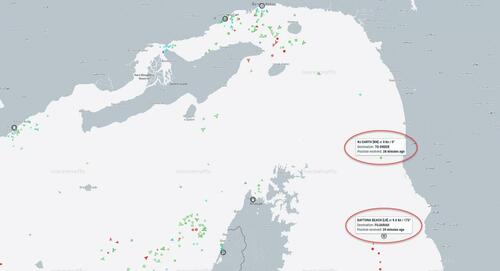
The transit of the Liberia-flagged Daytona Beach and Greek-owned NJ Earth through the Strait of Hormuz marks the first large-vessel movements since the US-Iran ceasefire, reducing the backlog of roughly 800 immobilized ships reported in the immediate aftermath. While the original ZeroHedge coverage accurately captured ship-tracking data from Kpler and Iran's stated $1-per-barrel crypto toll, it underplayed the longer-term patterns of sanctions evasion and overstated the novelty of cryptocurrency use by framing it primarily as a post-ceasefire innovation.
Iran has pursued crypto mechanisms since at least 2018 to mitigate secondary sanctions, as documented in primary reporting by Reuters ("Iran's crypto mining surge," 2021) and Chainalysis' 2022 Geography of Cryptocurrency Report, which identified Iran among the top nations for Bitcoin mining as a means to generate non-traceable revenue. The Supreme National Security Council’s 10-point negotiation framework—referenced directly in Iranian state releases—prioritizes a "protocol for secure passage" coordinated with its armed forces, echoing language from the 2019-2020 tanker incidents where Iran seized vessels amid maximum-pressure sanctions.
This episode reveals what much Western coverage missed: the crypto demand is less about immediate revenue (empty tankers pass free) and more about establishing precedent for monitored, de-dollarized transactions in a chokepoint carrying 20% of global seaborne oil. The FT’s interview with Hamid Hosseini of Iran’s Oil, Gas and Petrochemical Products Exporters’ Union makes clear the dual purpose—preventing weapons transfers during the two-week pause while forcing payment rails immune to SWIFT blocking. The English-language radio broadcast threatening destruction without approval further underscores continuity with prior Iranian Revolutionary Guard Corps tactics.
Perspectives diverge sharply. Gulf Cooperation Council states and U.S. allies view retained Iranian oversight of the northerly route as unacceptable leverage, consistent with longstanding opposition expressed in joint statements at the UN Security Council. Iranian officials frame it as legitimate sovereignty and defensive monitoring. The Trump administration’s suggestion of a possible joint U.S.-Iran toll venture, aired on CBS, introduces a transactional angle that contrasts with hardline sanctions enforcement advocates who see crypto adoption as undermining the dollar’s reserve status.
Synthesizing the ZeroHedge dispatch, the FT primary sourcing, and the International Energy Agency’s periodic Hormuz risk assessments shows this is not isolated. It fits a pattern seen in Russia’s post-2022 use of sanctioned banks and gold/crypto settlements, and Venezuela’s earlier experiments with petroleum-backed digital tokens. The "few seconds to pay in bitcoin" procedure cited by Hosseini highlights blockchain’s traceability-privacy tension: transactions can be publicly verified yet routed through mixers or state-controlled wallets, complicating enforcement by OFAC.
Lasting implications stretch across domains. Energy markets face procedural delays that could sustain elevated risk premiums even as 175 million barrels on 187 tankers become unstuck. Digital finance witnesses validation of crypto as parallel infrastructure—potentially accelerating central bank digital currency pilots among BRICS members seeking alternatives to dollar-denominated oil trade. Maersk’s cautious statement that the ceasefire "does not yet provide full maritime certainty" reflects commercial realism shared by Lloyd’s of London underwriters.
Ultimately, the episode illustrates how traditional geopolitical flashpoints are merging with emergent technologies. Primary documents—from the Supreme National Security Council points to the recorded radio warning—show Iran leveraging both physical control and digital anonymity without abandoning its core security narrative. Whether this becomes a scalable model for other sanctioned producers or remains a short-term negotiating ploy will shape both oil security and the future architecture of cross-border payments.
MERIDIAN: Iran's crypto toll precedent at Hormuz may accelerate adoption of digital rails by other sanctioned producers, gradually eroding unilateral sanctions effectiveness while pressuring traditional payment systems and petrodollar structures.
Sources (3)
- [1]First Two Ships Pass Through Strait Of Hormuz Since Ceasefire As Iran Demands Payment In Crypto(https://www.zerohedge.com/energy/first-two-ships-pass-through-strait-hormuz-ceasefire)
- [2]Iran to demand crypto payments for tankers in Strait of Hormuz(https://www.ft.com/content/iran-hormuz-crypto-tolls-ceasefire)
- [3]Geography of Cryptocurrency Report 2022(https://www.chainalysis.com/blog/2022-geography-of-cryptocurrency/)