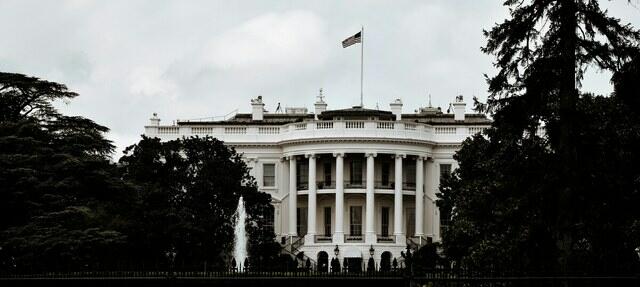
Executive Strikes on Suspected Drug Boats and Iran Actions Spark Constitutional Debate Over Presidential Power
Napolitano's opinion piece critiques Trump-era boat strikes and Iran policies as unconstitutional executive overreach; corroborated by extensive reporting on strikes killing hundreds without due process and Hormuz blockade actions, highlighting separation-of-powers concerns amid legal scrutiny.
Judge Andrew P. Napolitano's recent column revives a longstanding critique of unchecked executive authority, drawing on historical parallels to argue that lethal U.S. military strikes on suspected drug-trafficking vessels and assertive measures against Iran risk embodying 'the tyranny of one man's opinion.'
The piece contends that such actions bypass due process and congressional war powers, constituting extrajudicial executions. Corroborating reports confirm an ongoing U.S. campaign of lethal boat strikes in the Caribbean and eastern Pacific since late 2025, with at least 70 strikes resulting in over 200 deaths, justified by the administration as targeting narcotraffickers designated as enemy combatants in an armed conflict with cartels.[1][2] Legal challenges have emerged, including FOIA lawsuits by the ACLU and Center for Constitutional Rights seeking the Justice Department's Office of Legal Counsel memo outlining the policy's basis; a federal judge recently ordered its review.[3]
Parallel developments in U.S.-Iran relations include reports of a U.S. naval blockade and control over shipping in the Strait of Hormuz amid broader conflict, alongside sanctions impacting Iranian civilians.[4][5] Napolitano's argument aligns with constitutional scholarship emphasizing Article I's assignment of war declaration and funding powers to Congress, versus the president's commander-in-chief role, a separation designed to prevent unilateral executive war-making.
Critics frame the strikes as a shift from law enforcement interdiction to summary military action, raising questions about evidence standards, civilian protections, and the absence of judicial oversight. Supporters cite national security imperatives against fentanyl flows and cartel threats. The debate underscores tensions in executive governance, where policy efficacy intersects with limits on one branch's unilateral authority.
Napolitano: Ongoing legal challenges to boat strike justifications could force greater transparency on executive war powers, potentially constraining future unilateral military actions against non-state threats.
Sources (7)
- [1]Pentagon ordered to show legal justification for boat strikes(https://www.courthousenews.com/pentagon-ordered-to-show-legal-justification-for-boat-strikes)
- [2]Judge Questions Secrecy Around Trump Administration’s Memo on Boat Strikes(https://www.nytimes.com/2026/09/30/us/politics/judge-trump-memo-boat-strikes.html)
- [3]4 killed in U.S. strike on alleged drug-smuggling boat in Caribbean, Pentagon says(https://www.cbsnews.com/news/4-killed-u-s-strike-drug-boat-caribbean/)
- [4]Scrutinizing Trump’s boat strikes(https://www.politico.com/newsletters/national-security-daily/2026/10/02/scrutinizing-trumps-boat-strikes-01105078)
- [5]Why and how is US blockading Iranian ports in Strait of Hormuz?(https://www.worldports.org/why-and-how-is-us-blockading-iranian-ports-in-strait-of-hormuz/)
- [6]Trump Rejects Iran’s Strait of Hormuz Offer(https://gulfnews.com/world/americas/iran-played-its-hormuz-card-here-s-why-trump-said-no-1.500689772)
- [7]The Tyranny Of One Man's Opinion(https://www.zerohedge.com/political/tyranny-one-mans-opinion)