Ransomware Attack on West Pharmaceutical Exposes Critical Infrastructure Vulnerabilities in Global Supply Chains
The ransomware attack on West Pharmaceutical Services reveals deeper vulnerabilities in critical infrastructure and global supply chains, beyond operational disruptions. Missed by initial coverage, the incident risks delaying life-saving drug deliveries and exposes potential geopolitical motives, underscoring the urgent need for systemic cyber resilience in healthcare.
The ransomware attack on West Pharmaceutical Services, disclosed in an SEC filing on May 4, 2026, represents more than a isolated breach—it underscores a growing systemic risk to critical infrastructure and global supply chains. West, a Pennsylvania-based leader in injectable solutions with over 10,000 employees across 50 global locations, reported disruptions to shipping, receiving, and manufacturing operations following the attack. While core systems have been partially restored, the timeline for full recovery remains unclear, and the extent of stolen data is still under investigation by Palo Alto Networks’ Unit 42. This incident, as reported by Recorded Future News, is emblematic of a broader trend of escalating cyber threats targeting the healthcare sector, where both nation-state actors and financially motivated hackers exploit vulnerabilities for espionage, extortion, or disruption.
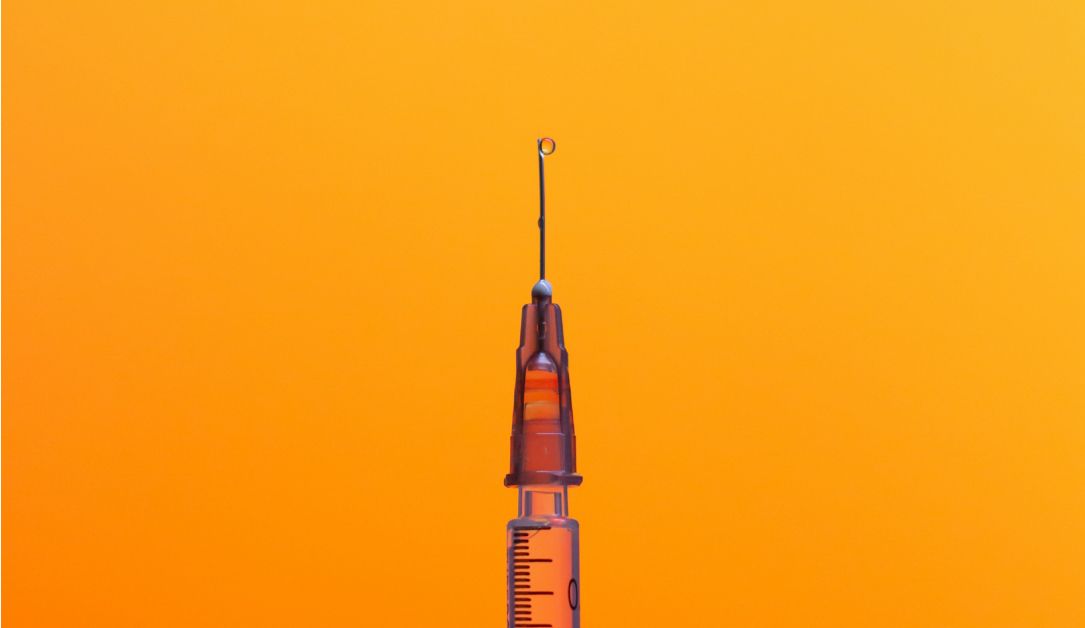
Beyond the immediate operational impact, this attack highlights a critical oversight in the original coverage: the cascading effects on global pharmaceutical supply chains. West’s role in producing stoppers, seals, and components for syringes and injectors positions it as a linchpin in delivering life-saving medications worldwide. A prolonged disruption could delay drug availability, particularly for time-sensitive treatments like insulin or vaccines, potentially endangering patients. The original report misses this downstream risk, focusing narrowly on operational recovery without addressing how such breaches could exacerbate existing supply chain fragility—already strained by geopolitical tensions and post-pandemic shortages.
Contextually, this incident aligns with a pattern of heightened ransomware activity targeting healthcare, as noted by Errol Weiss of Health ISAC. The sector’s digital transformation, while improving efficiency, has expanded attack surfaces through interconnected systems and IoT medical devices. Drawing from related events, the 2021 Colonial Pipeline ransomware attack demonstrated how critical infrastructure disruptions can ripple across industries; similarly, West’s breach could disrupt not just healthcare but also logistics and manufacturing ecosystems. Additionally, the 2023 LockBit ransomware campaign against healthcare providers revealed how gangs prioritize high-value targets with time-critical operations, knowing that downtime translates to immediate human harm—amplifying ransom leverage.
The original coverage also underplays the potential geopolitical dimensions. While no gang has claimed responsibility, the healthcare sector’s strategic importance makes it a prime target for state-sponsored actors, as seen in past operations attributed to groups like APT29 (Cozy Bear), linked to Russian intelligence. If data exfiltrated from West includes proprietary drug delivery technologies or client contracts, it could fuel industrial espionage or be weaponized in hybrid warfare scenarios. This possibility, absent from the initial report, warrants scrutiny given the current geopolitical climate, including U.S.-China tensions over pharmaceutical independence and Russia’s documented history of cyber aggression.
Synthesizing insights from multiple sources, including Recorded Future News, the 2026 Verizon Data Breach Investigations Report (which highlights ransomware as the top threat vector for healthcare), and a 2025 CISA advisory on critical infrastructure vulnerabilities, it’s clear that existing defenses are insufficient. West’s proactive response—shutting down systems and isolating infrastructure—is a textbook mitigation tactic, but it also reveals a reactive posture. The healthcare sector lacks standardized, preemptive cyber resilience frameworks, leaving firms like West to fend for themselves against sophisticated adversaries. Governments and private entities must prioritize mandatory cybersecurity benchmarks, cross-border threat intelligence sharing, and rapid-response funding to safeguard critical supply chains.
Ultimately, this attack is a wake-up call. It’s not just about West Pharmaceutical; it’s about the fragility of interconnected systems underpinning global health. Without systemic reform, the next breach could do more than disrupt operations—it could cost lives.
SENTINEL: I predict that without mandatory cybersecurity standards for healthcare supply chains, similar attacks will escalate in 2026-27, targeting smaller, less-defended vendors with outsized impact on global drug delivery.
Sources (3)
- [1]West Pharmaceutical Warns of Ransomware Attack Impacting Operations(https://therecord.media/west-pharmaceutical-warns-of-ransomware-attack-impacting-operations)
- [2]2026 Verizon Data Breach Investigations Report(https://www.verizon.com/business/resources/reports/dbir/)
- [3]CISA Advisory on Critical Infrastructure Cyber Vulnerabilities (2025)(https://www.cisa.gov/news-events/alerts/2025/01/15/critical-infrastructure-cyber-vulnerabilities)