NASA Opens Recruitment for Integrated Yearlong Moon-Mars Analog Mission Beginning 2027
NASA recruitment for a 2027 yearlong analog merges HERA and CHAPEA habitats to generate integrated transit-plus-surface performance data for long-duration missions. The effort supplies longitudinal evidence on crew health and operations that shorter analogs could not capture. Findings will directly inform Artemis and Mars mission architecture decisions.
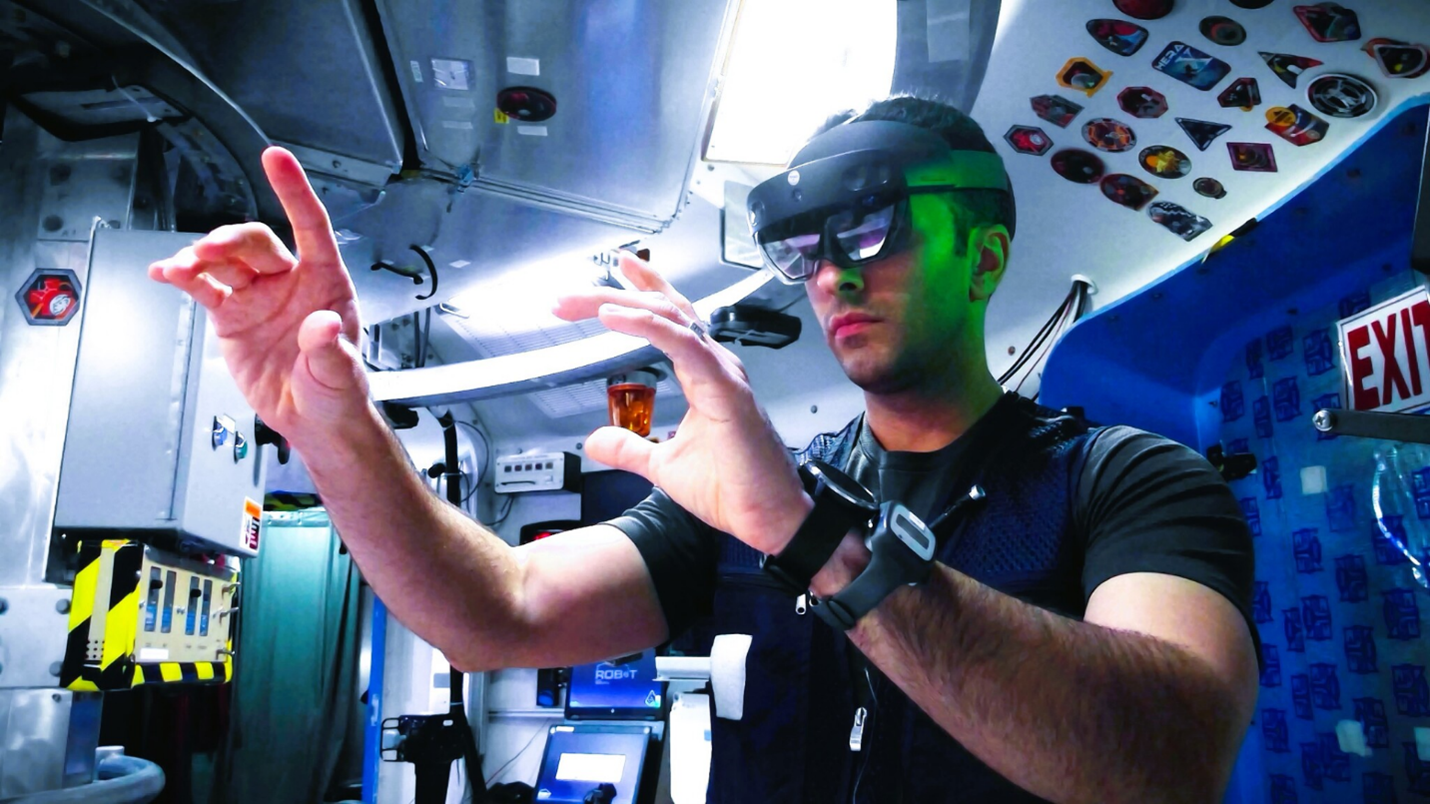
The Moon and Mars Exploration Analog integrates prior HERA and CHAPEA programs into one protocol, placing four-person crews in sequential confined environments that replicate months-long interplanetary transit followed by surface operations including rover traverses and resource-constrained EVAs. Researchers will collect continuous physiological, cognitive, and team-performance data while testing hardware and protocols under realistic mission constraints. This design directly addresses gaps in earlier analogs that examined either transit or surface phases in isolation.
Previous shorter-duration studies from NASA’s Human Research Program demonstrated measurable declines in sleep architecture, immune function, and decision-making after 45–120 days of isolation, yet lacked data on cumulative effects across full mission timelines. The new analog extends observation to 365 days and incorporates operational elements from Artemis planning documents, providing a bridge between ground analogs and the multi-year profiles expected for Mars transit. Cross-referencing with Russian and ESA isolation studies reveals consistent patterns of interpersonal tension emerging around day 200, underscoring the need for validated countermeasures.
Data will feed directly into HRP risk models used for Artemis III and subsequent Mars architecture trades. Open recruitment through the stated web portal begins immediately, with multi-day psychological and medical screening required. Successful cohorts will generate the first integrated dataset spanning both transit and surface phases under a single continuous mission timeline.
Future extensions could include variable communication delays and partial-gravity locomotion tasks once baseline 1g-habitat data are secured, tightening the evidentiary link between analog outcomes and actual deep-space vehicle requirements.
NASA HRP: Published results from the first 2027-2028 cohort will report at least two statistically significant performance decrements emerging after day 200 that require new countermeasures by 2030.
Sources (3)
- [1]Primary Source(https://www.nasa.gov/humans-in-space/nasa-seeks-volunteers-for-new-yearlong-simulated-moon-mars-mission/)
- [2]Supporting Source(https://www.nasa.gov/hrp/)
- [3]Supporting Source(https://www.nasa.gov/mission_pages/analog_research)