Open Sesame: Geopolitical Passwords, Narrative Alchemy, and Elite Control Over Liquidity Floods
April 2026 US-Iran ceasefire and Strait of Hormuz signals triggered massive equity rallies and sector-specific surges in software, quantum, private credit, and critical minerals – exposing how narrative triggers act as "passwords" unlocking elite-directed capital flows and highlighting systemic risks mainstream coverage ignores.
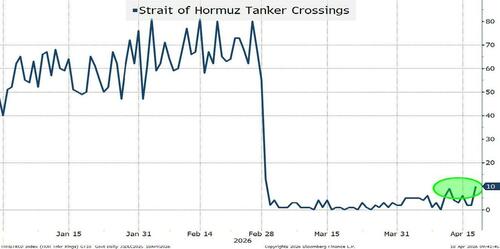
In April 2026, amid escalating US-Iran tensions and a fragile ceasefire, financial markets exhibited an almost ritualistic response to signals that the Strait of Hormuz remained "open" to commercial traffic. Multiple outlets reported immediate surges across US indices, with the Dow rising nearly 900-1,100 points in single sessions, the S&P 500 and Nasdaq climbing sharply, and oil prices plunging 9-12% as traders interpreted diplomatic snippets as the end of blockade risks. Al Jazeera noted politicians and industry welcoming the reopening after traffic throttling spiked global fuel prices, while NBC News, CBS, and Fox Business documented the direct link between Iran's announcement and the relief rally. CNBC highlighted the disconnect between optimistic headlines and physical maritime reality, with video showing ships still turning away despite declarations.
Yet the real story, visible beneath mainstream oil-price relief narratives, lies in the highly asymmetric gains across specific sectors. Software and disruption proxies rallied hard: the iShares Expanded Tech-Software Sector ETF (IGV) and ARKK posted double-digit weekly gains, Intel (INTC) surged over 30% in a compressed period, and the quantum computing ETF QTUM jumped 25%. Private credit and alternative asset managers also stabilized and rebounded, with vehicles like BIZD, GPZ, and OWL (a focal point in private credit discussions) rising 9-20% from recent lows despite earlier oversold conditions. Even rare earths, critical minerals, and uranium-related names showed resilience or gains tied to arsenal replenishment rather than slowdown fears.
Mainstream coverage from Bloomberg on hedge fund rebounds (Millennium, Point72 posting strong early April returns post-ceasefire) and Yahoo Finance commentary on tech buying amid Iran de-escalation frames this as classic risk-on rotation. The deeper pattern reveals something more heterodox: these "Open Sesame" moments function as coordination signals in a market where access to capital, private credit channels, and strategic supply chains (AI infrastructure, quantum, critical minerals) appears pre-positioned among interconnected alternative asset managers and insiders. Conflicting narratives on actual strait traffic and uranium enrichment deals expose how fragile the consensus is, yet markets rapidly priced in "the best possible deal" – Iran abandoning nuclear ambitions entirely.
This ties directly to larger systemic risks glossed over by conventional financial media. When a single phrase or headline can unlock billions into tech-software disruption, private credit vehicles, and defense-adjacent minerals, it suggests modern markets operate via elite-controlled narrative triggers rather than pure fundamentals. Private credit's earlier stabilization before the broad rally, and the outsized moves in names tied to long-term strategic themes, point to information asymmetries and concentrated positioning that amplify both upside magic and potential downside shocks should ceasefires collapse. The 2026 events thus serve as a case study in how geopolitical theater directs liquidity flows, reinforcing power structures in alternative finance and technology while masking underlying vulnerabilities in global energy chokepoints and supply chain dependencies.
LIMINAL: 'Open Sesame' style geopolitical cues trigger rapid capital floods into strategically pre-positioned sectors like tech disruption and private credit, revealing elite narrative control that papers over profound systemic fragilities in energy chokepoints and liquidity access.
Sources (4)
- [1]World reacts to Strait of Hormuz reopening amid US-Iran conflict(https://www.aljazeera.com/news/2026/4/17/world-reacts-to-the-opening-of-the-strait-of-hormuz-amid-us-iran-conflict)
- [2]US-Iran Ceasefire Spurs Hedge Fund Rebound With Strong Early April Returns(https://www.bloomberg.com/news/articles/2026-04-16/millennium-point72-and-jain-post-gains-after-us-iran-ceasefire)
- [3]Stocks surge and oil prices plummet after Strait of Hormuz opens(https://www.nbcnews.com/now/video/stocks-surge-and-oil-prices-plummet-after-strait-of-hormuz-opens-261562437786)
- [4]Iran Conflict and the Strait of Hormuz: Impacts on Oil, Gas, and Markets(https://www.congress.gov/crs-product/R45281)