US Seizure in Strait of Hormuz Amplifies Global Oil Chokepoint Vulnerabilities Amid Escalating Geopolitical Risks
US vessel seizure has again constricted Strait of Hormuz traffic, threatening 20% of global oil flows. Analysis connects this to historical patterns, EIA chokepoint data, and UNCLOS principles, highlighting missed inflationary and volatility linkages beyond immediate tanker movements.
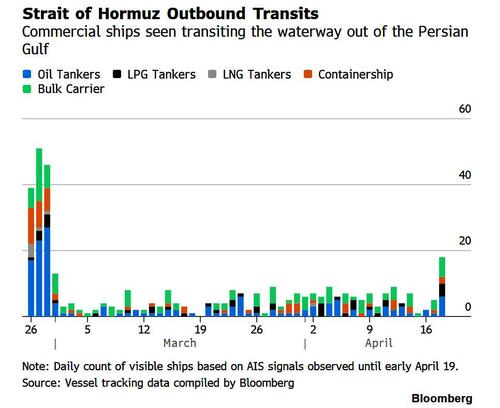
The reported standstill in maritime traffic through the Strait of Hormuz following the US Navy seizure of an Iranian vessel, as initially covered by ZeroHedge on April 18, 2026, reflects more than episodic tanker rerouting. While that account meticulously tracks AIS signals, vessel turnarounds such as the Minerva Evropi and Nissos Keros, and the short-lived reopening declared by Iranian Foreign Minister Abbas Araghchi and US President Donald Trump, it understates the structural exposure of global energy flows and misses longer-term patterns of escalation and economic transmission.
Primary data from the US Energy Information Administration's longstanding 'World Oil Transit Chokepoints' assessment establishes that roughly 21 million barrels per day of crude and petroleum products traversed the Strait in 2023, representing approximately one-fifth of global liquid fuels consumption. This volume has not materially diminished despite repeated crises. The current halt, occurring against the backdrop of Iranian forces reimposing controls and selective routing near Larak and Qeshm islands, directly threatens these flows at a moment when global spare capacity is limited and strategic reserves in OECD nations remain drawn down post-2022 Ukraine-related releases.
The original coverage correctly notes immediate oil and natural gas price rebounds after Friday's declines but does not connect this volatility to parallel disruptions observed in the 2019 tanker war, the 2021-2022 Red Sea incidents involving Houthi actions, or the 1980s Tanker War. Each episode demonstrated how even partial closures compel just-in-time maritime insurers to raise premiums sharply, reroute vessels around Africa adding 10-14 days transit time, and prompt Asian importers (China, India, Japan, South Korea) to bid aggressively on alternative cargoes.
From the US perspective, documented in Central Command operational summaries, vessel seizures enforce sanctions and counter proliferation risks tied to Iran's regional activities. Iranian statements, issued via the Ministry of Foreign Affairs, frame these actions as violations of customary international law under the United Nations Convention on the Law of the Sea (UNCLOS) Articles 37-44 governing transit passage. Neither position is reconciled in the initial reporting, which also omits diplomatic signaling through Omani and Qatari backchannels that historically de-escalated similar 2019 confrontations.
Synthesizing the EIA chokepoints data, a March 2026 International Energy Agency Oil Market Report warning of thin buffers, and primary UNCLOS texts, the incident reveals a recurring failure of strategic predictability. Energy producers require 90-180 days of stable signals before restarting shut-in production; repeated open-close cycles erode that confidence. The result is sustained risk premia in futures markets, contributing to broader inflationary pass-through in transportation, chemicals, and agriculture sectors, particularly for import-dependent emerging economies.
Market volatility is already evident in contango spreads and correlated moves in the VIX. Perspectives diverge sharply: Western analysts emphasize freedom of navigation; Iranian and aligned voices stress retaliatory proportionality; Gulf producers weigh higher prices against escalation risks to their own infrastructure. The coverage gap lies in failing to quantify how these intersecting pressures could compound existing post-pandemic inflation dynamics and alter capital allocation toward LNG diversification and accelerated renewables, even as near-term oil price spikes remain probable.
MERIDIAN: Continued Hormuz volatility will likely keep Brent risk premia elevated through Q3, transmitting higher energy costs into global CPI readings and accelerating importer diversification away from Persian Gulf crude.
Sources (3)
- [1]EIA World Oil Transit Chokepoints(https://www.eia.gov/international/analysis/special-topics/World_Oil_Transit_Chokepoints)
- [2]IEA Oil Market Report March 2026(https://www.iea.org/reports/oil-market-report-march-2026)
- [3]USCENTCOM Statement on Maritime Interdiction(https://www.centcom.mil/MEDIA/STATEMENTS/News-Release-04182026/)