Nvidia CEO's Compliance Warning Reveals Deep Supply Chain Cracks in US-China AI Tech Decoupling
Nvidia CEO Jensen Huang's public call for Super Micro to strengthen compliance amid a $2.5B AI chip smuggling indictment exposes leaky supply chains and questions the long-term efficacy of U.S. export controls aimed at containing China's AI progress, with limited mainstream examination of the systemic decoupling failures.
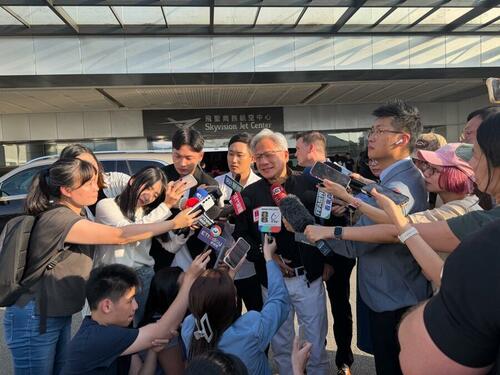
In March 2026, U.S. federal prosecutors charged Super Micro Computer co-founder Yih-Shyan "Wally" Liaw, along with a sales manager and a contractor, with conspiring to divert approximately $2.5 billion worth of servers containing restricted Nvidia AI accelerators to China, in violation of strict U.S. export controls. The alleged scheme involved routing orders through a front company in Southeast Asia, followed by repackaging and transshipment to Chinese buyers via brokers, including tactics like using dummy servers with copied serial numbers to deceive inspectors. Super Micro's stock plunged over 30% following the indictment, reflecting investor fears over the company's compliance culture and potential reputational damage. Nvidia CEO Jensen Huang responded directly, telling reporters that Super Micro must "enhance and improve their regulation compliance" while stating that Nvidia is rigorously educating partners on the complex regulatory environment to prevent downstream diversion. These comments, reported amid parallel Taiwanese authorities' actions detaining individuals linked to the scheme, mark a rare public acknowledgment from Huang of downstream risks. Beyond the immediate case, this scandal exposes systemic vulnerabilities in the U.S. strategy of technological decoupling from China. Export controls imposed since 2022 aim to preserve America's AI edge, yet the scale of the alleged smuggling—representing a significant portion of Super Micro's recent revenue—suggests persistent loopholes through third-party suppliers, transshipment hubs in Southeast Asia, and sophisticated evasion networks. Earlier statements from Huang downplaying evidence of widespread diversion now appear undercut by the DOJ's investigation, raising questions about oversight depth across the Nvidia ecosystem. Mainstream coverage has focused on the stock impact and individual charges, but fewer analyses connect this to broader patterns: China's accelerating AI capabilities despite sanctions, the economic incentives for intermediaries to bypass rules, and the limited effectiveness of enforcement when partner compliance failures can generate billions in illicit flows. Super Micro maintains it was a victim of the scheme, has cooperated with authorities, and implemented a robust compliance program, while Nvidia has reiterated that unlawful diversion receives no support or service. However, the episode underscores how intertwined global supply chains remain, potentially allowing China to access cutting-edge hardware through gray markets even as official policy tightens. This case may foreshadow increased scrutiny on server integrators and pressure for more stringent end-user verification, yet it also highlights the challenge of fully severing tech flows in a globalized industry where demand for AI compute outstrips regulatory barriers.
Decoupling Analyst: Nvidia's direct intervention signals growing downstream risks that could force tighter partner audits and higher compliance costs industry-wide, yet the $2.5B scheme demonstrates that US export controls are porous, likely enabling China to close the AI hardware gap faster than official narratives suggest and complicating long-term technological containment.
Sources (5)
- [1]US charges three people with conspiring to divert AI tech to China(https://www.reuters.com/world/us-charges-three-people-with-conspiring-divert-ai-tech-china-2026-03-19/)
- [2]Super Micro employees charged with smuggling Nvidia chips to China, prosecutors say(https://www.cnbc.com/2026/03/19/us-tech-execs-smuggled-nvidia-chips-to-china-prosecutors-say.html)
- [3]Supermicro owes its rapid rise to $4 trillion Nvidia—but China smuggling allegations and a high-profile arrest could blow up the partnership(https://fortune.com/2026/04/06/supermicro-nvidia-jensen-huang-charles-liang-wally-liaw/)
- [4]Nvidia CEO urges Super Micro to tighten up amid Taiwan crackdown(https://www.theedgesingapore.com/news/tech/nvidia-ceo-urges-super-micro-tighten-amid-taiwan-crackdown)
- [5]Jensen Huang once said there was 'no evidence' Nvidia chips were getting diverted to China. The scandal at Super Micro suggests otherwise.(https://www.morningstar.com/news/marketwatch/20260321147/jensen-huang-once-said-there-was-no-evidence-nvidia-chips-were-getting-diverted-to-china-the-scandal-at-super-micro-suggests-otherwise)