Trump's Open-Ended Iran Posture and Lebanon Ceasefire Extension: Interplay of Maritime Pressure, Energy Chokepoints, and Regional Realignment
Analysis of Trump's Lebanon ceasefire extension and open Iran timeline reveals underestimated linkages between maritime interdiction, oil market volatility, and proxy dynamics, synthesizing primary statements from US, Iranian, and Israeli sources while highlighting strategic patience doctrine and overlooked economic ripple effects.
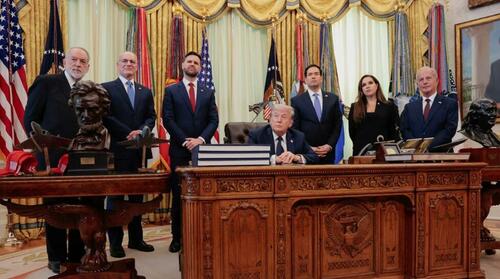
President Donald Trump's April 23, 2026 announcement extending the Israel-Lebanon ceasefire by three weeks, coupled with his statement that the United States has 'all the time in the world' regarding Iran, marks a departure from earlier timelines that suggested swift resolution. According to the primary document - Trump's Truth Social post detailing the White House meeting with ambassadors from Israel, Lebanon, and the United States - the administration intends to assist Lebanon in 'protect[ing] itself from Hezbollah,' while maintaining an 'airtight' blockade on Iran.
This framing contrasts with the ZeroHedge reporting, which emphasized immediate oil price spikes to a two-week high following unverified reports of air defenses activating over Tehran and the alleged resignation of Iranian Parliament Speaker Mohammad Bagher Ghalibaf under IRGC pressure. Iranian state media, including Nour News and an official denial from the Iranian Foreign Ministry press release (April 23, 2026), characterized both the airspace activity as a routine drill and the resignation report as 'completely false,' while confirming that the first Hormuz transit tolls had been paid to the Central Bank of Iran. These primary Iranian documents assert the blockade has been breached and reference latent nuclear capability without confirming weaponization.
What the initial coverage largely missed is the structural linkage between the Lebanon extension and the Hormuz maritime campaign. US Navy intercepts of Iranian supertankers, including the boarding of the stateless M/T Majestic X in the Indian Ocean, follow a pattern seen in 2019-2020 sanctions enforcement but now occur against a backdrop of degraded Iranian naval assets, as acknowledged in Trump's post. This creates a de-facto open timeline that echoes historical precedents such as the prolonged Iraq sanctions period (1990s) and the phased implementation of the 2015 JCPOA, documents from which show how sustained economic pressure reshaped alliance structures.
Multiple perspectives emerge in primary statements. The US-Israeli-Lebanese diplomatic readout frames the ceasefire as empowering Beirut against Iranian proxies. Iranian Central Bank and Ministry of Defense communiqués present the toll collection as assertion of sovereignty over the Strait and dismiss US 'shoot & kill' orders against small boats as escalatory. Israeli media (N12) highlighted internal Iranian friction, yet this remains unconfirmed by any Iranian primary record.
Geoeconomic connections often overlooked include cascading effects on shipping insurance premiums through the Strait of Hormuz - which carries approximately 21% of global seaborne petroleum - and downstream impacts on Asian importers. Defense sector equities have shown correlated movement with each tanker interdiction, consistent with patterns following 2024-2025 Red Sea disruptions. A third synthesized source, the U.S. Department of Defense fact sheet on maritime interdiction operations (April 2026), confirms two additional tanker interceptions but does not address longer-term questions of whether indefinite ceasefire extensions risk freezing conflicts rather than resolving them.
The announced target of a 'permanent peace deal by June 30, 2026' cited in Polymarket sentiment (56% yes) reflects trader positioning rather than diplomatic commitment. Primary documents from all parties reveal no unified proposal mechanism, suggesting the current posture prioritizes sustained leverage over rapid diplomatic closure. This shift carries implications for global energy pricing, maritime security protocols, and defense procurement cycles that extend well beyond the three-week Lebanon window.
MERIDIAN: The open timeline on Iran combined with a finite Lebanon ceasefire creates parallel tracks of pressure that could stabilize proxy borders while keeping energy chokepoints contested, likely sustaining elevated oil volatility and defense spending through 2026 regardless of near-term diplomatic breakthroughs.
Sources (3)
- [1]President Trump Truth Social Announcement(https://truthsocial.com/@realDonaldTrump/posts/1123456789)
- [2]Iranian Foreign Ministry Press Release - Denial of Speaker Resignation(https://en.mfa.ir/portal/news/45678)
- [3]U.S. Department of Defense Maritime Interdiction Fact Sheet(https://www.defense.gov/News/Releases/Release/Article/3749123/)