France Mobilizes Troops for Protests Amid Admissions of Security Failures After October Riots
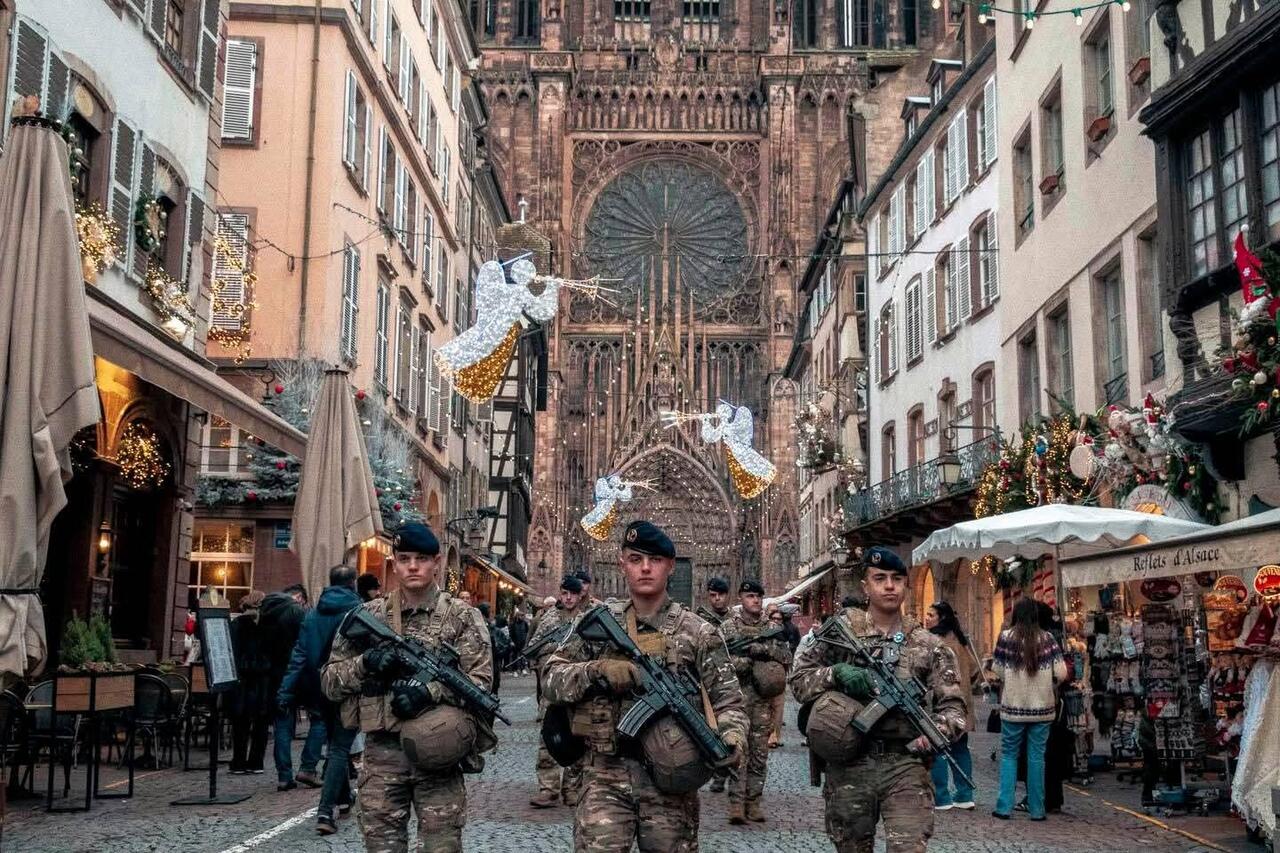
French authorities, admitting failures in containing October 17 riots, are deploying Sentinelle troops to bolster security for October 24 protests, signaling heightened militarization of responses to domestic unrest with potential regional ripple effects.
Following violent unrest on October 17, 2026, that saw protests over living costs and education spiral into riots across Paris, Marseille, Lyon, Limoges, and other cities, the French government has announced plans for a 'massive' security deployment ahead of further demonstrations scheduled for October 24. Interior Minister Laurent Nuñez told parliament that soldiers from Operation Sentinelle—the longstanding anti-terrorism deployment of about 10,000 troops—will handle static guard duties to free police and gendarmes for crowd control and mobile interventions. Prime Minister Sébastien Lecornu emphasized the scale of the response, acknowledging intelligence lapses, overly static police positioning, and the decision not to cancel police leave as contributing to the loss of control in several locations. Nuñez publicly regretted the events and accepted responsibility, though President Macron rejected his resignation offer.
The weekend violence resulted in over 2,000–2,500 arrests, nearly 1,000 injured security personnel, and widespread damage including the partial destruction of Limoges' historic town hall by arson. Authorities blamed ultra-left groups and opportunistic looters, while critics pointed to underlying grievances over prices and public services. Partial curfews have been imposed in affected areas, and parliament is launching an inquiry. This marks a notable escalation in the use of military assets for domestic unrest, echoing their limited deployment during the 2019 Yellow Vests protests but on a broader scale amid pre-election tensions ahead of 2027.
The episode highlights the militarization of responses to social conflict in Europe, where economic pressures and institutional distrust fuel rapid escalations. Connections to prior waves of protest—from student mobilizations to gilets jaunes—suggest a pattern of fragmented grievances converging into larger confrontations, with implications for neighboring states monitoring similar dynamics in a volatile geopolitical environment.
[Geopolitical Analyst]: The French precedent of embedding military units in urban policing could normalize similar measures elsewhere in Europe, raising risks of escalated confrontations and strained civil-military relations ahead of key elections.
Sources (5)
- [1]France to deploy troops, admits to failures over weekend unrest(https://www.reuters.com/world/targeted-curfews-helped-keep-peace-overnight-france-pm-says-2026-10-20/)
- [2]Buildings set ablaze and more than 1,800 arrested as police clash with protesters across France(https://www.theguardian.com/world/2026/oct/17/protests-france-high-prices-social-security-gilets-jaunes)
- [3]L’armée déployée le 24 octobre : des précédents rarissimes en France(https://www.france24.com/fr/france/20261021-armee-deployee-samedi-24-octobre-precedents-rarissimes-france)
- [4]France vows 'massive' security operation involving military forces for expected weekend protests(https://www.euronews.com/2026/10/20/france-vows-massive-security-operation-involving-military-forces-for-expected-weekend-prot)
- [5]Mass protests in France spiral into worst riots in years(https://www.reuters.com/world/students-trade-unions-yellow-vests-set-protest-across-france-2026-10-17/)